
Why go
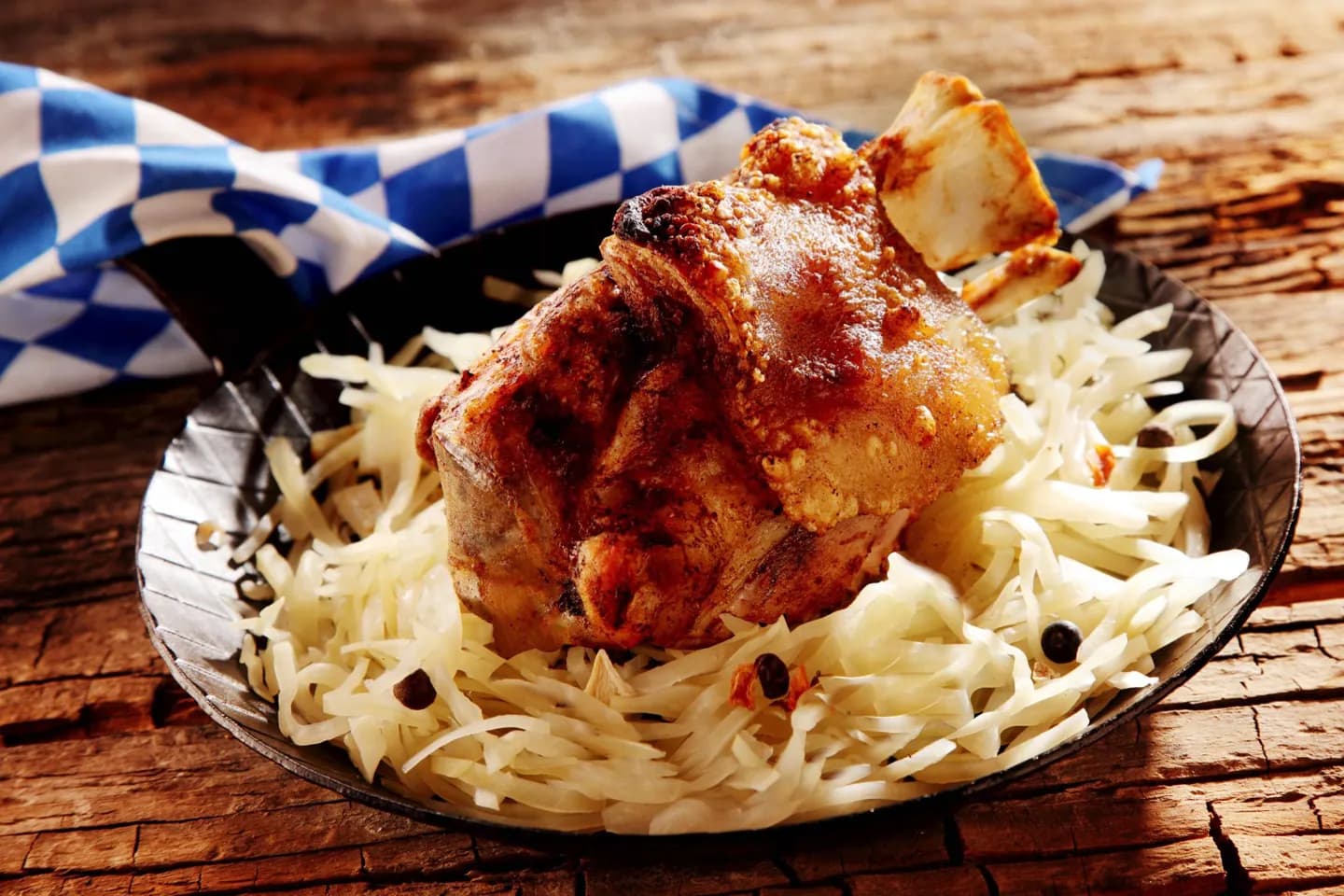
Food names help separate the everyday and festive sides of Bavaria. Brotzeit describes a savory break, while Knödel and flour-based dishes reflect older rural cooking. In Munich, Weißwurst offers a specific local reference; across the region, neighboring Austrian and Czech influences also matter.
The full story
Bavarian cuisine grew from rural cooking in which flour, milk, fat and dumplings were important. Meat was historically less of an everyday food for many households than modern menus might suggest. The aristocratic kitchens of the Wittelsbach family developed more elaborate dishes, and urban households later adopted some of them. That history helps explain why a Bavarian menu can move from a modest snack to a rich roast. Brotzeit is a savory bread-based break rather than a formal main meal. Knödel, or dumplings, can accompany meat or feature in soups. Munich’s Weißwurst is a pale sausage commonly associated with a pretzel and sweet mustard. Bavarian cooking also has connections with Austria and Czech lands through geography, culture and history. If a menu is presented as broadly Bavarian, check the actual dish name: a Munich specialty, a rural dumpling and a more elaborate court-influenced recipe offer different experiences.