
Why go
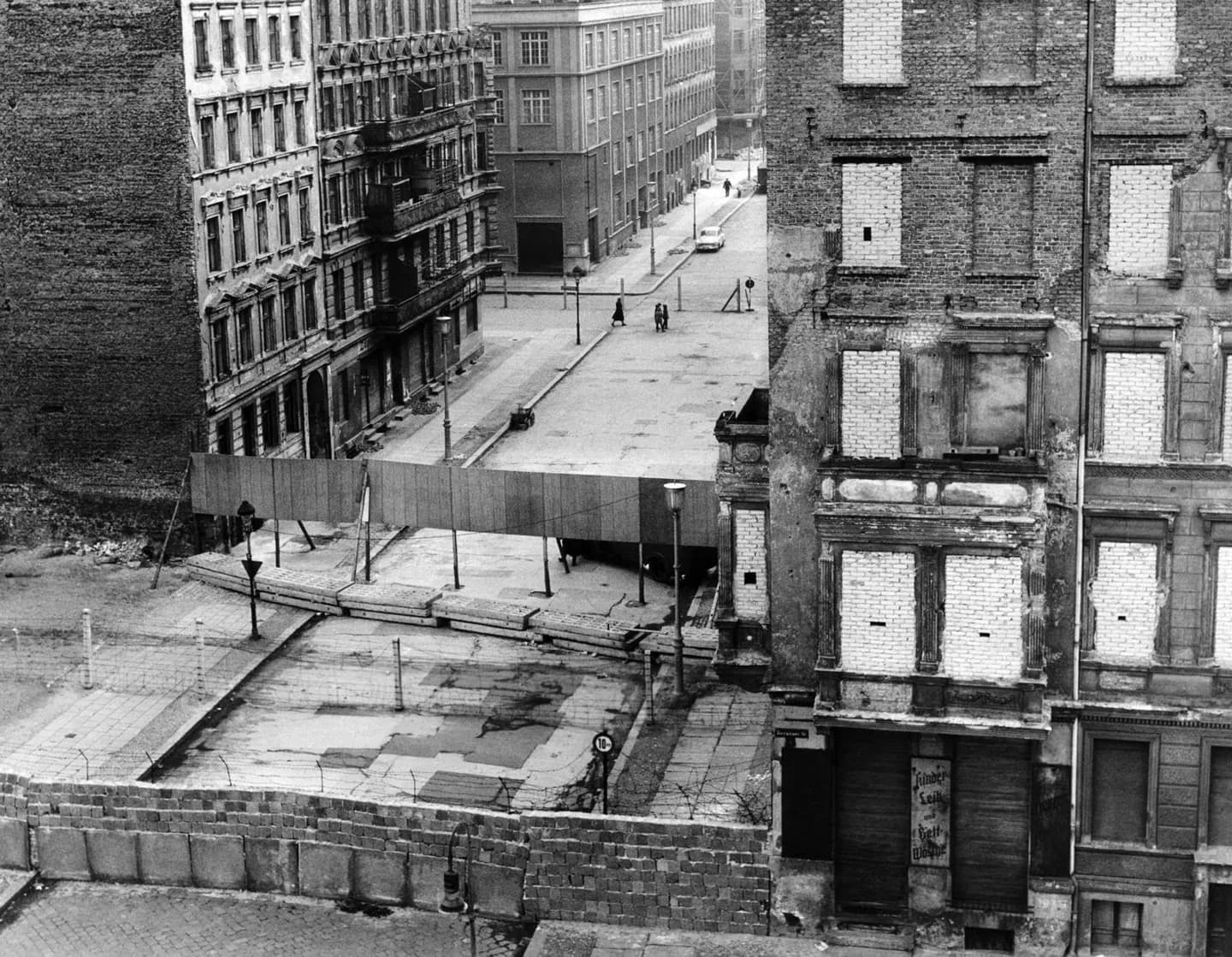
Use this context at Berlin Wall sites and former border areas. West Germany's federal democracy and East Germany's one-party system left different traces, while the wall reveals the human cost of restricting movement. The story ends with protests and an opened border, not simply a change of government.
The full story
The western occupation zones formed the Federal Republic of Germany in 1949, with Bonn as its provisional capital. The Soviet zone became the German Democratic Republic, or GDR, with East Berlin as its capital. West Germany adopted a federal parliamentary system and a social market economy. Reconstruction aid and industrial growth helped fuel its postwar economic expansion. It joined NATO and was a founding member of the European Economic Community. The GDR was governed by the Socialist Unity Party within the Soviet bloc. The Stasi secret police monitored much of society, while the economy was centrally planned. Many people sought to leave for the West. The GDR built the Berlin Wall in 1961 to stop that movement, dividing streets, families, and daily routines. Willy Brandt's Ostpolitik later eased some tensions between the two states. In 1989, routes through Hungary and mass demonstrations inside the GDR increased pressure on its leadership. The border opened on 9 November, and the wall fell. The two states reunited the following year.