
Why go
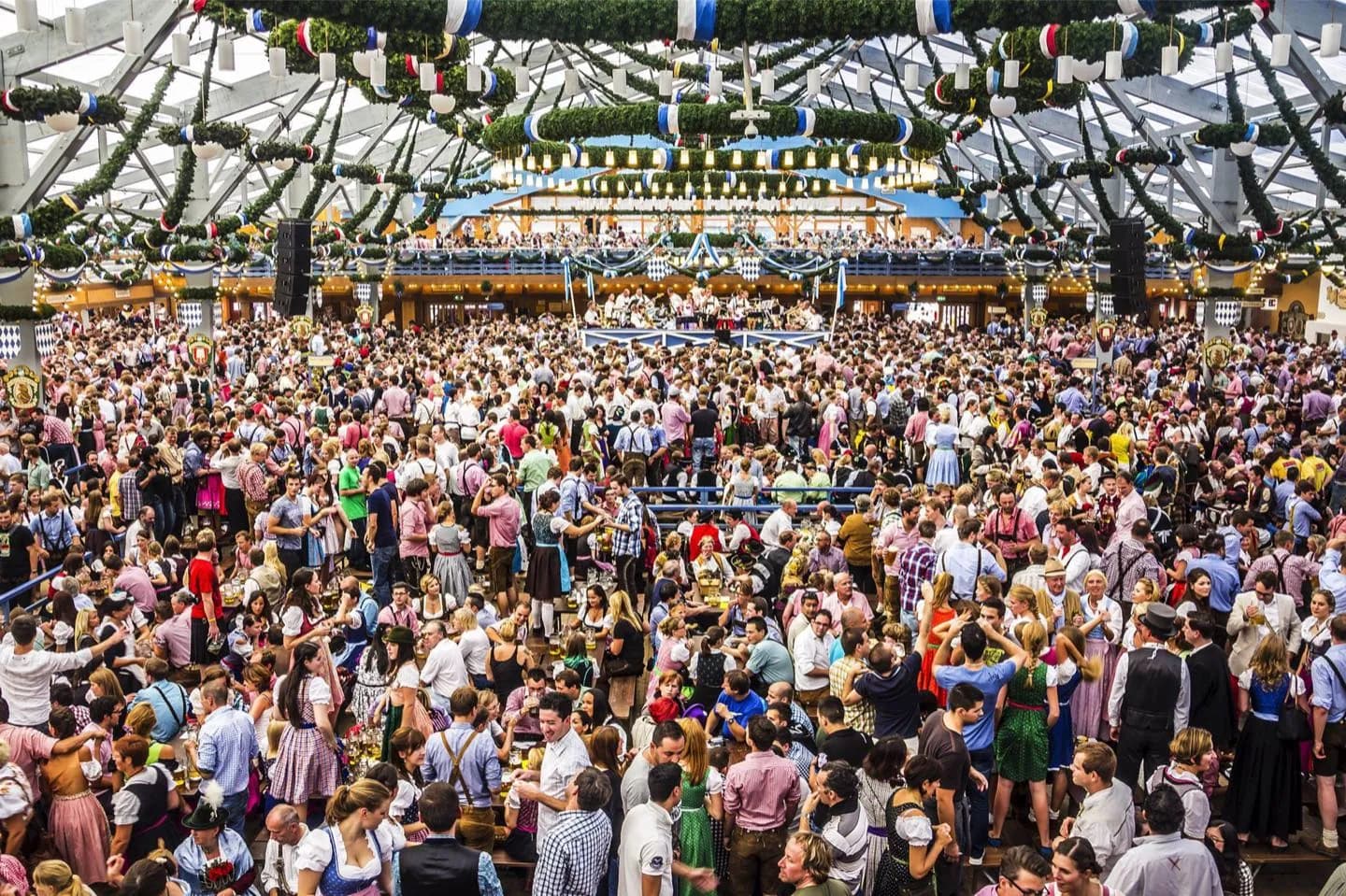
Knowing the occasion helps you make sense of the scene. Oktoberfest belongs to a festival tradition; Advent wreaths, Christmas trees and Stollen mark the weeks before Christmas. German Unity Day on 3 October recalls the country's reunification in 1990. State-level holidays add regional variation, so the calendar is worth checking for the place you plan to visit.
The full story
Germany's cultural traditions do not follow one national calendar in every detail. Public holidays vary by federal state, while German Unity Day is observed nationwide on 3 October. It marks reunification in 1990 and gives a modern historical meaning to a date visitors may see on local calendars. The festive year has other layers. Oktoberfest is a familiar name, but it should be understood as a particular festival tradition rather than a shorthand for all German culture. In the weeks before Christmas, Advent wreaths, Christmas trees, pageants and Stollen appear in homes and public settings. These customs make more sense when seen as a season of preparation rather than one day's celebration. Germany's long association with writers and thinkers is another part of the cultural picture, visible in literary and philosophical heritage alongside popular festivities. Look for the particular occasion and region instead of expecting one set of customs everywhere.
Useful to know
- Check the holiday calendar for the federal state you are visiting; observances differ across states.
- If traveling around 3 October, account for German Unity Day when planning visits.