
Why go
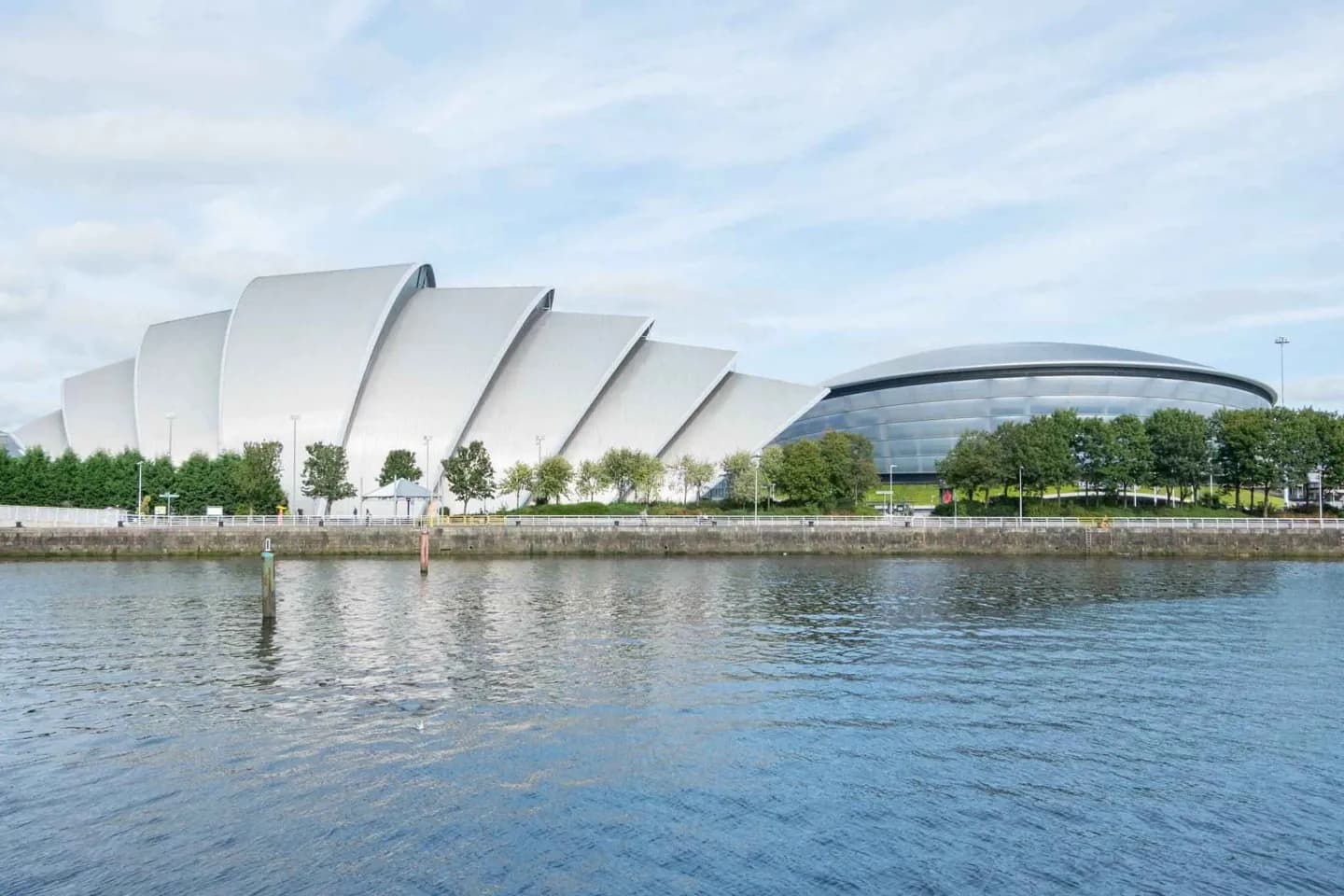
Move between cleaned Victorian stonework in the centre and newer Clyde-side buildings to see how renewal took different forms. The city also gained attention through major cultural events. The most revealing visit compares retained architecture with new uses rather than treating regeneration as a single style.
The full story
From the 1980s, Glasgow put effort into restoring soot-darkened stone buildings and reusing older tenements rather than clearing all of them. City-centre business districts grew, while cultural campaigns and events helped change how the city presented itself. The 1988 Garden Festival, 1990 European City of Culture year and later architecture programme became markers of that turn. Along the Clyde, former industrial land acquired museums, performance venues, offices and housing. Those changes are visible but uneven: a new waterfront does not erase the labour and trade that made the river important, nor the effects of industrial decline on communities. Start with a Victorian civic street, then visit a Clyde-side cultural building such as the Riverside Museum or Glasgow Science Centre. The contrast shows two modes of renewal: caring for inherited fabric and building new public identities on altered industrial ground.