
Why go
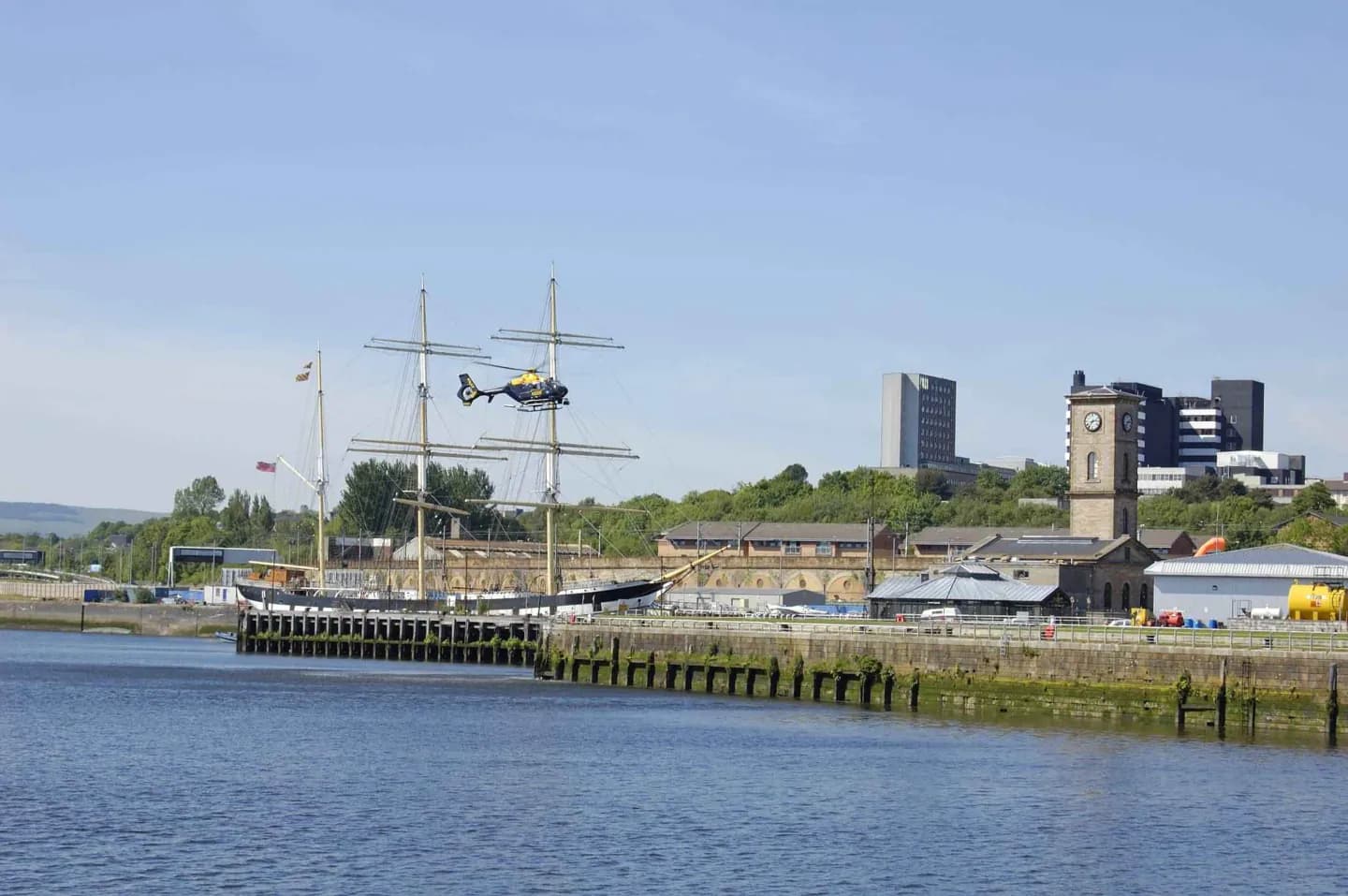
Follow the river or visit a transport museum to understand why Glasgow’s nineteenth-century growth was so rapid. The city built ships and machinery, but also new civic institutions and dense housing for a growing population. Look for both production and its social footprint.
The full story
The Monkland Canal and its connection to the Forth & Clyde Canal helped bring coal and iron toward Glasgow. Engineers also deepened and reshaped the Clyde, making shipbuilding possible on stretches that had once been difficult for large vessels. Firms led by people such as Robert Napier and John Elder expanded marine engineering, while factories and workshops made locomotives, textiles and many other goods. The city’s population rose sharply, bringing pressure for housing, policing and public services. Glasgow’s Victorian civic buildings project confidence, yet the industrial story also includes hard labour and crowded living conditions. On a visit, compare a monumental space such as George Square with a Clyde-side industrial landscape or Riverside Museum. The difference shows how manufacturing wealth was presented publicly and how the physical work of moving, building and powering things shaped the city beneath that display.