
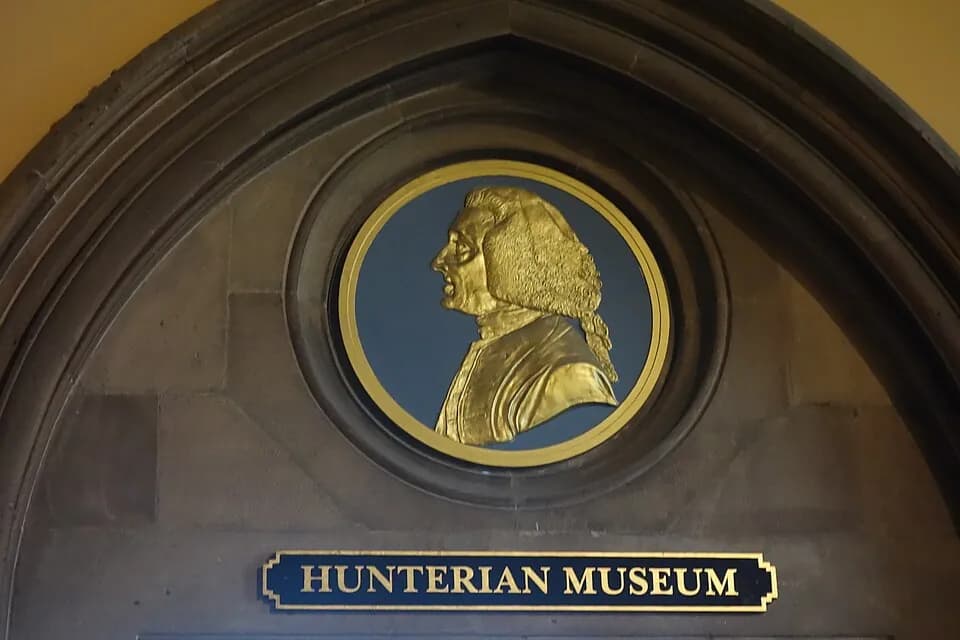
Why go
The collections reflect William Hunter’s wide interests and the university’s later collecting. At the museum, the Antonine Wall material gives Roman Scotland a strong local anchor; at the art gallery, works linked to Whistler and Mackintosh shift the emphasis to visual culture. These are separate venues, so choose one or allow time to see both.
What to look for
- Antonine Wall material in the museum.
- Art linked to James McNeill Whistler and Charles Rennie Mackintosh.
The full story
The Hunterian began with the bequest of William Hunter, an eighteenth-century physician and collector whose interests ranged well beyond medicine. That range still shapes the visit. Archaeology, natural history and scientific objects sit within the museum’s broad account of knowledge, while the art gallery gives sustained attention to artists including Whistler and Mackintosh. The Antonine Wall material is especially useful in Glasgow: it ties Roman frontier history to a place much closer than visitors may expect. The two main venues are part of the University of Glasgow rather than one continuous gallery circuit, so decide which themes matter most before arriving. Seen together, they show how a private collection became a public university resource with both local and international reach.
Useful to know
- Check which Hunterian venue holds the collection you want to see.
- Allow time to move between the museum and art gallery on the university campus.
Your next visit
Estimated · Declared scenario and planning estimates; no live opening, weather, queue or booking service.
Outdoor visit · 30–45 min
World planning estimate; admission, opening, visit duration and access need checking.