
Why go
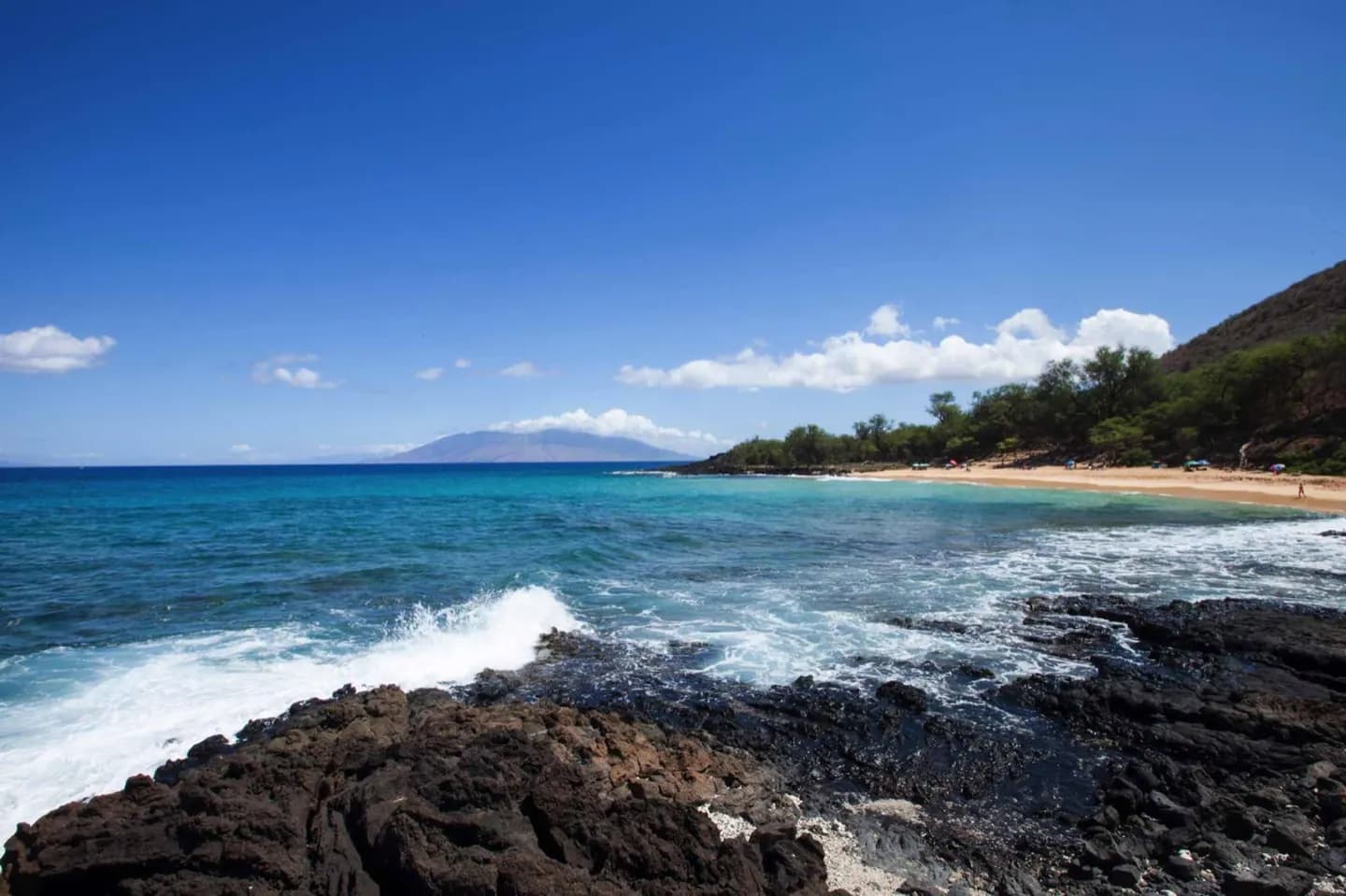
Haleakalā dominates East Maui, while older West Maui mountains have been deeply cut by streams such as ʻĪao. Rainforest on the windward side and drier leeward districts create different visitor conditions. Use this geography to choose realistic routes and clothing, especially when moving from warm coast to cold summit.
The full story
East Maui’s Haleakalā is a broad volcanic mountain whose summit looks stark beside the wetter valleys below. Older West Maui mountains have been cut by streams into steep green forms, including ʻĪao Valley. Between them lies a lower isthmus that channels much of the island’s settlement and road movement. Windward exposure feeds rain and forest toward Hāna, while other coasts are markedly drier. Visitors cross these differences in short distances, but roads may be slow and weather highly local. A mountain morning needs clothing and timing unlike a beach afternoon. Understanding the landform helps explain why one island can contain such contrasting travel days. The island’s landforms are also a reminder that apparent proximity does not guarantee an easy road connection.