
Why go
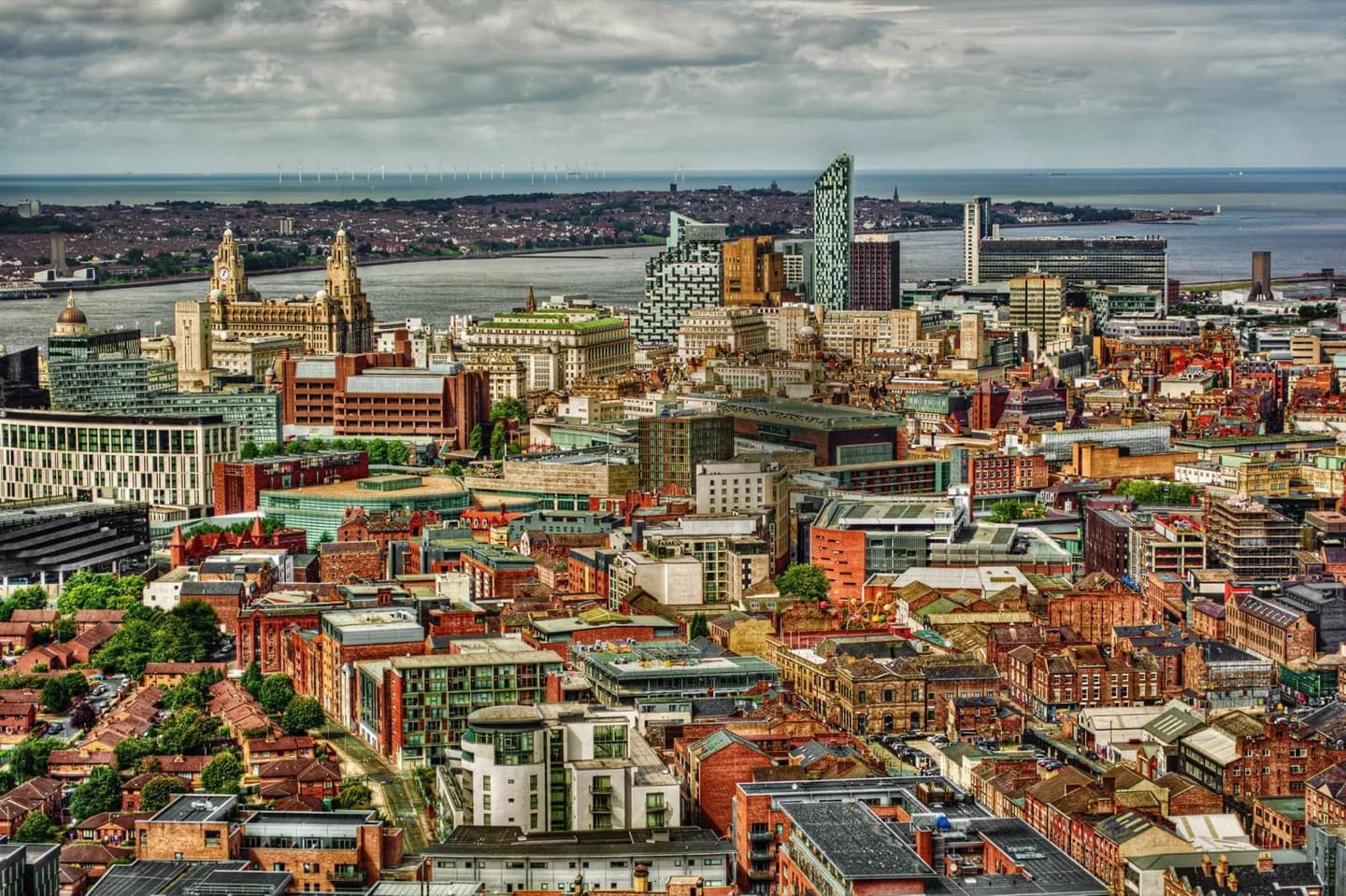
The city’s history reads differently once you connect the Beatles’ era to postwar rebuilding and the later loss of dock work. St George’s Hall and the waterfront show surviving older Liverpool; suburban estates, modernised docks and redeveloped land show how people adapted to upheaval.
The full story
After the Housing Act of 1919, Liverpool expanded council housing and moved many families from the inner city to new estates. The Depression then brought severe unemployment. During the Second World War, air raids caused heavy loss of life and damage across Merseyside, followed by rebuilding that altered the centre and residential districts. New estates and major dock works, including Seaforth, belonged to this postwar phase. Liverpool also became home to more people arriving from Commonwealth countries, joining communities with older roots in the port. In the 1960s, Merseybeat and the Beatles gave the city a new international association. From the 1970s, containerisation and industrial change reduced work in traditional docks and manufacturing, leaving further economic pressure. Later regeneration reused parts of the waterfront and centre. Those layers help explain why a short walk can pass ornate nineteenth-century offices, postwar interventions and repurposed dock buildings without leaving central Liverpool.