
Why go
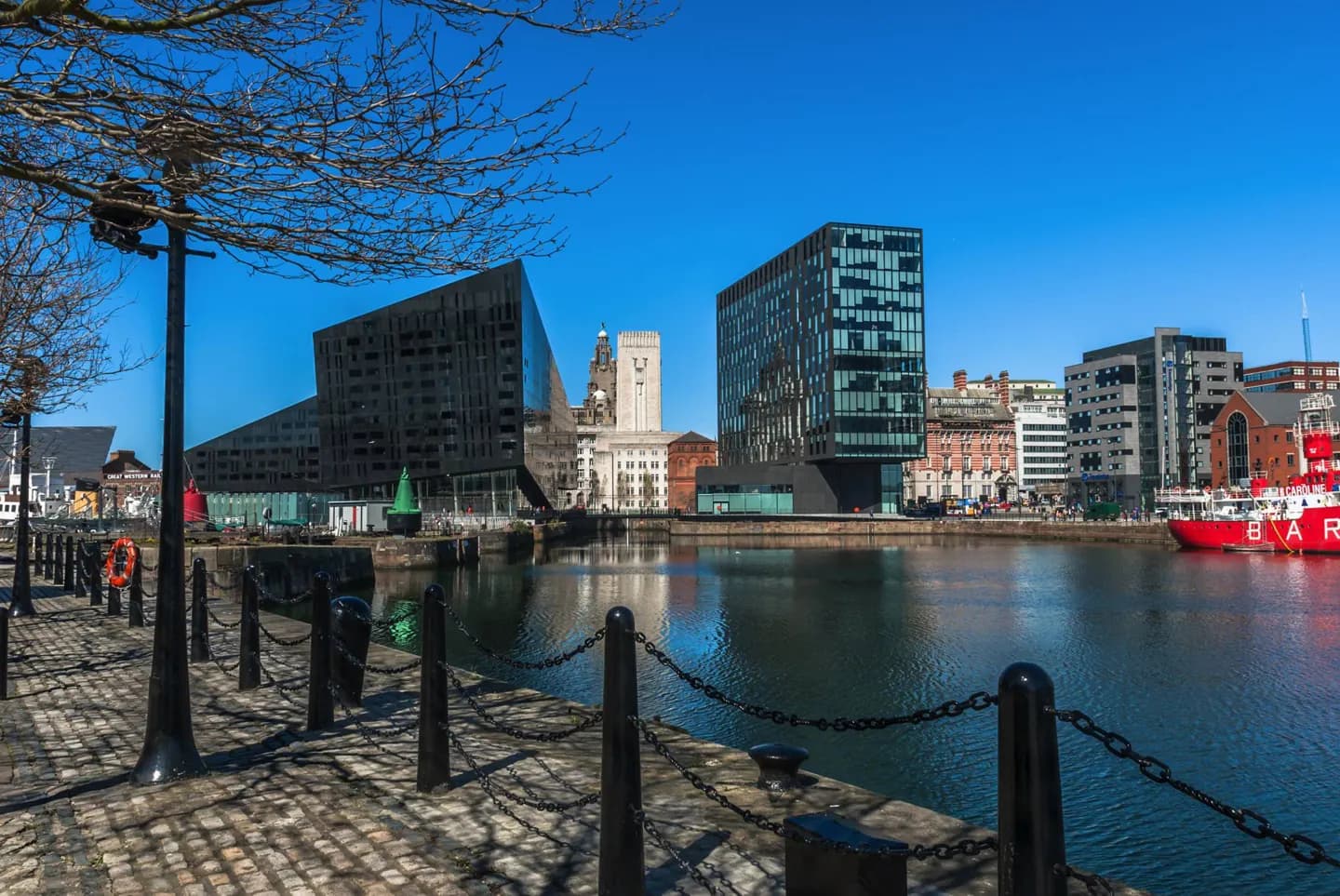
Walk from the older commercial streets towards Liverpool ONE, Mann Island and King’s Dock to see how large projects changed the centre’s connections and waterfront use. The contrast is more revealing than treating either the restored heritage or new construction as the whole story.
The full story
In the early 2000s, Liverpool’s centre underwent another substantial round of change. The Paradise Street redevelopment became Liverpool ONE, which opened in 2008 and remade a large part of the shopping district. The same year Liverpool held the European Capital of Culture title, bringing a programme of art and public events to the city. One memorable commission, the giant mechanical spider La Princesse, travelled through streets during the celebrations. Later projects changed parts of the commercial district, King’s Dock and Mann Island, while Ropewalks and other neighbourhoods also saw new development. These transformations sit beside the older docks and mercantile buildings rather than replacing their history. They also sparked debate over the scale and effect of waterfront development. To see the relationship on the ground, compare Royal Albert Dock’s nineteenth-century warehouse enclosure with the newer open spaces and buildings around Mann Island and King’s Dock, then follow the transition inland towards Liverpool ONE.