
Why go
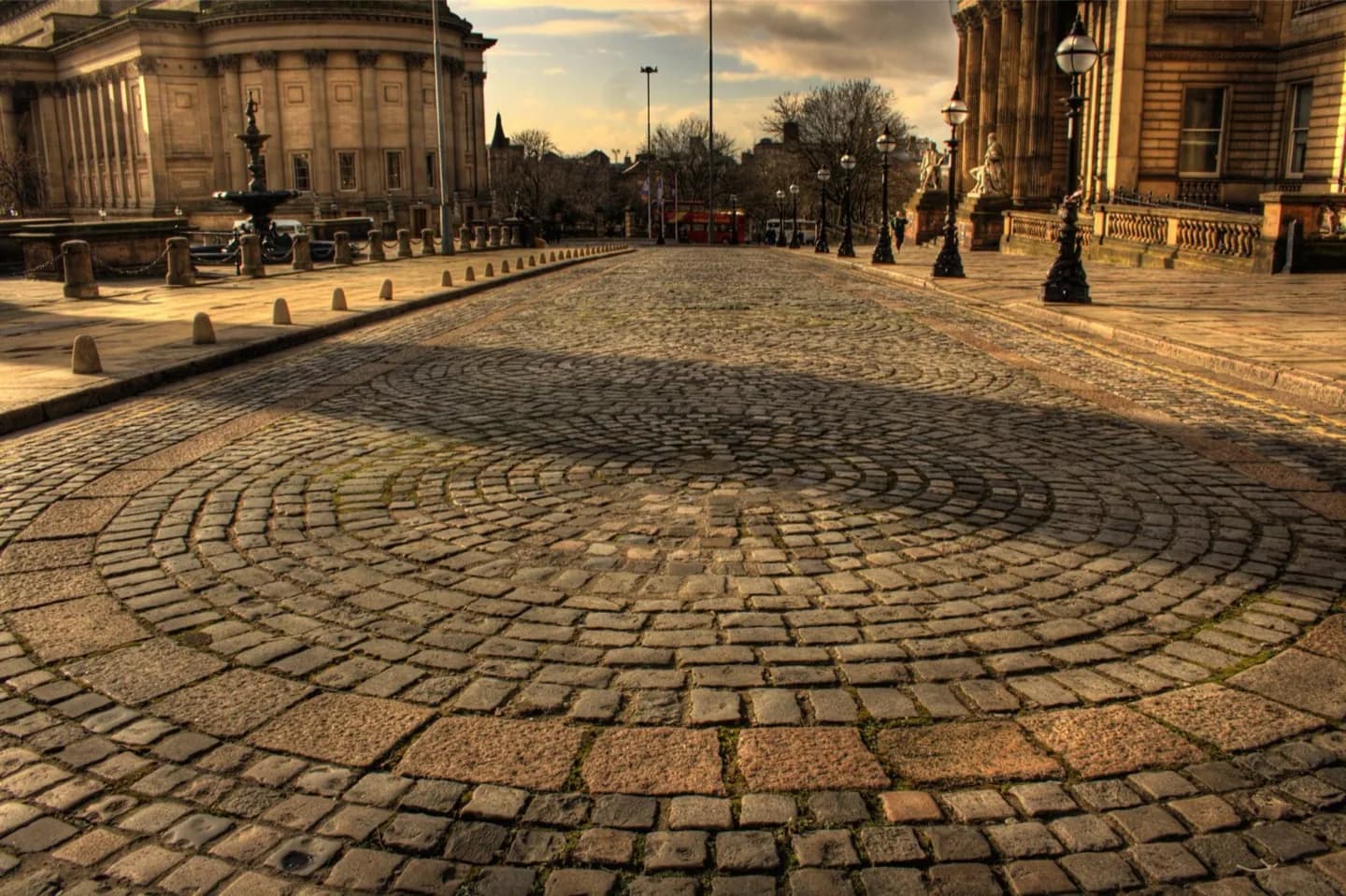
Look at civic sites such as the Municipal Buildings area and St George’s Hall while walking the centre. Their scale helps explain the ambitions of a major port city; for present decisions about services or elected roles, consult the relevant council directly.
The full story
Liverpool’s civic history is visible in buildings and in the way the city centre is organised. Nineteenth-century commercial growth gave local government a larger role in streets, services and public works. St George’s Hall embodies the monumental civic style of that period, while municipal buildings and courts point to everyday administration. The city also belongs to a wider Merseyside and Liverpool City Region setting, so not every public service or regional decision sits within one council boundary. That distinction matters when a visitor reads a map or looks up a public service, but names, ward counts and office structures change. The old account of Liverpool politics includes elections and officeholders from a past decade and cannot describe the present city. For a visit, focus on how civic architecture sits beside the cultural institutions around William Brown Street and the commercial buildings nearer the waterfront. For any contemporary political or administrative question, check the relevant council’s current information.