
Why go
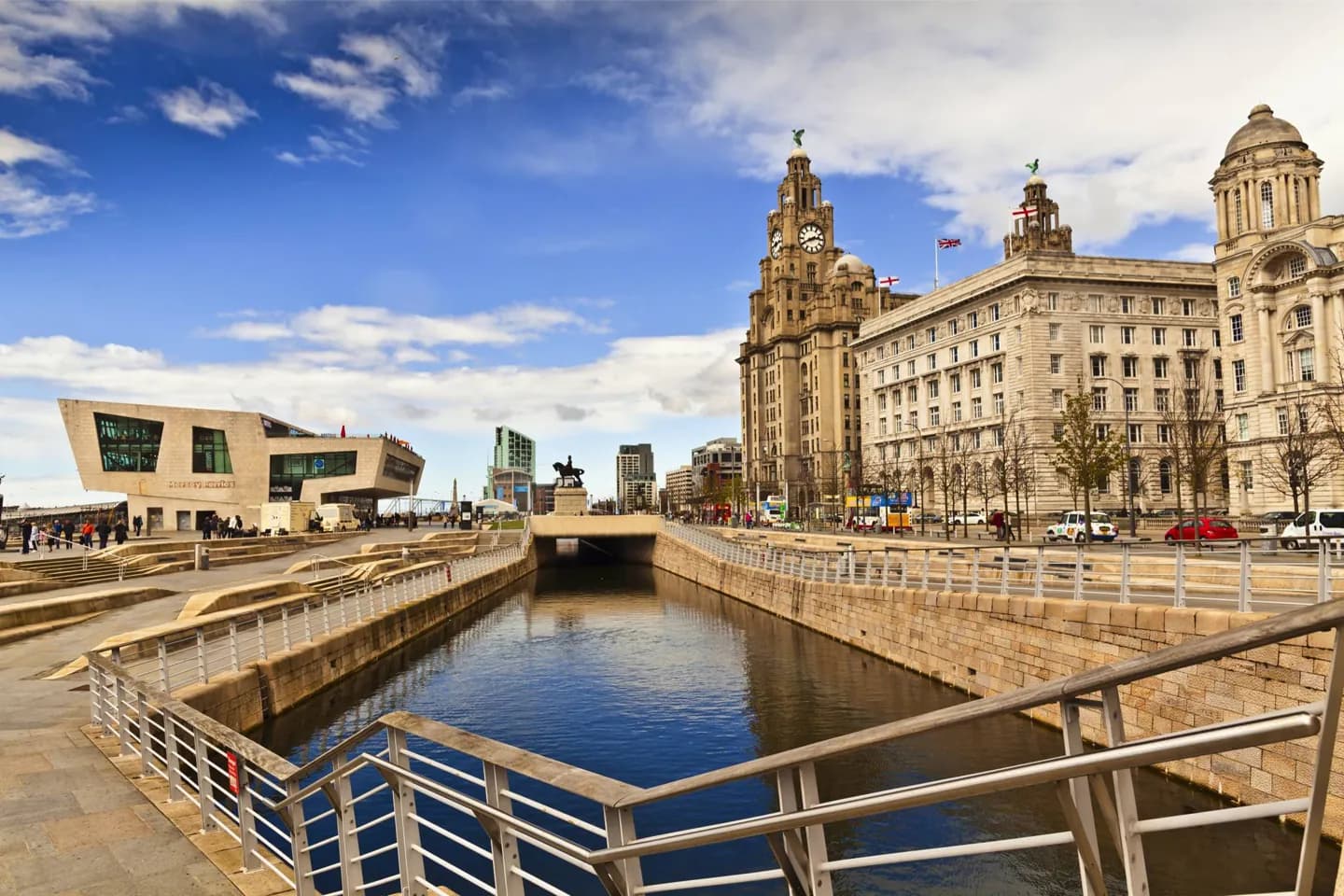
The former designation joined Pier Head, Albert Dock, William Brown Street and other central areas as evidence of Liverpool’s maritime reach. Follow those places as a historical lens, while recognising that the UNESCO title no longer applies and that the mercantile story includes slavery and empire.
The full story
In 2004 UNESCO inscribed Liverpool Maritime Mercantile City, bringing together six areas of the centre associated with the city’s development as a major port. The former site included Pier Head’s monumental offices, the Albert Dock warehouse complex and William Brown Street’s civic institutions. These places show different sides of a port economy: ships and cargo at the water’s edge, finance and administration nearby, and public buildings funded by a wealthy city. That wealth was intertwined with British imperial trade and the exploitation of enslaved people. The designation was placed on the World Heritage in Danger list in 2012 amid concern about waterfront development. UNESCO removed Liverpool from the World Heritage List in 2021. The removal changed its formal status, not the physical evidence on the streets. The former designation remains a useful way to trace the surviving port buildings and the history they reveal.