
Why go
The 1934 crossing is a substantial piece of Mersey engineering. On an organised tour, the original control room and ventilation chamber explain how the tunnel works, and a viewing point brings traffic into sight from below. Book the tour specifically if that behind-the-scenes experience interests you; vehicle access follows separate arrangements.
What to look for
- A tunnel tour includes the original control room.
- The ventilation chamber reveals infrastructure beyond the roadway.
- A tour viewing point looks towards traffic inside the tunnel.
The full story
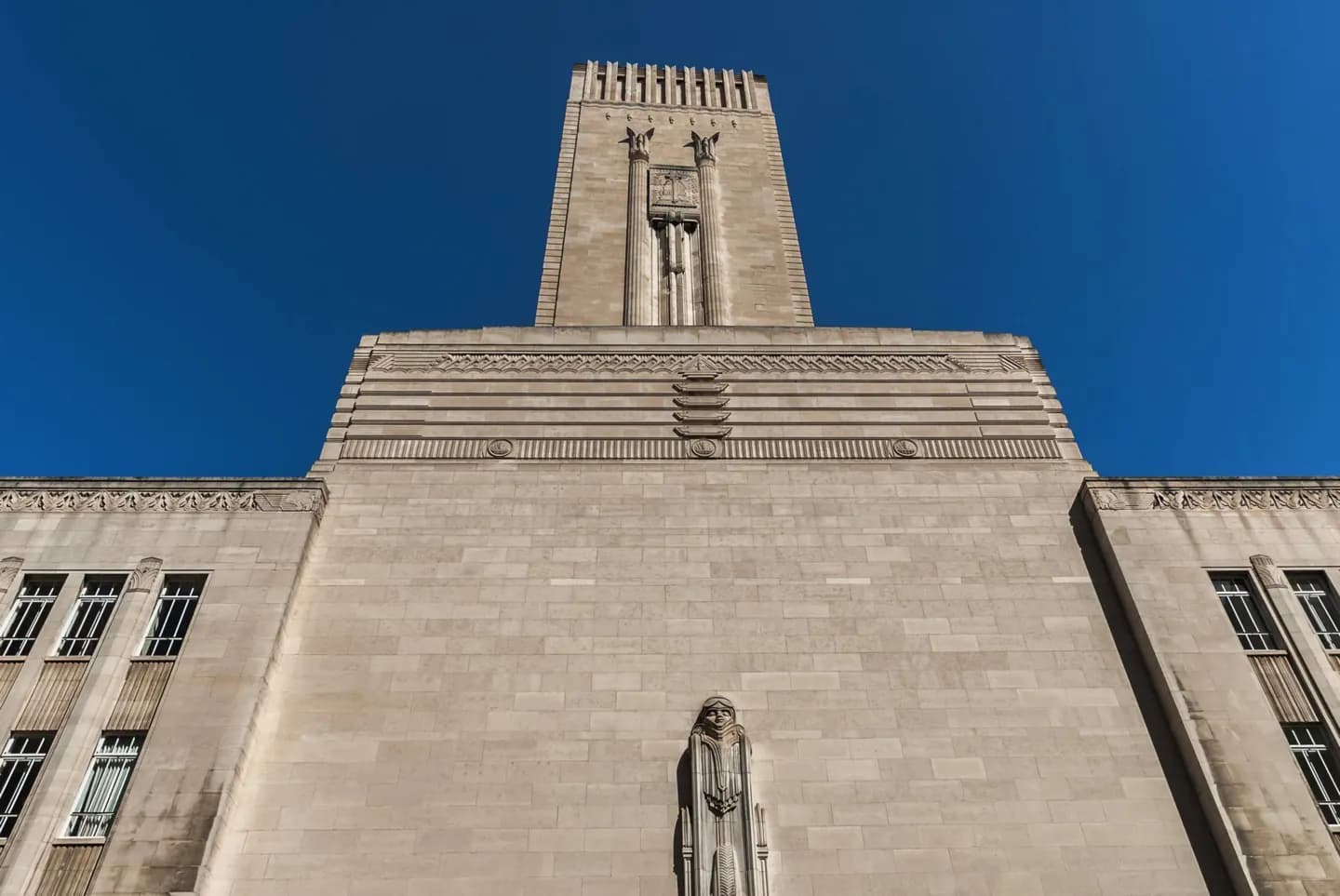
Queensway opened in 1934, connecting Liverpool with Birkenhead under the River Mersey. The scheme answered a growing pressure on ferry crossings as road traffic increased. Construction began in the 1920s, and engineers drove pilot tunnels from opposite sides of the river before the full road passage was completed. The work required excavation on a vast scale and depended on ventilation, controls and carefully planned entrances as much as on the tunnel itself. Architect Herbert James Rowse designed the entrance and ventilation buildings, giving practical infrastructure a visible civic presence above ground. For most travellers the tunnel is a short crossing, with little chance to understand those systems. A dedicated tour changes that perspective by taking visitors to a control room, a ventilation chamber and a place to watch traffic below. Those spaces make the difference between merely using the crossing and appreciating the engineering that keeps a road operating beneath the Mersey.
Useful to know
- Arrange a dedicated Mersey Tunnel Tour in advance for behind-the-scenes access.
- Treat a drive through Queensway as separate from the guided tour experience.
Your next visit
Estimated · Declared scenario and planning estimates; no live opening, weather, queue or booking service.
Outdoor visit · 30–45 min
World planning estimate; admission, opening, visit duration and access need checking.