
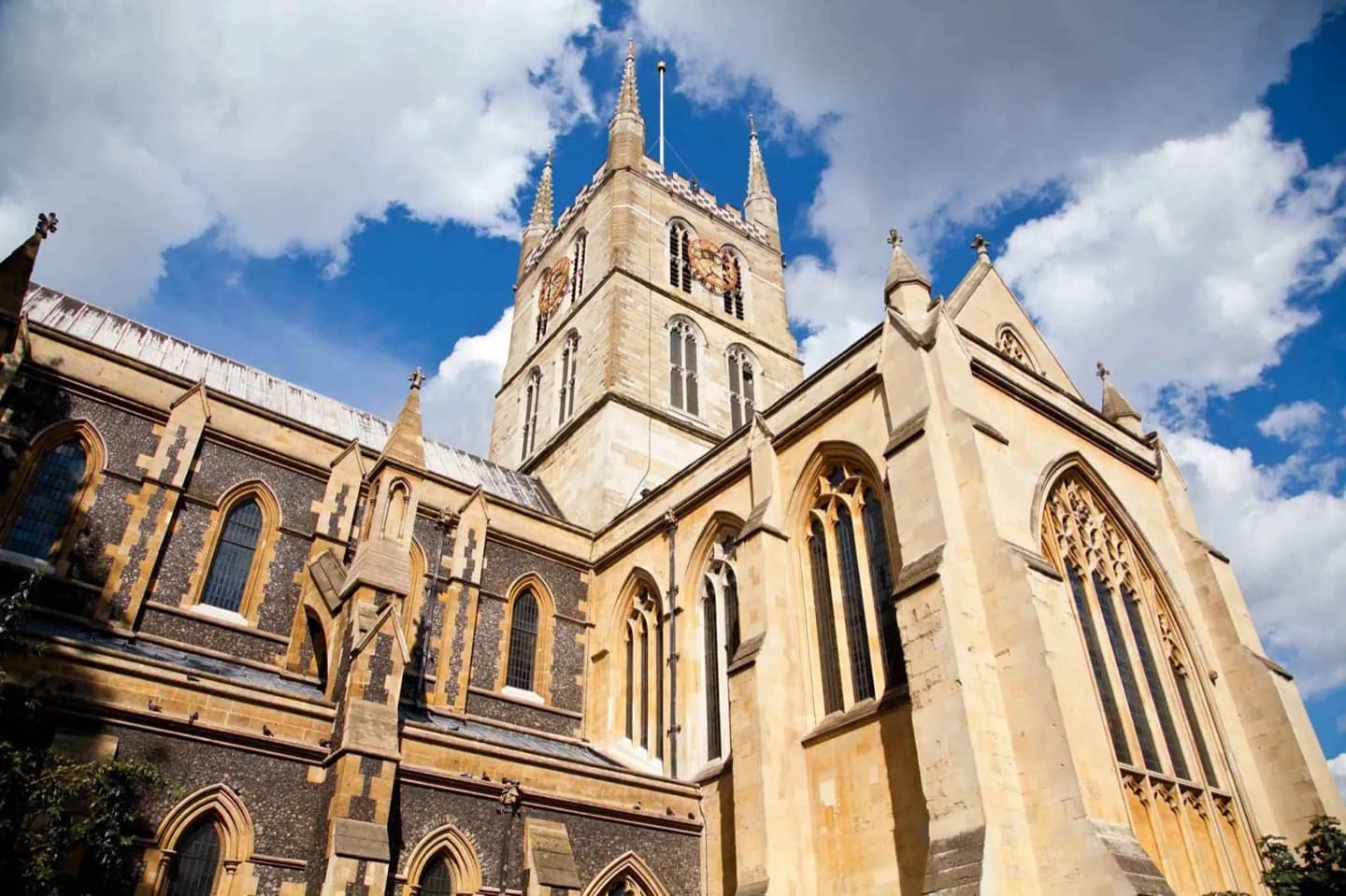
Why go
Many famous buildings and landmarks of London were constructed during the 19th century including: Trafalgar Square Big Ben and the Houses of Parliament The Royal Albert Hall The Victoria and Albert Museum Tower Bridge 20th century 1900 to 1939 London entered the 20th century at the height of its influence as the capital of one of the largest empires in history, but the new century was to bring many challenges.
What to look for
- He was released from the Tower on 21 December 1781 in exchange for General Lord Cornwallis.
- The new hospital, chapel, and schoolhouse were begun in 1611.
- Charles I acceded to the throne in 1625.
The full story
Tudor London During the Reformation, London was the principal early centre of Protestantism in England. Its close commercial connections with the Protestant heartlands in northern continental Europe, large foreign mercantile communities, disproportionately large number of literate inhabitants and role as the centre of the English print trade all contributed to the spread of the new ideas of religious reform. Before the Reformation, more than half of the area of London was the property of monasteries, nunneries and other religious houses. Henry VIII's "Dissolution of the Monasteries" had a profound effect on the city as nearly all of this property changed hands. The process started in the mid 1530s, and by 1538 most of the larger monastic houses had been abolished.