
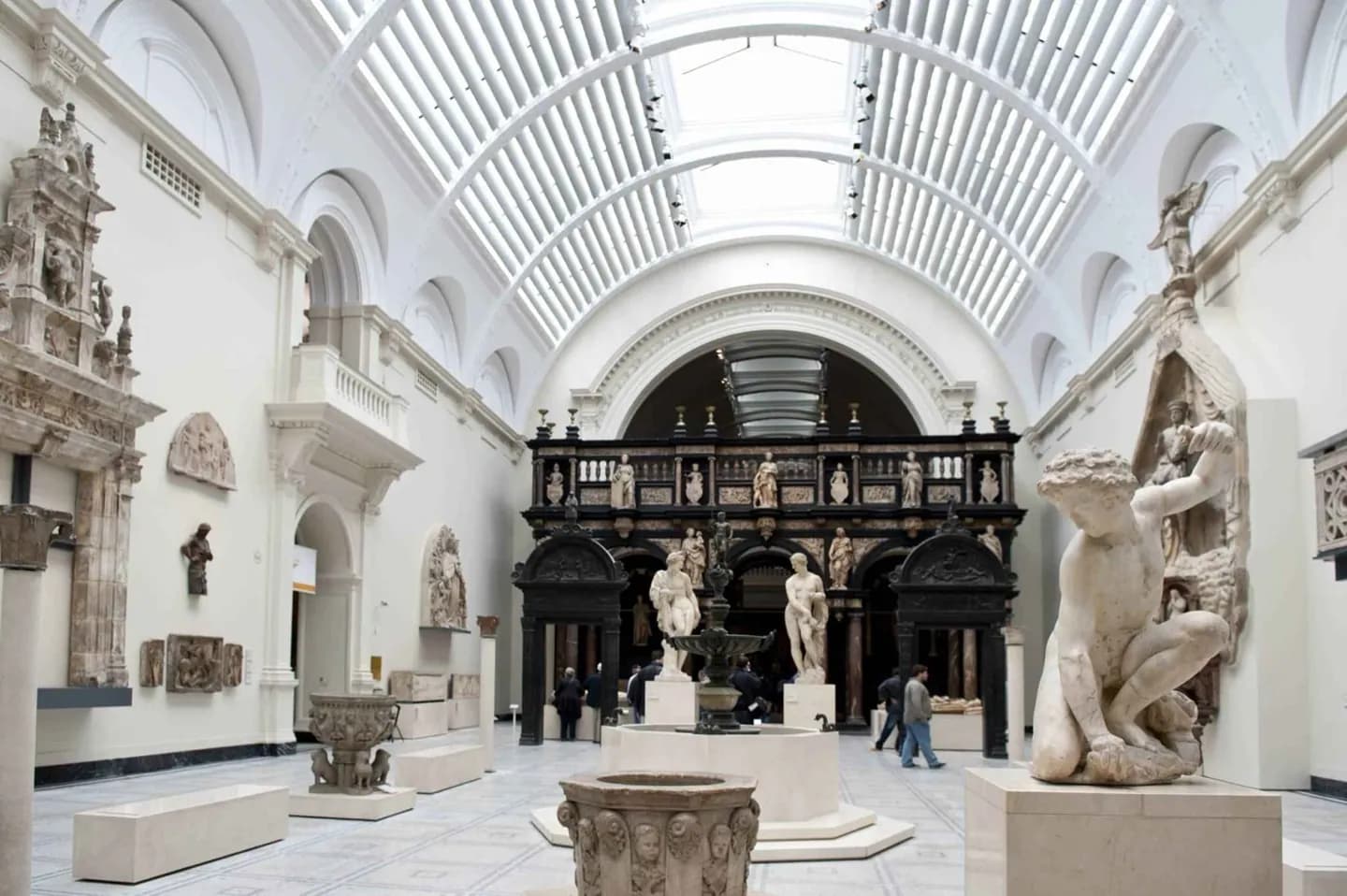
Why go
Around this time, the American collector and philanthropist J Pierpont Morgan donated a substantial number of objects to the museum, including William Greenwell's collection of prehistoric artefacts from across Europe which he had purchased for £10,000 in 1908. The British Museum was established in 1753, largely based on the collections of the physician and scientist Sir Hans Sloane.
What to look for
- The William Burges collection of armoury was bequeathed to the museum in 1881.
- In 1923, the British Museum welcomed over one million visitors.
- In 1931, the art dealer Sir Joseph Duveen offered funds to build a gallery for the Parthenon sculptures.
The full story
Its permanent collection, numbering some 8 million works, is among the largest and most comprehensive in existence and originates from all continents, illustrating and documenting the story of human culture from its beginnings to the present. The museum first opened to the public on 15 January 1759, in Montagu House, on the site of the current building. Its expansion over the following two and a half centuries was largely a result of an expanding British colonial footprint and has resulted in the creation of several branch institutions, the first being the British Museum in South Kensington in 1881. Some objects in the collection, most notably the Elgin Marbles from the Parthenon, are the objects of controversy and of calls for restitution to their countries of origin.
Your next visit
Estimated · Declared scenario and planning estimates; no live opening, weather, queue or booking service.
Indoor visit · 60–120 min
World planning estimate; admission, opening, visit duration and access need checking.