
Why go
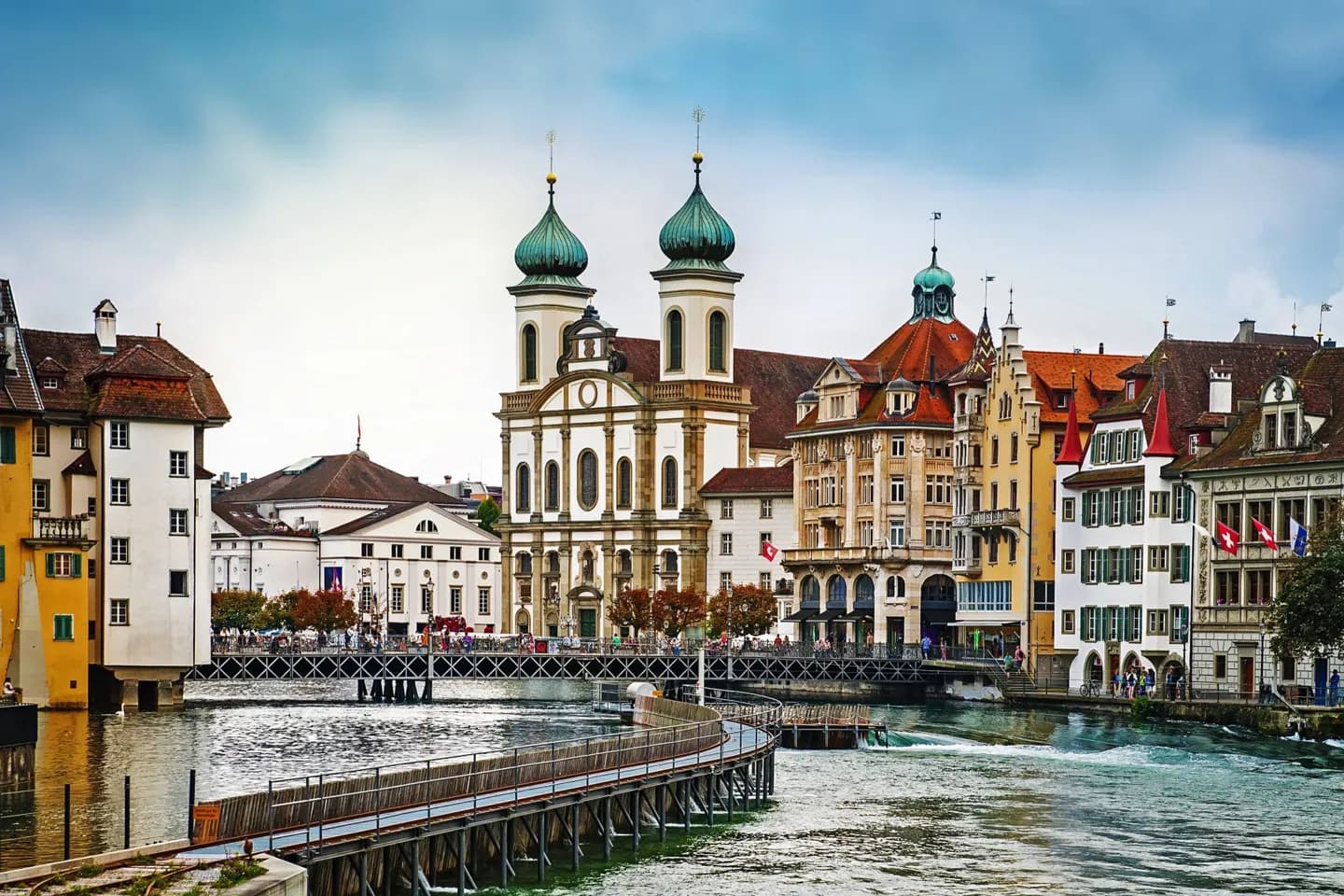
The city's Catholic identity gives the Church of St. Leodegar and other religious sites a wider political setting. Lucerne stood apart from Protestant cities such as Zürich and Bern, and that division influenced its place in the Confederacy for generations.
The full story
The Reformation reached Swiss cities in the 16th century, but Lucerne remained Catholic. As Zürich and other centers adopted Protestant reform, religious differences became political divisions within the Confederacy. Catholic forces won at Kappel in 1531, giving Catholic cantons a stronger position for a time. Lucerne's role as a Catholic center was thus tied to power as well as worship. The balance changed over the following centuries. Protestant cantons, including Zürich and Bern, gained influence, and Catholic forces lost in the Toggenburg War of 1712. Lucerne remained an important city, but its earlier prominence within the Confederacy weakened. The contrast helps explain why religious history matters here: churches and institutions in Lucerne were part of a broader contest over how the Swiss cantons would live together. Read the city's Catholic heritage against those alliances and rivalries rather than as an isolated local tradition.