
Why go
Protected since 1992, Mondragó brings beaches, dunes, wetlands, dry-stone features and pine woodland together in a compact southeast coastal landscape. The visit connects S'Amarador, ses Fonts de n'Alís and trails between beach and woodland. The experience is strongest for visitors interested in habitats, conservation and the effects of human use.
What to look for
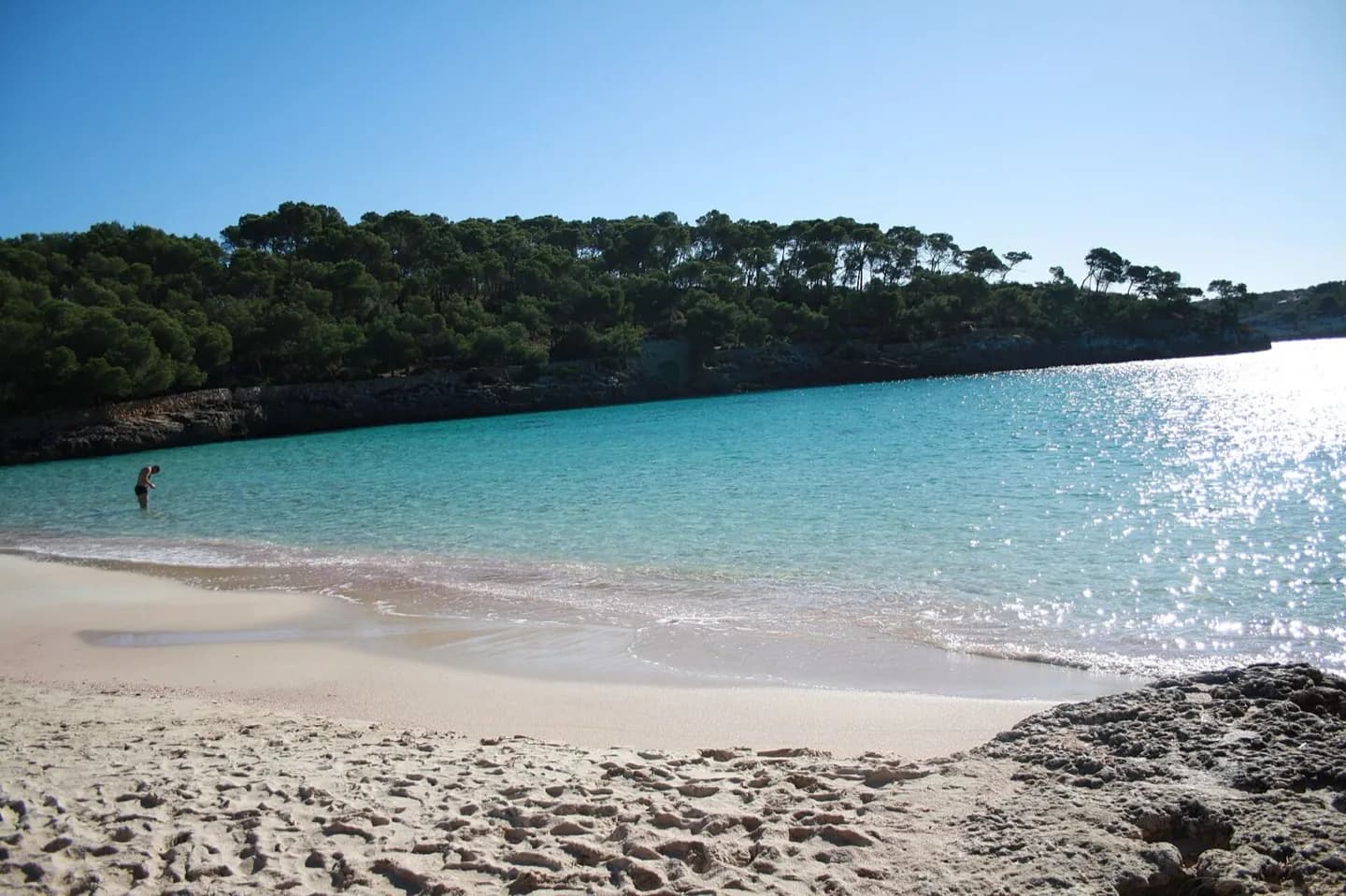
- S'amarador.
- Ses fonts de n'alís and trails between beach and woodland.
The full story
Protected since 1992, Mondragó brings beaches, dunes, wetlands, dry-stone features and pine woodland together in a compact southeast coastal landscape. Today, Mondragó Natural Park is best understood through S'Amarador, ses Fonts de n'Alís and trails between beach and woodland. The wider Mondragó Natural Park context is a protected southeast coast of coves, dunes, pine woods and short walking paths. Begin with the habitat as a whole, then look for transitions between water, rock, vegetation and human paths. Those edges often hold the clearest evidence of ecological pressure and resilience. Staying on the marked route protects the same systems the visit is meant to reveal and keeps conservation central to the experience. Before leaving Mondragó Natural Park, set its arrival image—S'Amarador—against its closing image: a protected southeast coast of coves.
Useful to know
- Arrive early when beach parking is under pressure.
- Carry water and keep to marked paths through fragile areas.
Your next visit
Estimated · Declared scenario and planning estimates; no live opening, weather, queue or booking service.
Outdoor visit · 75–150 min
World planning estimate; admission, opening, visit duration and access need checking.