
Why go
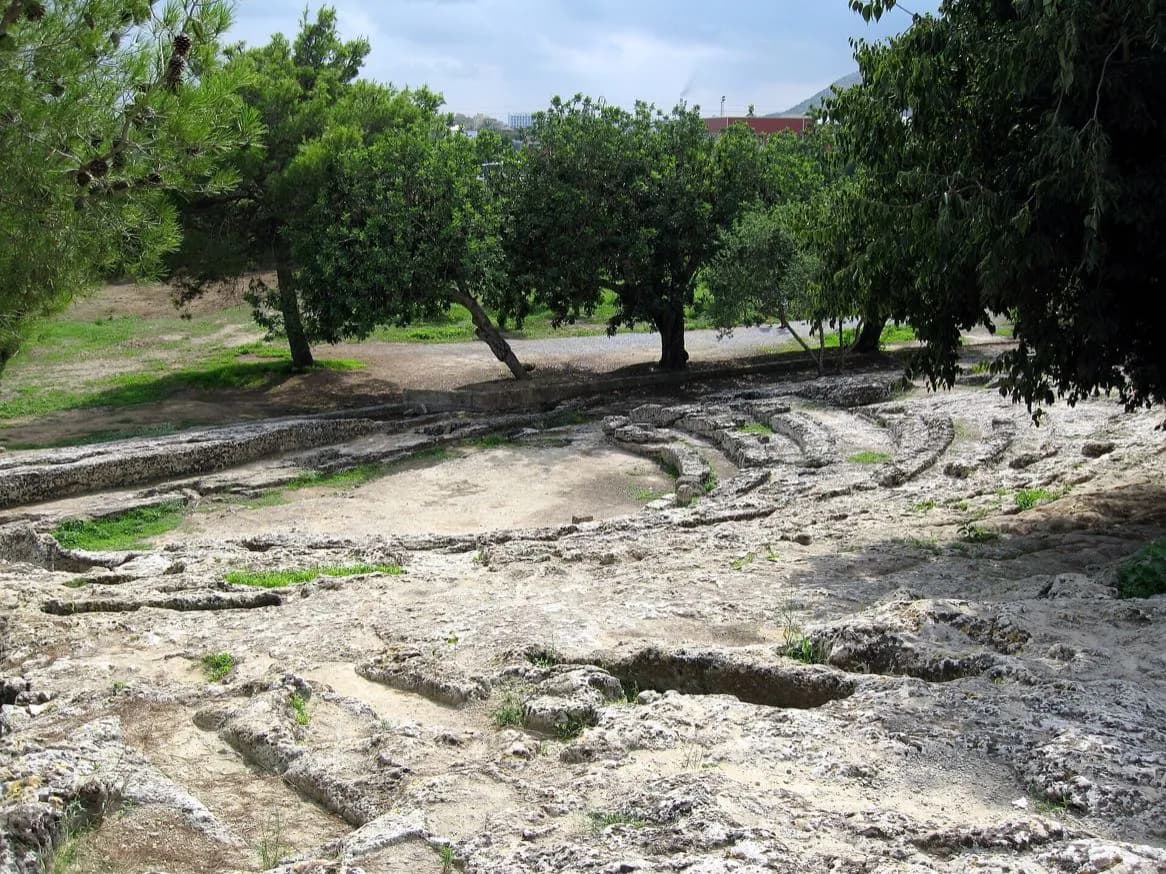
Cut partly into the rock beyond Pollentia’s urban core, the small Roman theatre preserves the relationship between performance space, seating and landscape. The visit connects the semicircular seating, rock-cut form and relationship to ancient Pollentia. It repays visitors who enjoy reconstructing a place from foundations, walls and the evidence left between them.
What to look for
- The semicircular seating.
- Rock-cut form and relationship to ancient pollentia.
The full story
Cut partly into the rock beyond Pollentia’s urban core, the small Roman theatre preserves the relationship between performance space, seating and landscape. Today, Roman Theatre of Pollentia is best understood through the semicircular seating, rock-cut form and relationship to ancient Pollentia. The wider Roman Theatre of Pollentia context is a small Roman theater cut partly into rock beyond the main urban excavation. Use the surviving walls and foundations to rebuild the plan mentally. Doorways, changes in masonry and open spaces reveal where movement and activity once occurred. Interpretation panels help, but the strongest evidence remains on the ground. A slow final circuit usually makes relationships visible that were difficult to grasp on arrival. Before leaving Roman Theatre of Pollentia, set its arrival image—the semicircular seating—against its closing image: a small Roman theater cut partly into rock beyond the main urban excavation.
Useful to know
- Treat it as an extension of the Pollentia visit.
- Check the combined access route and allow for outdoor walking.
Your next visit
Estimated · Declared scenario and planning estimates; no live opening, weather, queue or booking service.
Outdoor visit · 37–75 min
World planning estimate; admission, opening, visit duration and access need checking.