
Why go
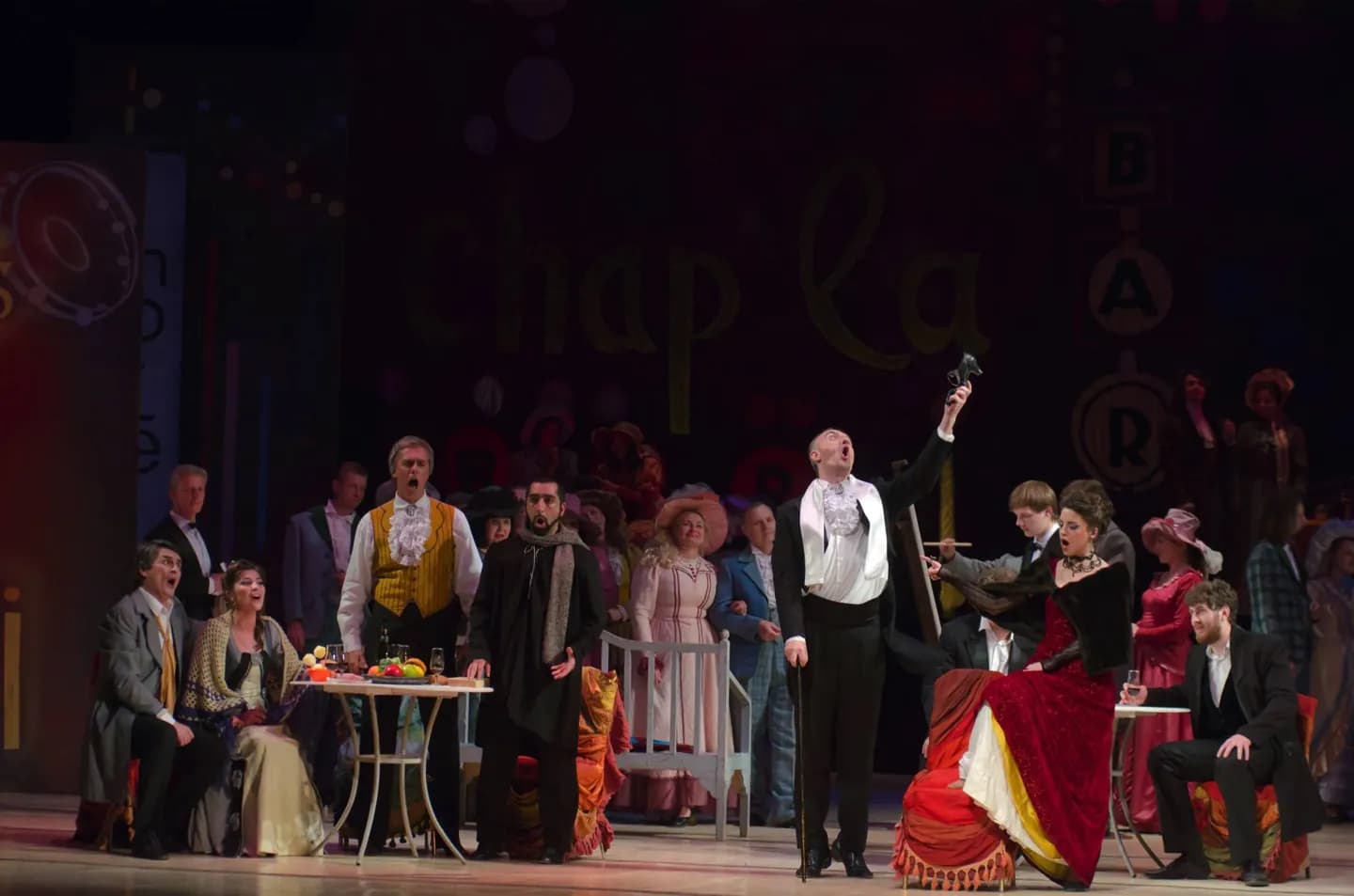
The building gives an opera, musical or concert a distinctive setting: a spacious foyer leads into a main auditorium shaped for a close relationship between stage and audience. Malmö Opera rewards a planned performance visit, especially if you leave time to notice the architecture before taking your seat.
What to look for
- The functionalist exterior gives way to an expansive foyer and marble stairs.
- The main auditorium is shaped like an enclosed amphitheatre.
- Artworks are displayed in the foyer.
The full story
Built between 1933 and 1944, the theatre was associated with architect Sigurd Lewerentz and was known for many years as Malmö City Theatre. Its main room took the form of an enclosed amphitheatre, intended to give the audience a strong view of the stage. A large revolving stage supported the scale and variety of productions. The foyer adds another part of the experience, with open surfaces, marble staircases and works by artists including Carl Milles and Isaac Grünewald. The building later took the Malmö Opera name, but its earlier theatre role is still useful context: it was conceived as a substantial performing-arts house, not simply a place to look at from the street. Seeing a production lets the auditorium and stage design do the work they were built to do.
Useful to know
- Choose a scheduled performance or guided visit to see the interior.
- Allow time before the performance to look around the foyer.
Your next visit
Estimated · Declared scenario and planning estimates; no live opening, weather, queue or booking service.
Indoor visit · 90–150 min
World planning estimate; admission, opening, visit duration and access need checking.