
Why go
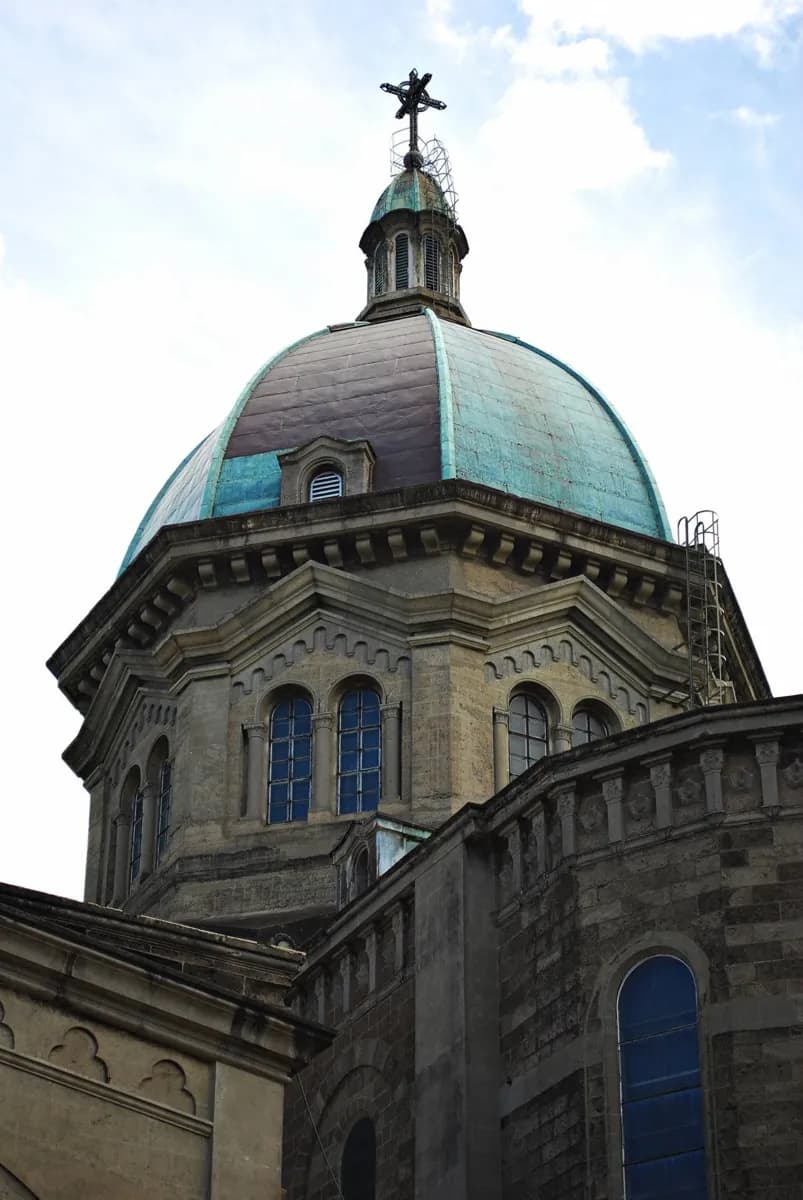
San Agustin Church and Manila Cathedral put Spanish colonial religion in the streets of Intramuros. Quiapo Church shows devotion in daily city life, while Binondo Church anchors a district with deep Chinese Filipino roots. Visiting them as living places makes the architecture more meaningful.
The full story
Spanish rule made Catholic institutions prominent in Manila’s built landscape. In Intramuros, Manila Cathedral was tied to the archdiocese, while San Agustin Church preserves a particularly important piece of the walled city’s religious heritage. The streets between them help show how worship and colonial administration were woven together. The story continues outside the walls. Quiapo Church is associated with the image of Jesus Nazareno, whose devotion shapes one of Manila’s major annual observances. Binondo Church stands in a district long associated with Chinese Filipino commerce and community. These are not interchangeable stops: each sits in a different urban setting and carries a different part of Manila’s history. Catholic churches are only part of the picture. The city has Protestant and independent Christian traditions, and communities of other faiths, including Buddhist, Taoist and Muslim worshippers. In Quiapo, Masjid Al-Dahab is a reminder that the district’s religious life extends beyond its famous church. Treat worship spaces as active community places; a quiet look and respect for services matter more than completing a checklist of buildings.
Useful to know
- Allow for services when visiting Manila Cathedral, San Agustin Church or Quiapo Church.
- Pair each church with its surrounding district so the building has urban context.