
Why go
A district-first plan makes transport less confusing: walk between close Intramuros landmarks, use a longer connection for a move across Manila, and treat Makati or Quezon City as separate outings. The city’s rail network and local vehicles offer choices, but service details change.
The full story
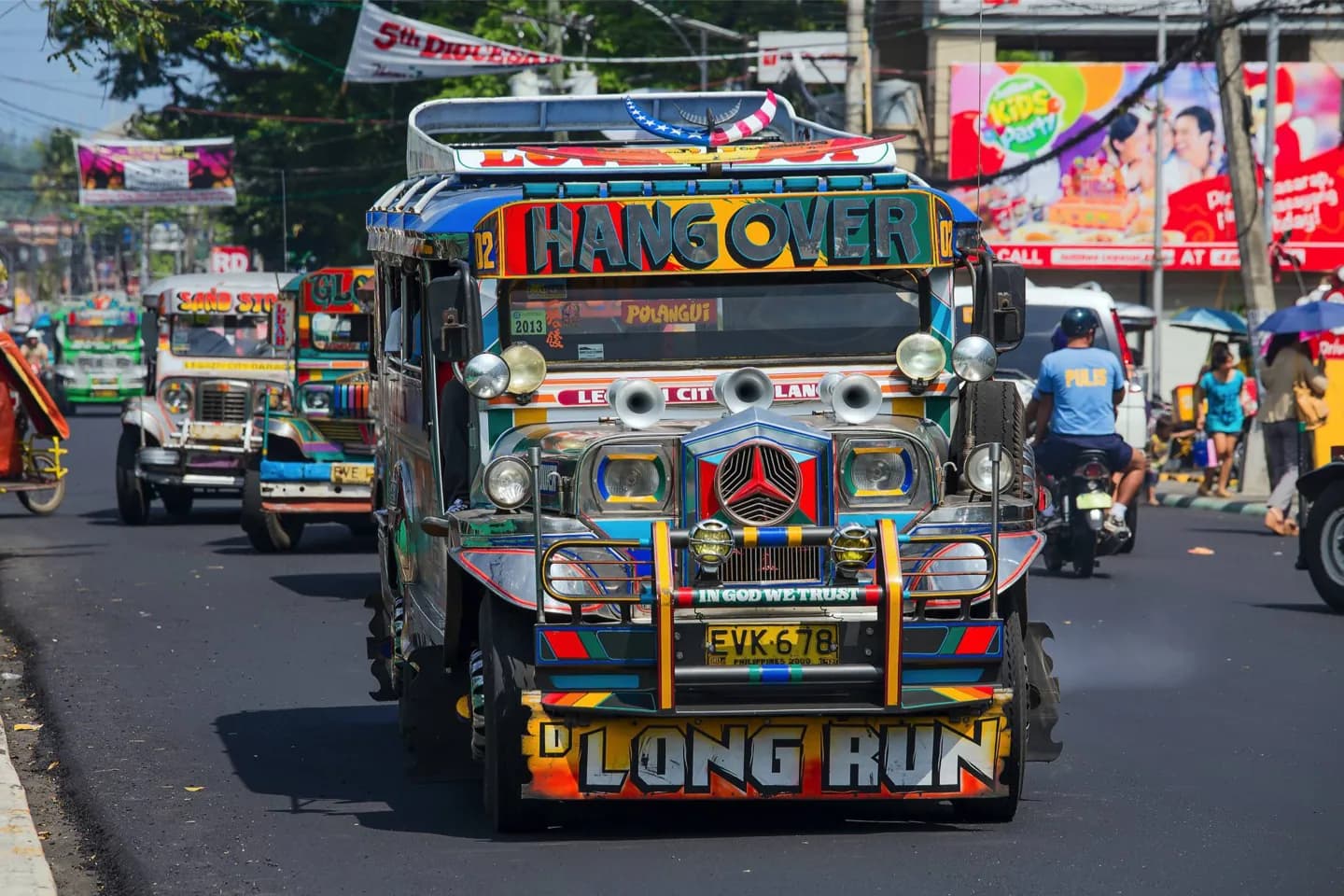
Manila is one city within Metro Manila. That distinction matters whenever a map places a museum in Makati or a memorial in Quezon City beside central Manila attractions. A short list of places can cross city boundaries and turn into a transfer-heavy day. Start by grouping Fort Santiago, Manila Cathedral and San Agustin Church within Intramuros, or the National Museum buildings with Rizal Park. For longer moves, the metropolitan area has urban rail and road transport. Taxis and smaller local vehicles also appear in different districts. Pedicabs, motorcycle sidecars known as tricycles, and horse-drawn calesas are part of Manila’s transport vocabulary, although availability and purpose vary by place. In Intramuros, a calesa is associated with sightseeing rather than an ordinary cross-city connection. The useful question is which mode serves the actual pair of places on your plan. Rail lines, stops, fares and operating conditions can change. Check a current route and timetable before relying on a particular service. Within a compact historic area, allow time to walk and look around; across the metropolis, make the transfer a deliberate part of the day.
Useful to know
- Group nearby Intramuros or museum stops before choosing a longer transfer.
- Check current rail routes and service before crossing Manila or going farther into Metro Manila.