
Why go
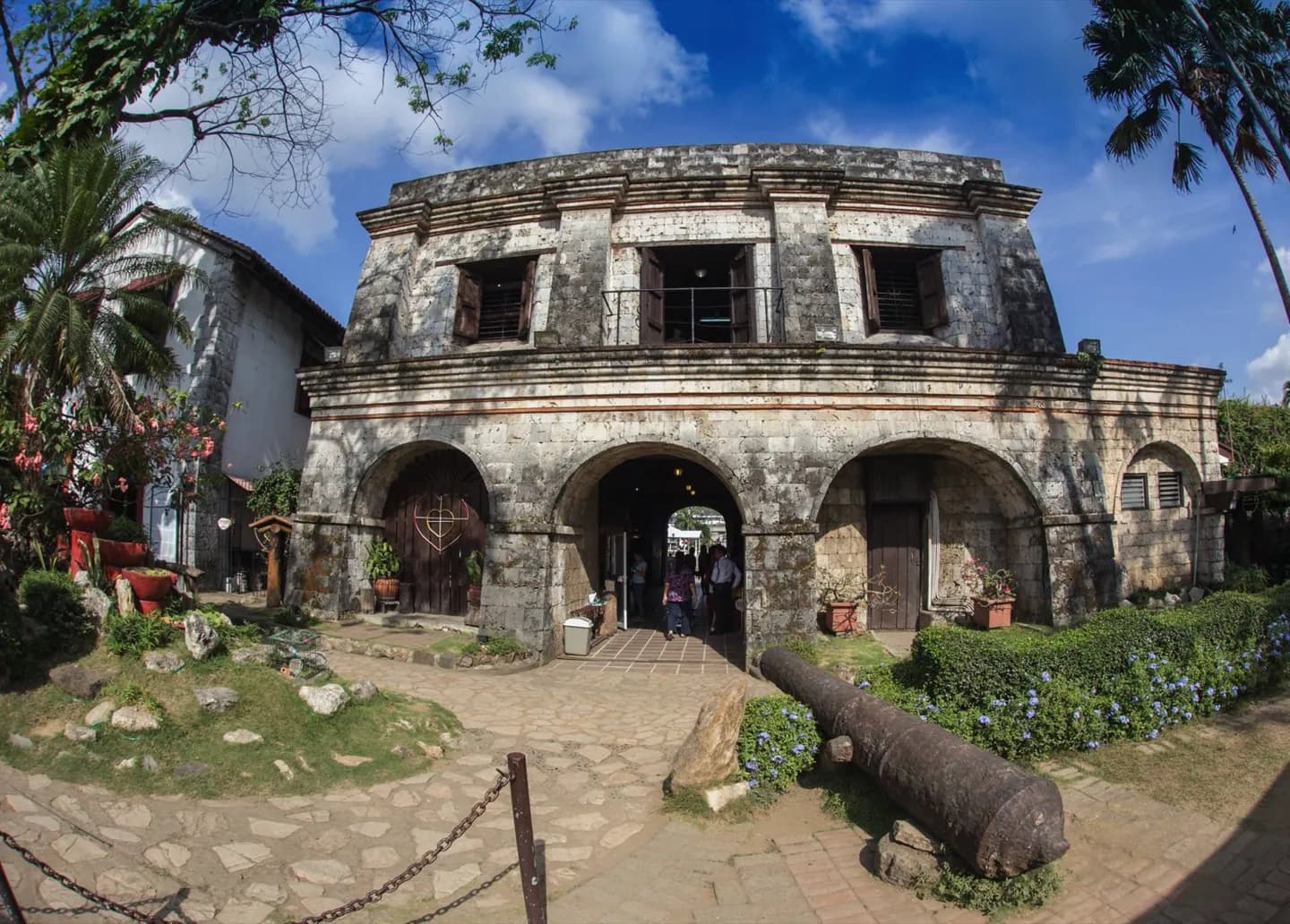
The fort makes Intramuros's defensive plan tangible: move from the gate to Plaza de Armas, then toward the river-facing works. Its memorial spaces also place José Rizal's final imprisonment within the same ground. Visit it as a distinct stop within a wider Intramuros walk, allowing time for both the fortifications and the history.
What to look for
- The fort gate opening toward Plaza de Armas.
- River-facing fortifications at the north end of Intramuros.
- Spaces associated with José Rizal's imprisonment.
The full story
Fort Santiago occupies the northern edge of the walled city, where the Pasig River helped shape Manila's colonial defenses. Passing through its gate and into Plaza de Armas shifts the experience from the busy streets of Intramuros to an enclosed military site. The fort later became closely tied to José Rizal: he was held here before his execution in 1896, and its memorial area connects that episode to the broader campaign for Philippine independence. The two stories belong together on a visit. The walls and river edge show why the position mattered strategically; the Rizal spaces show how the same fort became a place of confinement and, eventually, national memory. Give the plaza and river edge separate attention; they explain the fort before the memorial gives it a later meaning.
Useful to know
- Allow a separate block of time for the fort within an Intramuros walk.
- Check Fort Santiago's own admission and last-entry guidance before visiting.
Your next visit
Estimated · Declared scenario and planning estimates; no live opening, weather, queue or booking service.
Outdoor visit · 30–45 min
World planning estimate; admission, opening, visit duration and access need checking.