
Why go
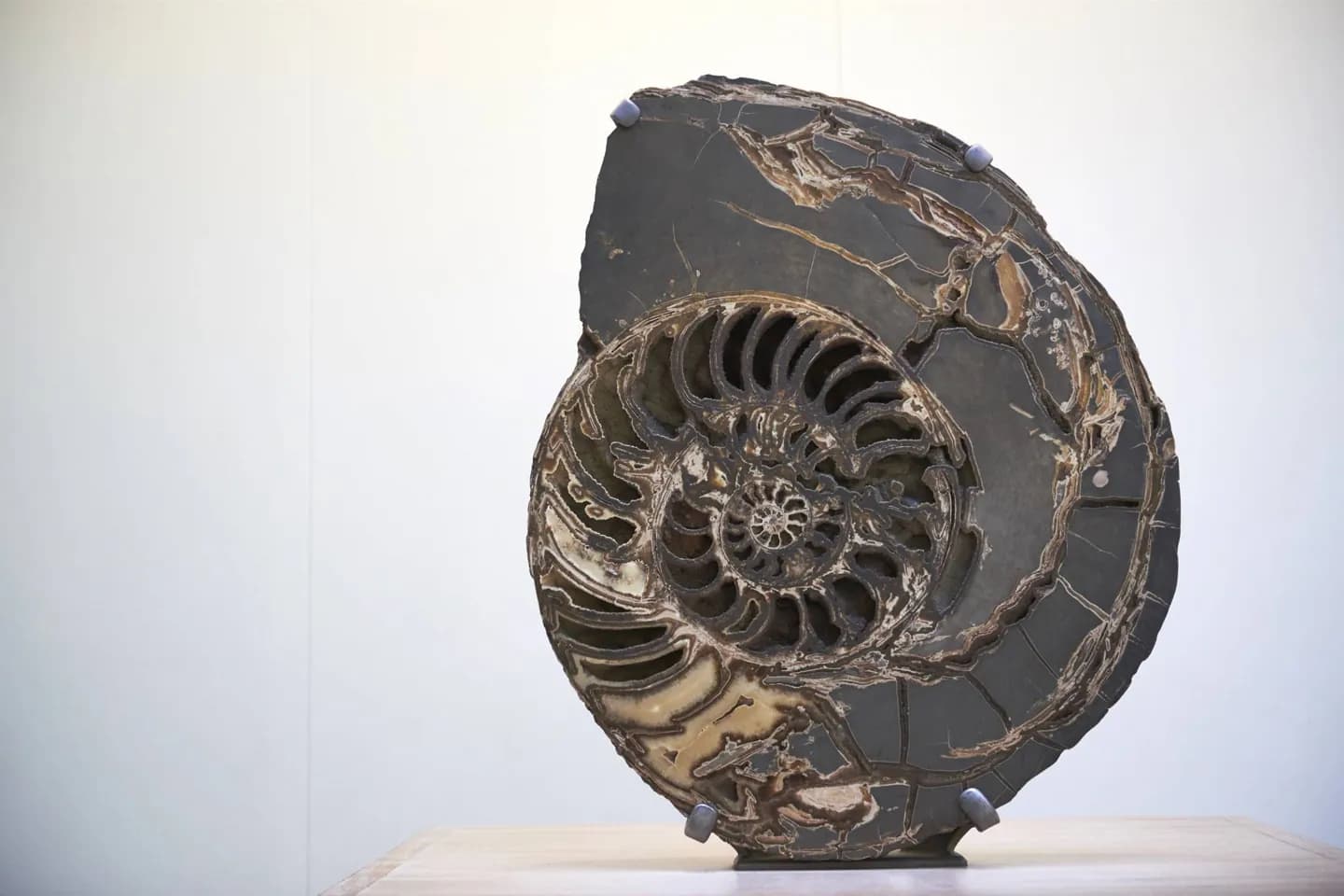
Unlike a single-subject art gallery, UST Museum grew from collections used in teaching. That origin helps explain its unusual breadth, from natural specimens to visual and religious art. It is a useful stop for seeing how a Manila university collected and presented knowledge across centuries.
What to look for
- Natural history specimens alongside art and cultural objects.
- Philippine religious images within the university collection.
- The breadth of a museum rooted in academic teaching.
The full story
The UST Museum grew from the University of Santo Tomas’s teaching collections. Early cabinets of natural objects helped students study subjects such as medicine and pharmacy, and later collecting widened the museum’s scope. That history explains the mix of natural history, ethnographic material, religious images and visual art associated with the collection. It is also why the museum feels different in purpose from a gallery built around one artist or period. The university setting matters: these objects were assembled in an institution where learning, science and Catholic life have long met. As you move through the museum, look for connections between the categories rather than treating them as unrelated rooms. Specimens show how nature was classified; images and artworks show another way knowledge and belief were organized. The result is a compact view of the intellectual life of an old Manila university.
Useful to know
- Check the museum’s visitor page around university breaks and holidays.
- Plan this as a UST campus visit rather than an Intramuros museum stop.
Your next visit
Estimated · Declared scenario and planning estimates; no live opening, weather, queue or booking service.
Outdoor visit · 30–45 min
World planning estimate; admission, opening, visit duration and access need checking.