
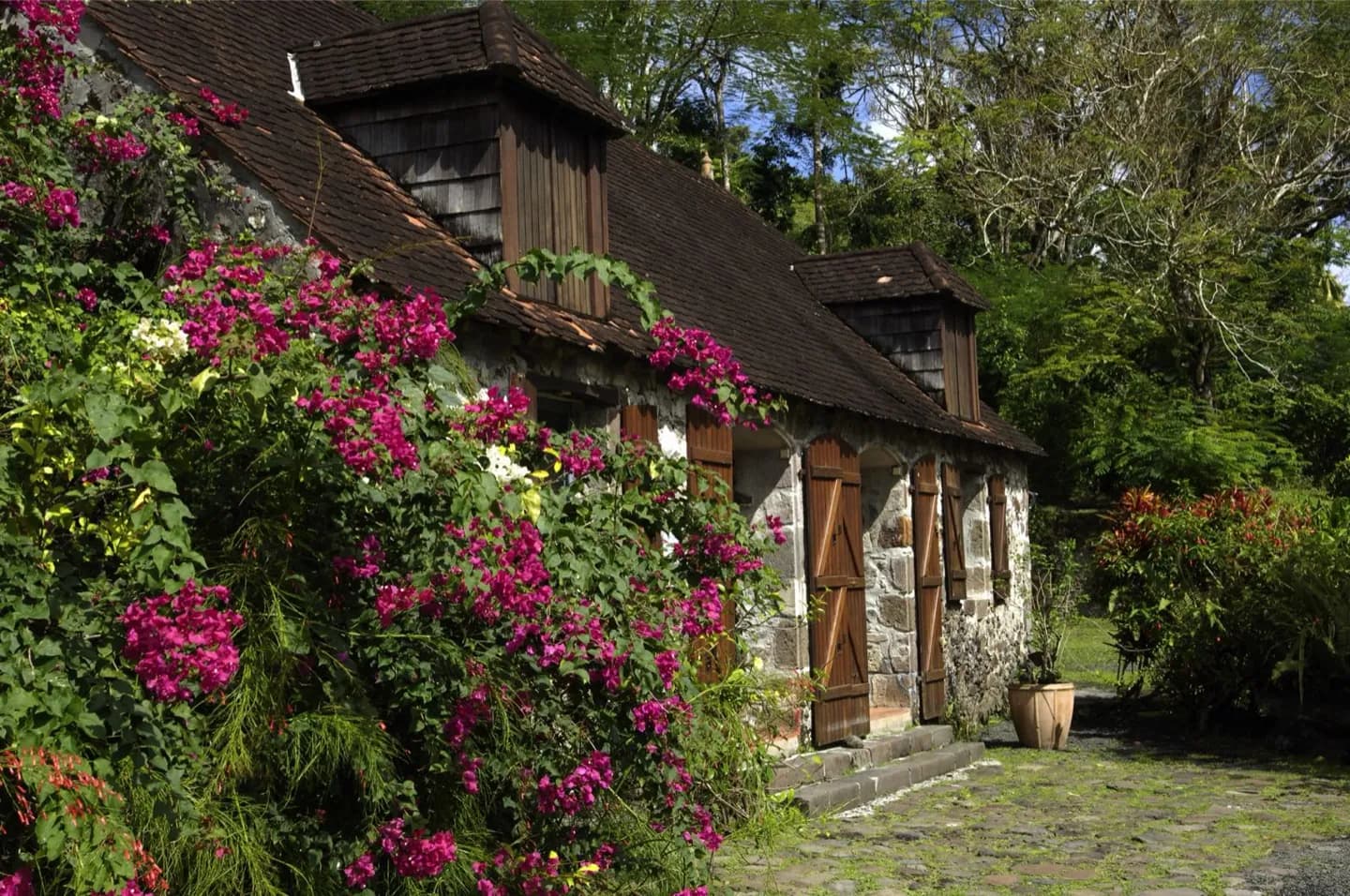
Why go
This period gives context to the island's former estates and to Saint-Pierre's historic role. Coffee was cultivated on Mount Pelée's slopes, while sugar production spread through plantation districts. The contrast between elegant colonial remains and the coercive system behind them is essential to understanding what survives.
The full story
Martinique's eighteenth-century economy expanded around export crops. The historical account links early coffee cultivation to the slopes of Mount Pelée and describes Saint-Pierre as a larger commercial center than Fort-Royal, the town later called Fort-de-France. Sugar mills and plantations connected landowners to transatlantic markets. Their output depended on the labor of enslaved Africans, whose lives cannot be reduced to figures in a trade history. European wars repeatedly reached the island. Britain occupied Martinique during the Seven Years' War, and France recovered it in 1763. The competition shows how valuable the colony's trade had become to imperial powers. For a visitor, the lasting evidence is less a list of treaties than the geography of former estates, ports and coastal defenses. Those places belong to one connected story: goods left the island through trade networks built on slavery, while the benefits and burdens were distributed very unequally.