
Why go
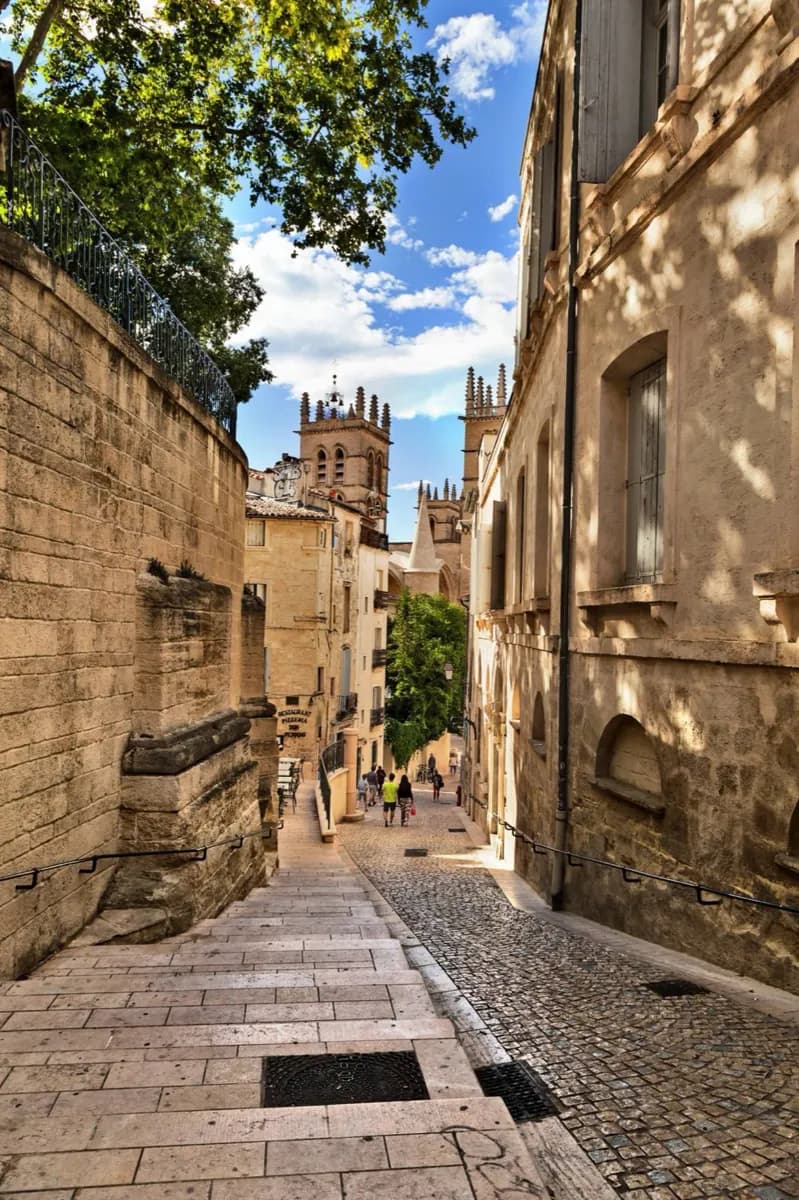
This history explains why the Citadel and the open spaces around Peyrou belong to different phases of Montpellier's development. It adds context to a walk from the tight medieval streets toward the Promenade du Peyrou and Esplanade, where the change in scale is easy to feel.
The full story
Many Montpellier residents adopted Protestantism during the sixteenth-century Reformation. The city became a centre of resistance to the Catholic crown, and Louis XIII besieged it in 1622. After its surrender, a citadel was built to secure royal control. Under Louis XIV, Montpellier served as capital of Bas Languedoc. The city also acquired promenades, the Esplanade and substantial houses in its historic centre. Those changes did not erase the medieval street pattern, but they altered the experience of moving through it: a visitor can pass from enclosed lanes to formal, open spaces in a short walk. After the French Revolution, Montpellier became the capital of the smaller Hérault department. The route from the old centre to Peyrou is therefore a useful way to see political change expressed in the city's fabric rather than as a list of rulers.