
Why go
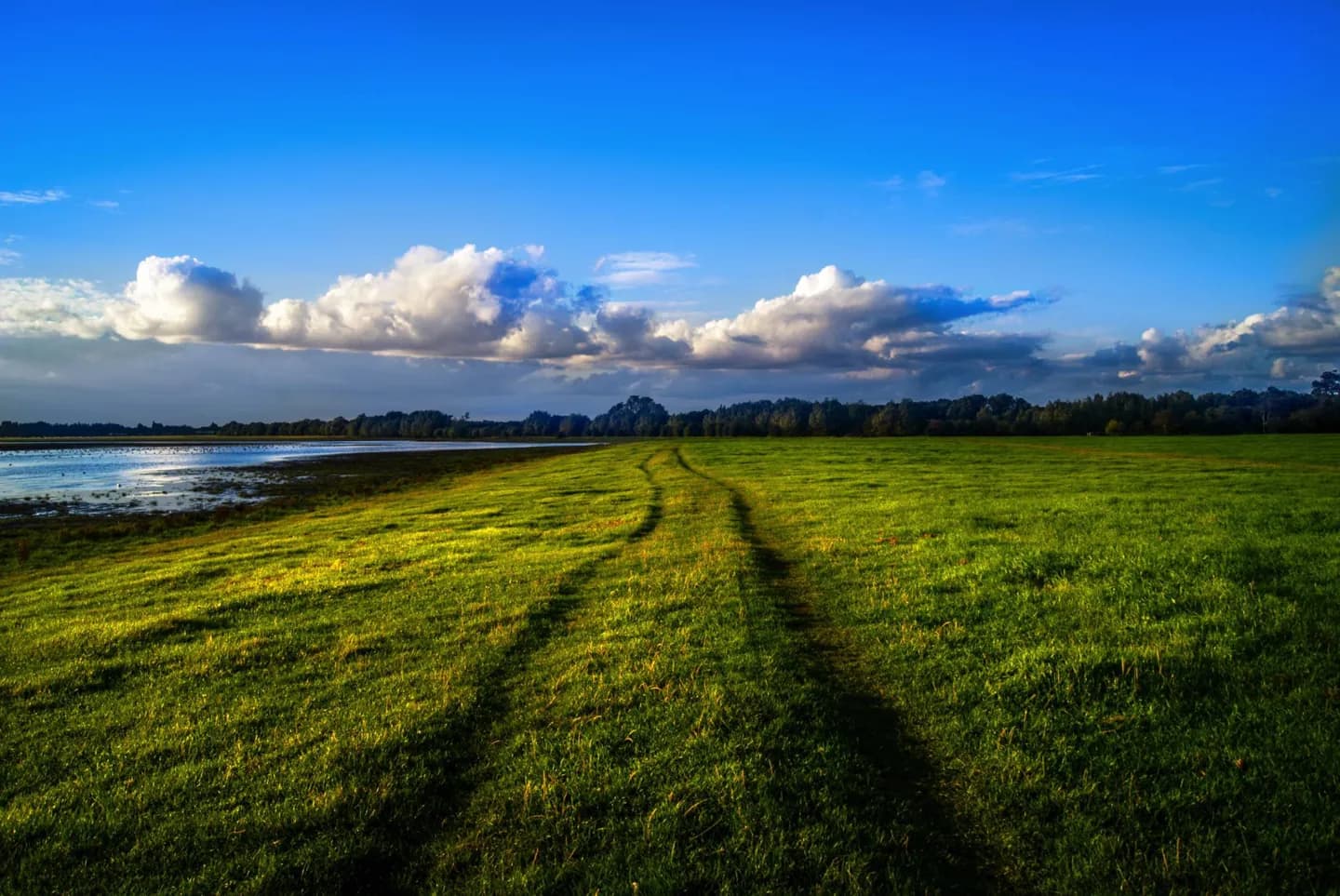
Port Meadow's open floodplain gives a very different experience from Oxford's enclosed colleges. Grazing animals, waterbirds and the long Thames edge make the landscape the focus. Its centuries-old common grazing rights also explain why the meadow remains open pasture rather than a formal park.
What to look for
- Horses and cattle graze the open common beside the Thames.
- Waterbirds gather around the floodplain and river edge.
- Archaeological earthworks hint at the meadow's long human history.
The full story
Port Meadow has been used as common grazing land for centuries. The Freemen of Oxford's right to pasture animals there is recorded in the Domesday Book of 1086, and horses and cattle still make that history visible. The meadow follows the Thames northwards from the city towards Wolvercote, remaining open where much of Oxford has been enclosed or built over. It is also a working floodplain. Water can spread across the grass in winter and after heavy rain, altering both the wildlife and the routes available to walkers. The ancient use of the land is not just a story attached to a viewpoint: it explains the grazing, the broad horizon and the absence of formal garden design. Watch the animals from a respectful distance, then look across the meadow to see how river, pasture and city sit beside one another.
Useful to know
- Approach from Walton Well Road or Aristotle Lane for a walk from north Oxford.
- Check ground conditions after rain or river flooding; paths may be wet or impassable.
- Give grazing animals space and keep to the public walking routes.
Your next visit
Estimated · Declared scenario and planning estimates; no live opening, weather, queue or booking service.
Outdoor visit · 30–45 min
World planning estimate; admission, opening, visit duration and access need checking.