
Why go
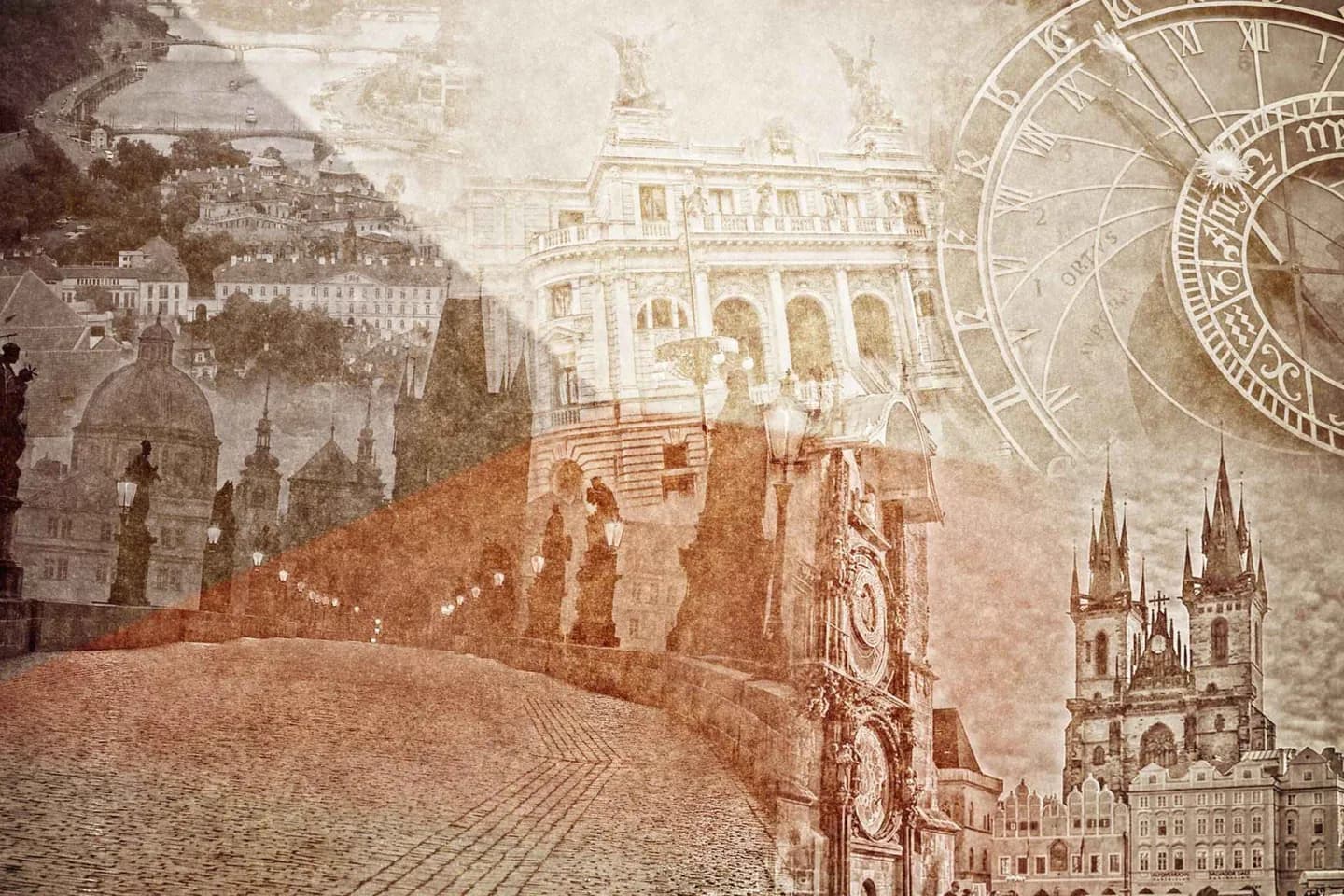
The city's history becomes easier to follow when you connect Prague Castle and Vyšehrad with the river, Charles Bridge and Nové Město. These places show how a fortified centre became a royal and imperial capital, then a modern national capital.
The full story
The Prague basin was settled long before the city took its familiar form. Fortified sites developed above the Vltava, with Prague Castle emerging by the ninth century and Vyšehrad following later. Trade crossed the river below them, helping settlements on both banks grow. Malá Strana formed beneath the castle, opposite the Old Town. Charles IV expanded Prague in the fourteenth century: he founded Nové Město beside the older town, began the Gothic cathedral at the castle and replaced the flood-damaged Judith Bridge with the bridge that bears his name. Later rulers and conflicts changed the city again. Rudolf II brought his court to Prague Castle; the Habsburg period left another layer of palaces and churches. The twentieth century brought Czechoslovak independence, Nazi occupation, Communist rule and the Velvet Revolution. Walking between the castle, bridge, Old Town and New Town makes those changes legible as more than a list of dates.