
Why go
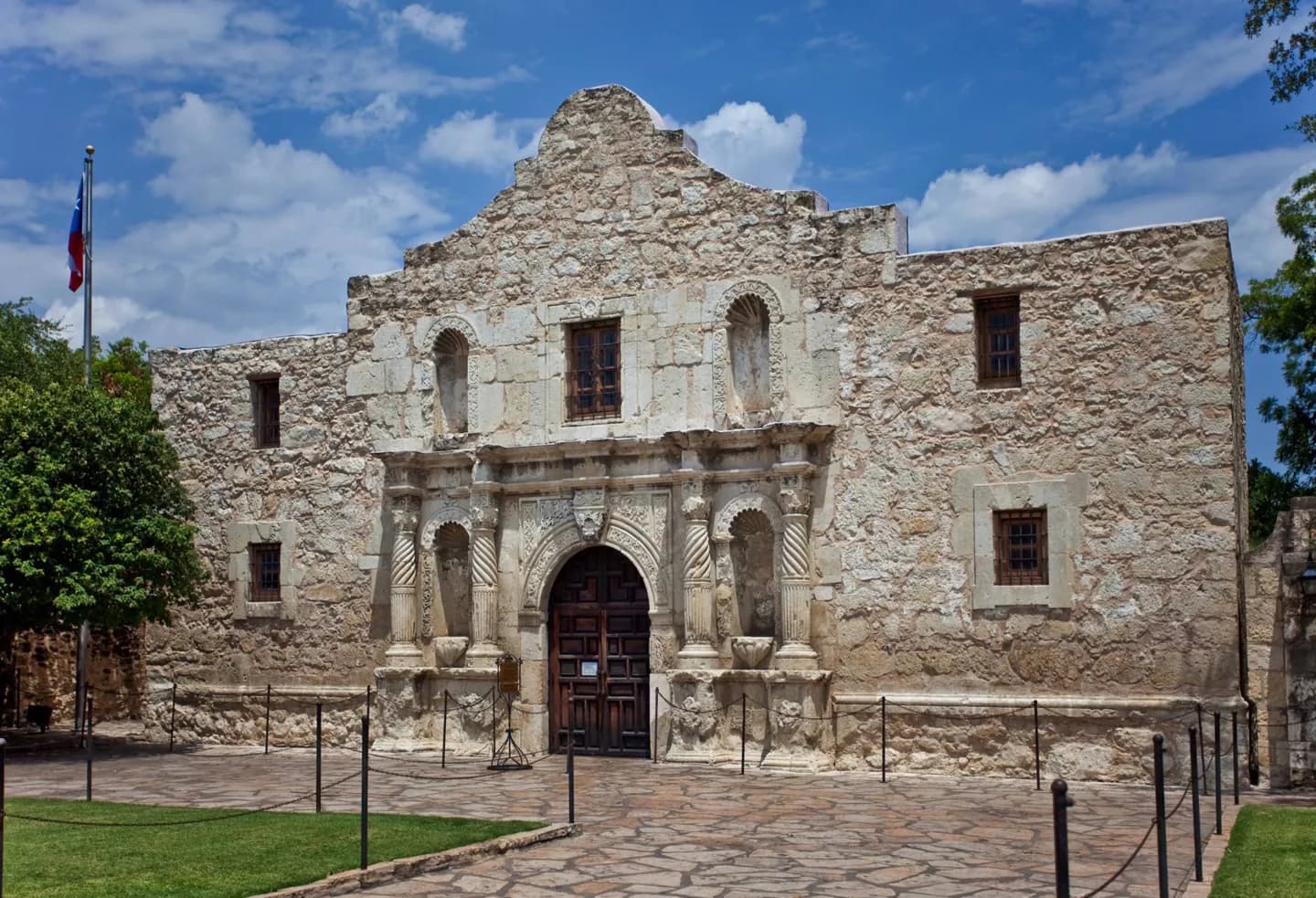
The Alamo is easier to understand when placed beside San Antonio's other missions and the river that supported early settlement. This history helps explain why a former mission became a battle site, and why downtown is only one part of the colonial landscape.
The full story
The Payaya lived near the San Antonio River and San Pedro Springs before Spanish settlement. A Spanish expedition named the river San Antonio in 1691, but a permanent mission and presidio came later. In 1718, Mission San Antonio de Valero and the Presidio San Antonio de Béxar established religious and military footholds on opposite sides of the river. Civilian families gathered nearby, and Canary Islanders joined the settlement in 1731. The mission that became the Alamo entered a different chapter during the Texas Revolution. Texian defenders held the old compound against Mexican forces until the battle ended on March 6, 1836; their defeat became a rallying point for the Texian army. The city's story continued well beyond that battle. Rail service reached San Antonio in 1877 and connected this inland center to larger markets. At the Alamo, look for the layered use of a mission building. At the missions farther south, the churches and grounds make the earlier colonial network easier to see.