
Why go
Buses make sense for the last part of a journey or for moving between districts without an awkward subway transfer. Seoul's color-coded network separates local neighborhood services, cross-city routes and longer-distance services, giving travelers a useful way to read the type of journey before boarding.
The full story
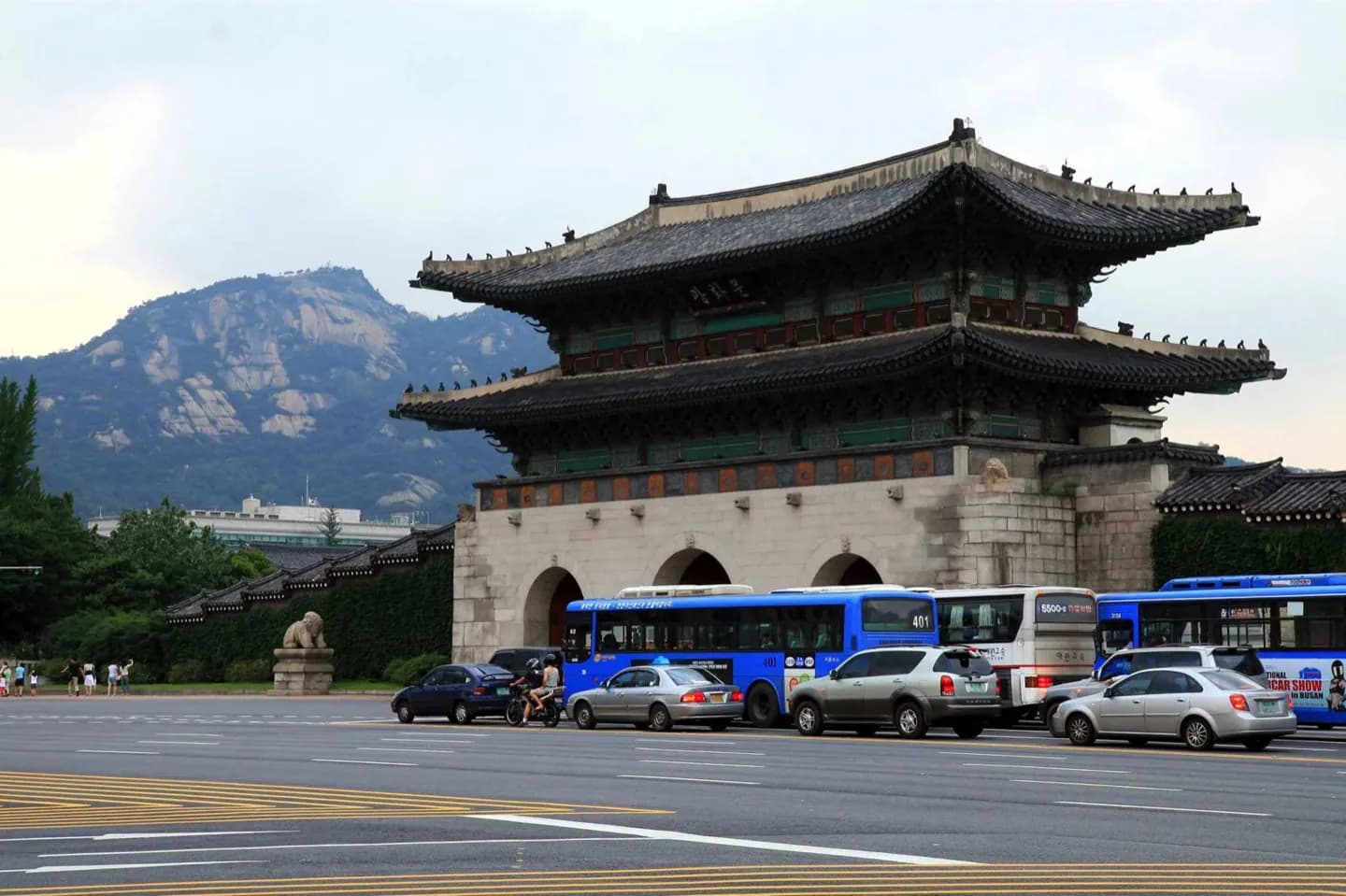
Seoul buses are most useful as a complement to the subway, especially when your destination is not close to a station. The network has used colors to distinguish broad route roles: green buses connect neighborhoods and subway stations, blue buses run across town, yellow buses make shorter central circuits, and red buses serve longer outward journeys. That system gives a first clue, but the route number and destination still decide whether a bus is right for you. Buses stop only at designated stops, so have the correct stop and direction settled before the vehicle arrives. For a visitor, the best use is often a short connection after a subway ride rather than a cross-city trip with many unknown turns. Current fares, transfer windows and route changes are operational, so verify them in an up-to-date transit planner before travel and watch the map as you approach your stop.
Useful to know
- Use buses for a neighborhood connection after the subway, not as your default for an unfamiliar cross-city journey.
- Confirm the route number, destination and stop in a current transit planner before boarding.