
Why go
Base a full day here when you want culture without abandoning outdoor space. The Vasa and Nordic museums sit near ferries and gardens, while longer paths lead away from the busiest cluster into meadows, woods and quieter waterfronts. Its shoreline also reveals Stockholm’s island geography at an unhurried pace.
What to look for
- The dense museum cluster near Djurgårdsbron.
- Waterfront walking routes linking cultural stops with open parkland.
- Forests and meadows that feel removed from the central city.
The full story
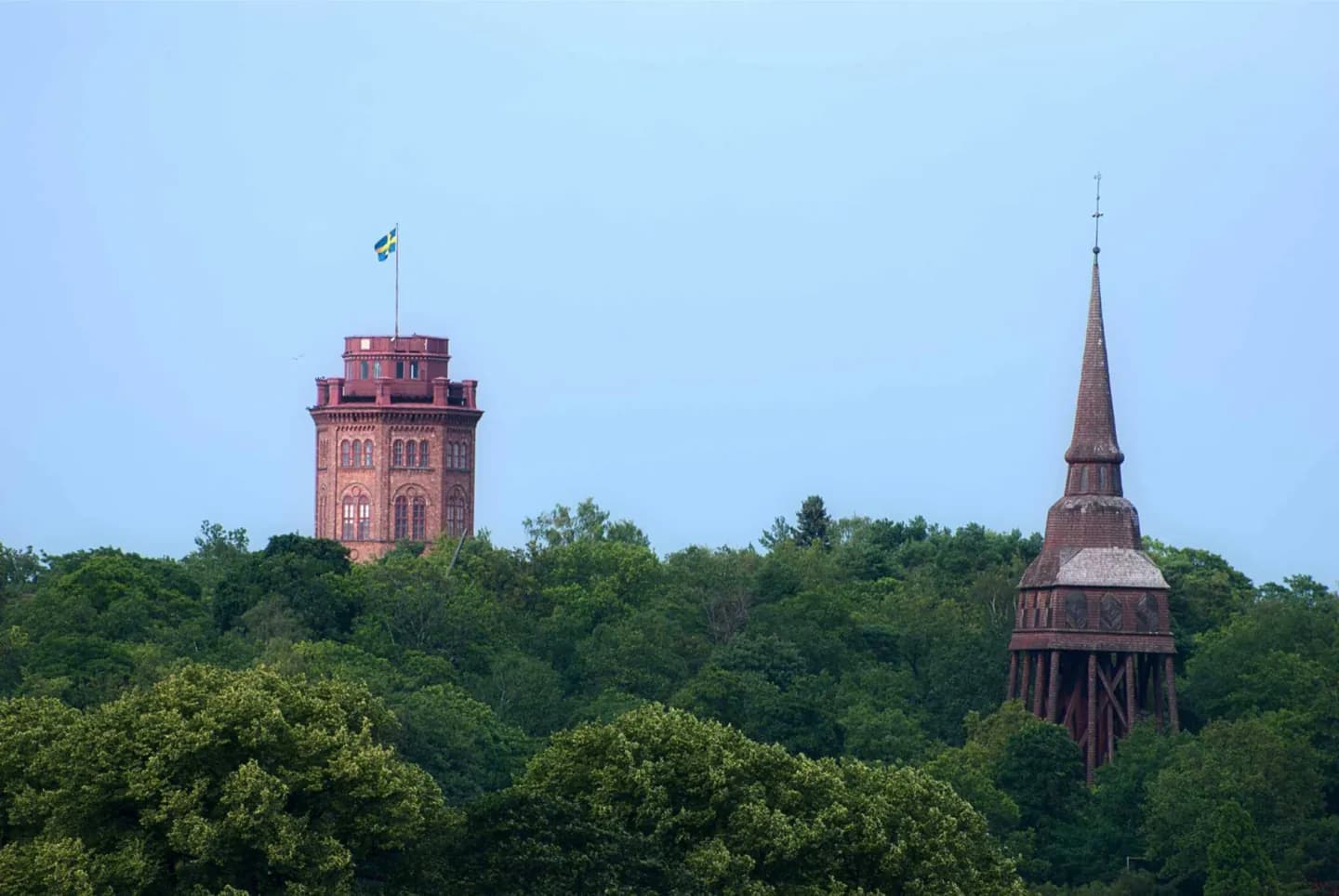
Djurgården is formally Kungliga Djurgården, the Royal Game Park. Swedish rulers used the island for recreation and hunting from the sixteenth century, but it gradually opened to the public and became one of Stockholm’s principal leisure landscapes. Today it belongs to the Royal National City Park and combines institutions that could each dominate a day: the Vasa Museum, Nordiska museet, Skansen, Gröna Lund and several galleries. Yet the island should not be reduced to attractions. Large areas remain wooded or open, with paths following the water and passing historic buildings, gardens and small residential enclaves. This mixture is the central appeal. A visitor can move from a preserved warship or cultural-history collection into a landscape where Stockholm’s island geography becomes tangible. Leave time between tickets; the transitions are part of the experience.
Useful to know
- Choose two major indoor attractions at most if you also want time outdoors.
- Use tram, bus or ferry for arrival, then explore the island mainly on foot.
Your next visit
Estimated · Declared scenario and planning estimates; no live opening, weather, queue or booking service.
Outdoor visit · 10–25 min
Public-space walk and exterior observation only; no interior, garden, tower or ticketed admission included. Durations and walking are estimates. Check temporary restrictions and park or market opening times.
Outdoor visit · 30–45 min
World planning estimate; admission, opening, visit duration and access need checking.