
Why go
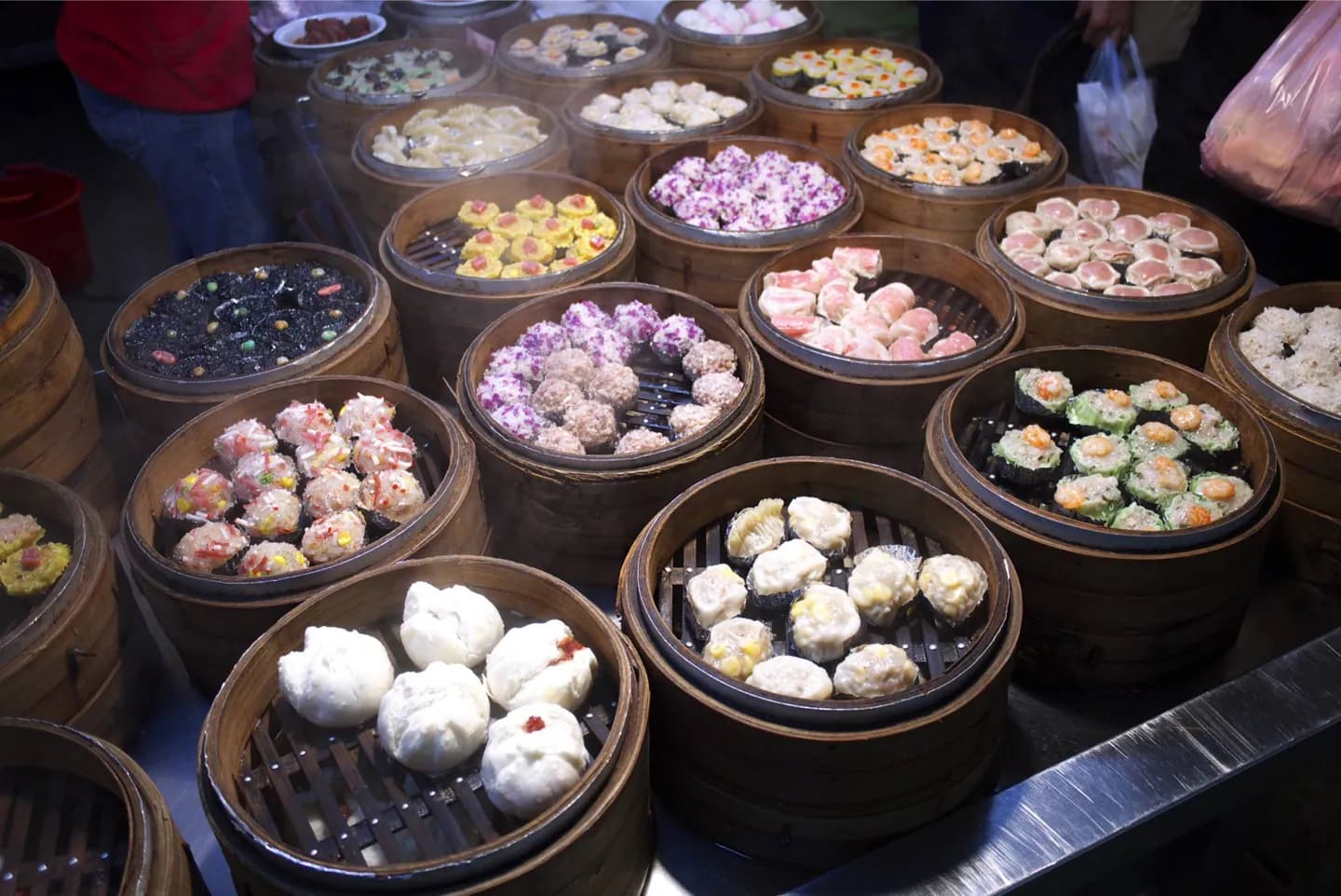
The island’s crowded coastline and varied migration histories make food a useful way to notice cultural layers. Compare a seafood dish with Hakka cooking or beef noodle soup rather than treating “Taiwanese cuisine” as one menu. Markets also show how tropical fruit and everyday ingredients shape local eating.
The full story
Taiwanese cuisine includes Hoklo traditions associated with migration from Fujian, alongside Hakka and Indigenous foodways. Later arrivals from other parts of China added further regional dishes, and the years of Japanese rule left another influence. Beef noodle soup illustrates this mix: beef was historically avoided by some people because cattle were valued for farm work and for religious reasons, yet the dish became widely popular after later culinary influences. The island’s geography matters at the table. Seafood is common, ranging from fish to squid and crustaceans. Pork, chicken, rice and soy are also recurring ingredients. A subtropical setting supports fruits such as papaya, starfruit, melons and citrus. Those categories are more helpful to a traveler than a rigid list of “authentic” dishes, because the food varies across communities and places. A market visit can reveal the ingredients; comparing a few different kitchens gives a better sense of how migration and coastal life meet in the cuisine.