
Why go
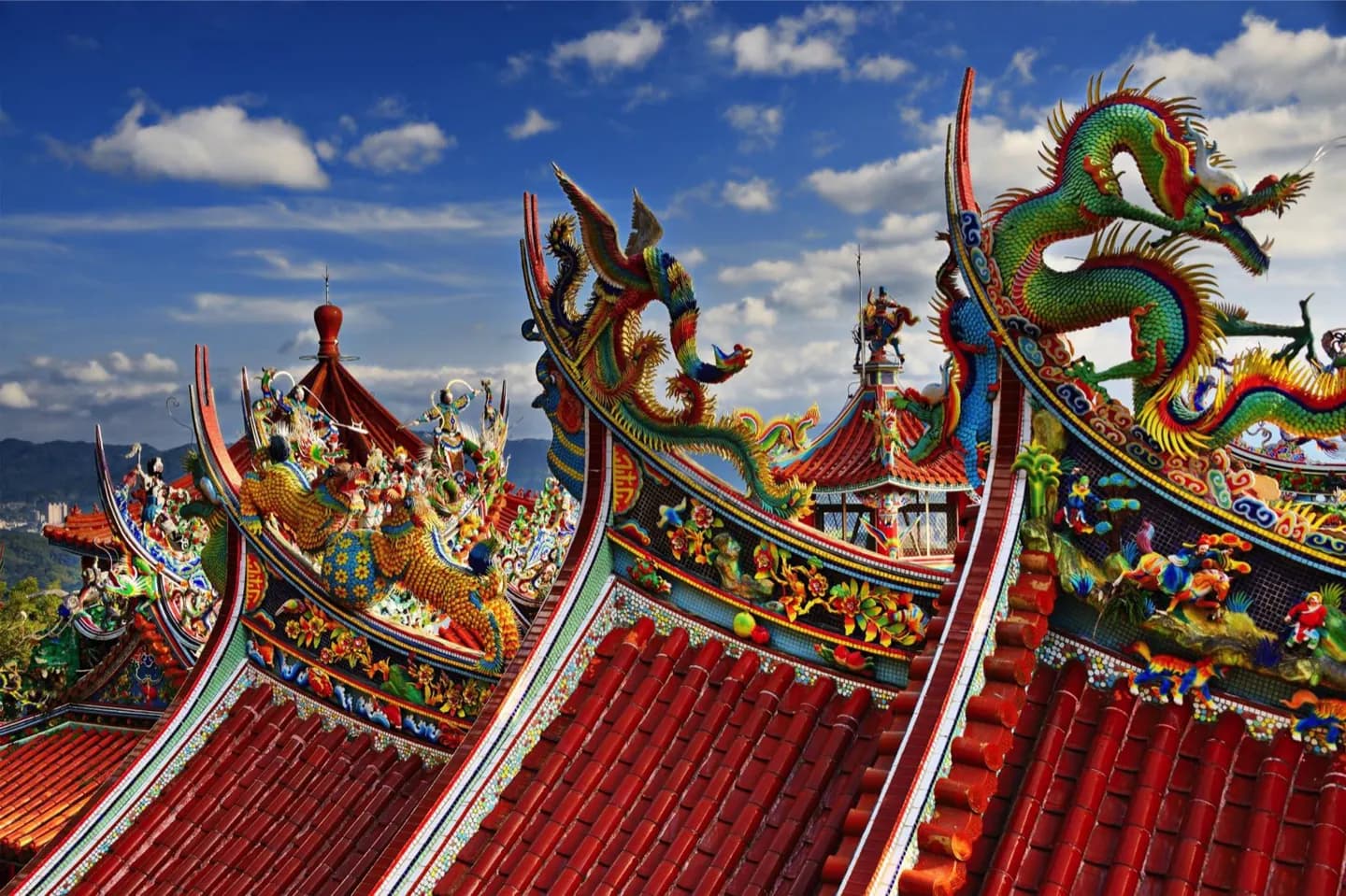
Historic ports such as Anping speak to maritime trade, Japanese-era stations reveal a different period of public works, and temples and Indigenous cultural spaces follow their own continuities. Seeing these layers together is more informative than treating Taiwan as a single borrowed culture. Listen for the language and community named at each site.
The full story
Taiwan’s cultural history reaches well beyond any one state or migration. Indigenous peoples lived on the island before seventeenth-century Dutch and Spanish footholds. Han settlers came in growing numbers, especially from the southern Chinese coast. The Qing frontier, Japanese colonial administration and postwar Republic of China government each changed institutions, public language and the built environment. Their effects are still legible, though no single period explains every community. The Japanese era brought schools, transport and new public buildings, along with pressure to adopt Japanese language and customs. After 1945, official culture shifted again under the Kuomintang government, while Taiwanese and Indigenous forms of expression faced restrictions. Later debate about cultural identity grew alongside greater recognition of multiple languages and histories. For a visitor, the question is concrete: whose story does a temple, railway building, memorial or museum tell, and whose is missing? Comparing places from different periods makes the layers easier to notice than a broad claim that Taiwan has only one culture.