
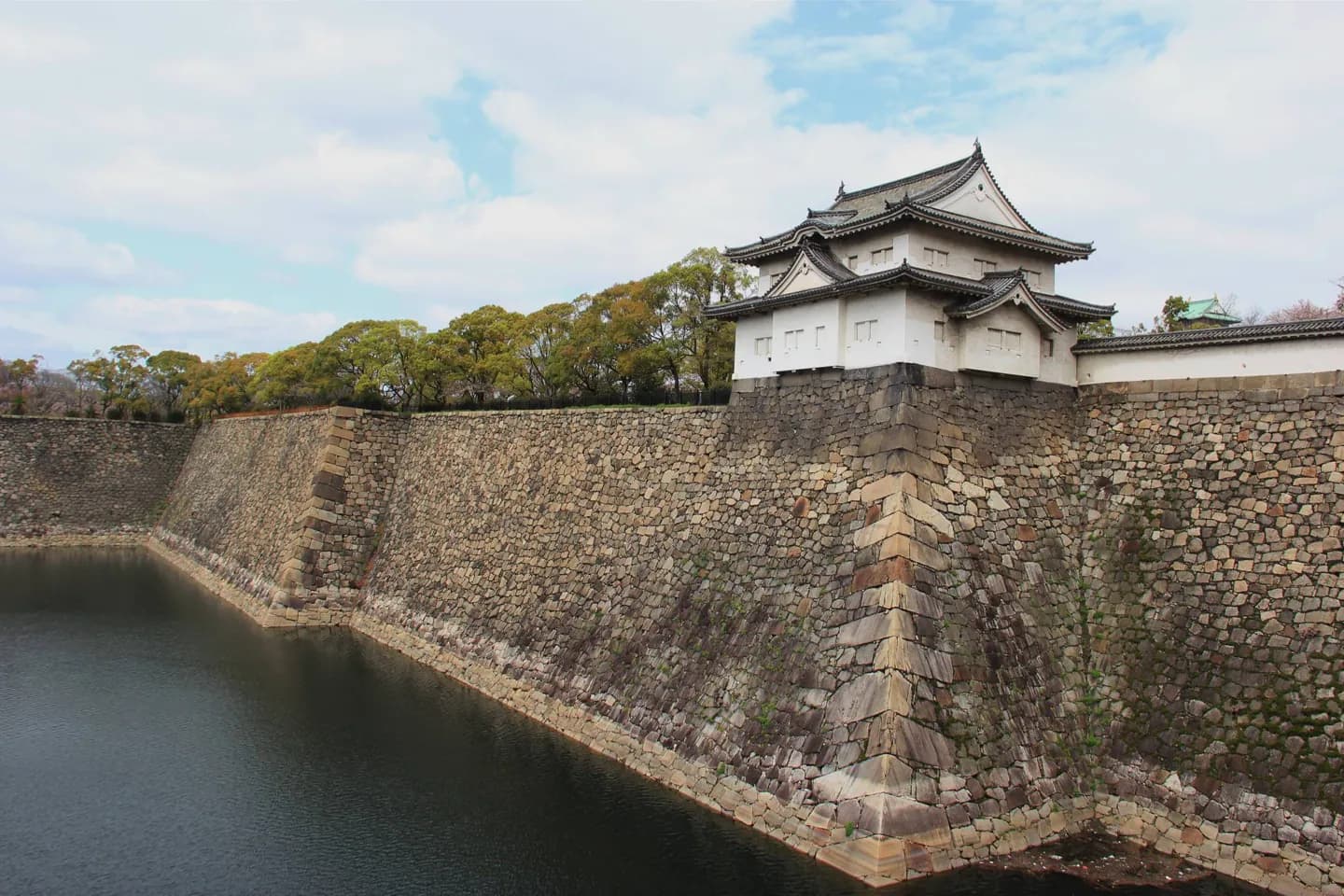
Why go
Railway towns, public buildings and industrial landscapes from this period show how colonial policy reshaped everyday space. Their appearance alone tells only half the story: Taiwanese and Indigenous communities faced unequal treatment, and uprisings continued. Read these sites alongside accounts of resistance to understand both modernization and its costs.
The full story
The Qing ceded Taiwan and Penghu to Japan after defeat in the First Sino-Japanese War. Some local officials proclaimed a short-lived Republic of Formosa in 1895, and Japanese troops faced resistance as they took control. Guerrilla fighting continued into the early twentieth century. Later rebellions included the Beipu uprising, the Tapani incident and the Wushe incident of 1930, which reflected opposition among different communities. Colonial authorities extended railways and transport networks, built sanitation systems and established formal schooling. Rice and sugar production increased as Taiwan’s resources were directed toward Japan’s needs. These changes left enduring physical traces, but the benefits and burdens were distributed unequally. Taiwanese and Indigenous residents faced discrimination, and Japanese campaigns against mountain Indigenous communities were especially violent. When visiting an old station, civic building or former production site, the useful question is what it was built to connect or extract, and whose lives it changed. Japanese rule ended with Japan’s surrender in 1945.