
Why go
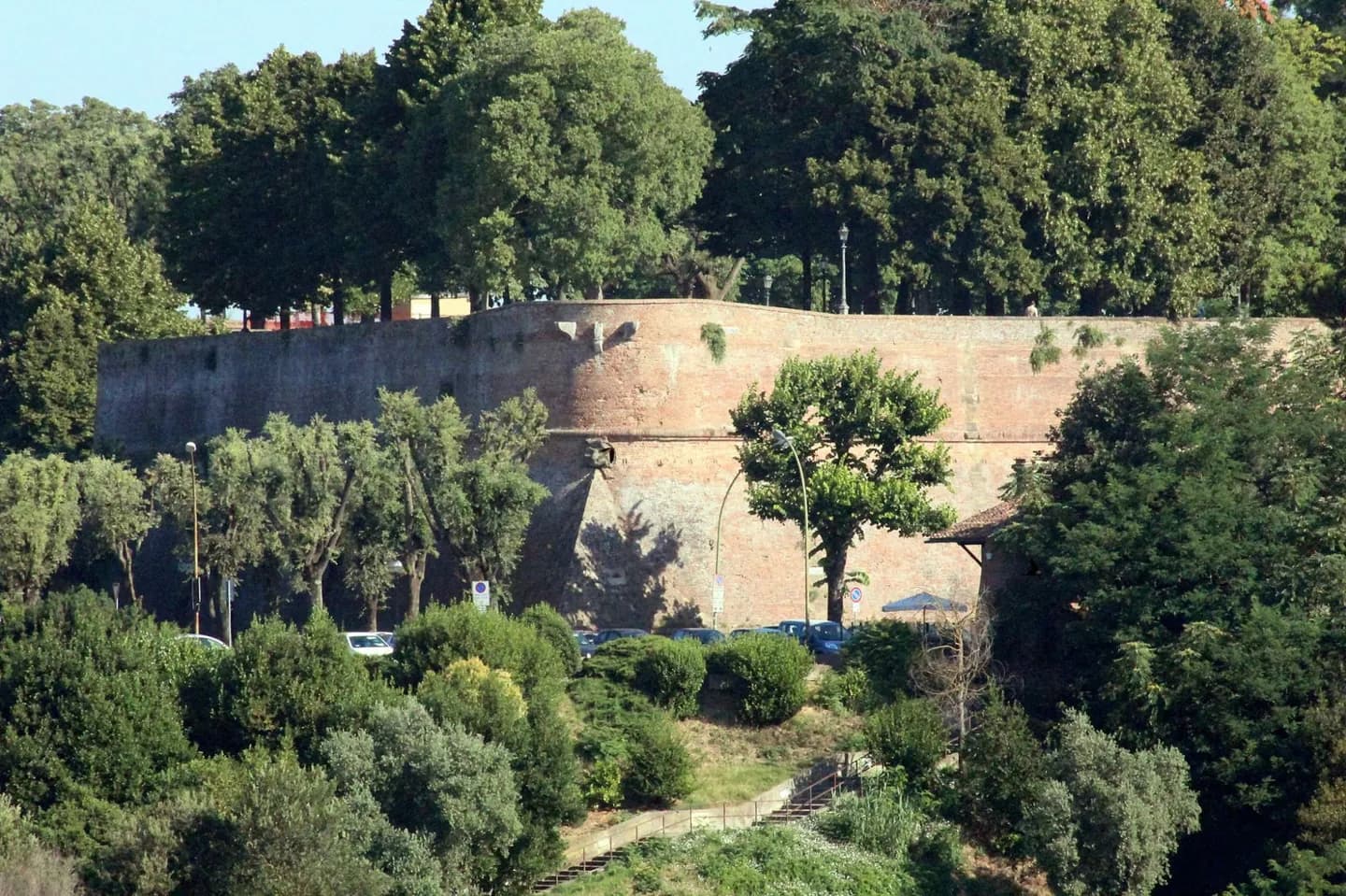
The ramparts give an elevated sightline to Torre del Mangia and the Duomo, while the military enclosure tells a less celebratory chapter of Siena’s history. It suits a walk that combines an open-air viewpoint with political context and room to see the fortress’s full scale.
What to look for
- The ramparts form a broad elevated walk.
- Views take in Torre del Mangia and Siena Cathedral.
The full story
Cosimo de’ Medici ordered the fortress after Florence and its allies brought Siena under their control in the mid-sixteenth century. It followed years of conflict: Sienese residents had earlier destroyed a Spanish-backed citadel, and the city surrendered after a long siege in 1555. The new stronghold, built in the 1560s, was therefore a political statement as well as a military work. Walking the ramparts today reverses its original purpose. What once watched over the city now gives visitors a broad view back across it, with the cathedral and Torre del Mangia rising from the historic center. The open space and tree-lined walls can feel detached from the crowded streets below, but the sightlines reconnect the fortress to the city it was built to control. Look at the scale of the enclosure before taking in the panorama: that sequence makes its historical role easier to read.
Useful to know
- Allow extra time to circle the walls rather than stopping at one viewpoint.
- Check local park access before an early or late visit; current gate hours are unconfirmed.
Your next visit
Estimated · Declared scenario and planning estimates; no live opening, weather, queue or booking service.
Outdoor visit · 30–45 min
World planning estimate; admission, opening, visit duration and access need checking.