
Why go
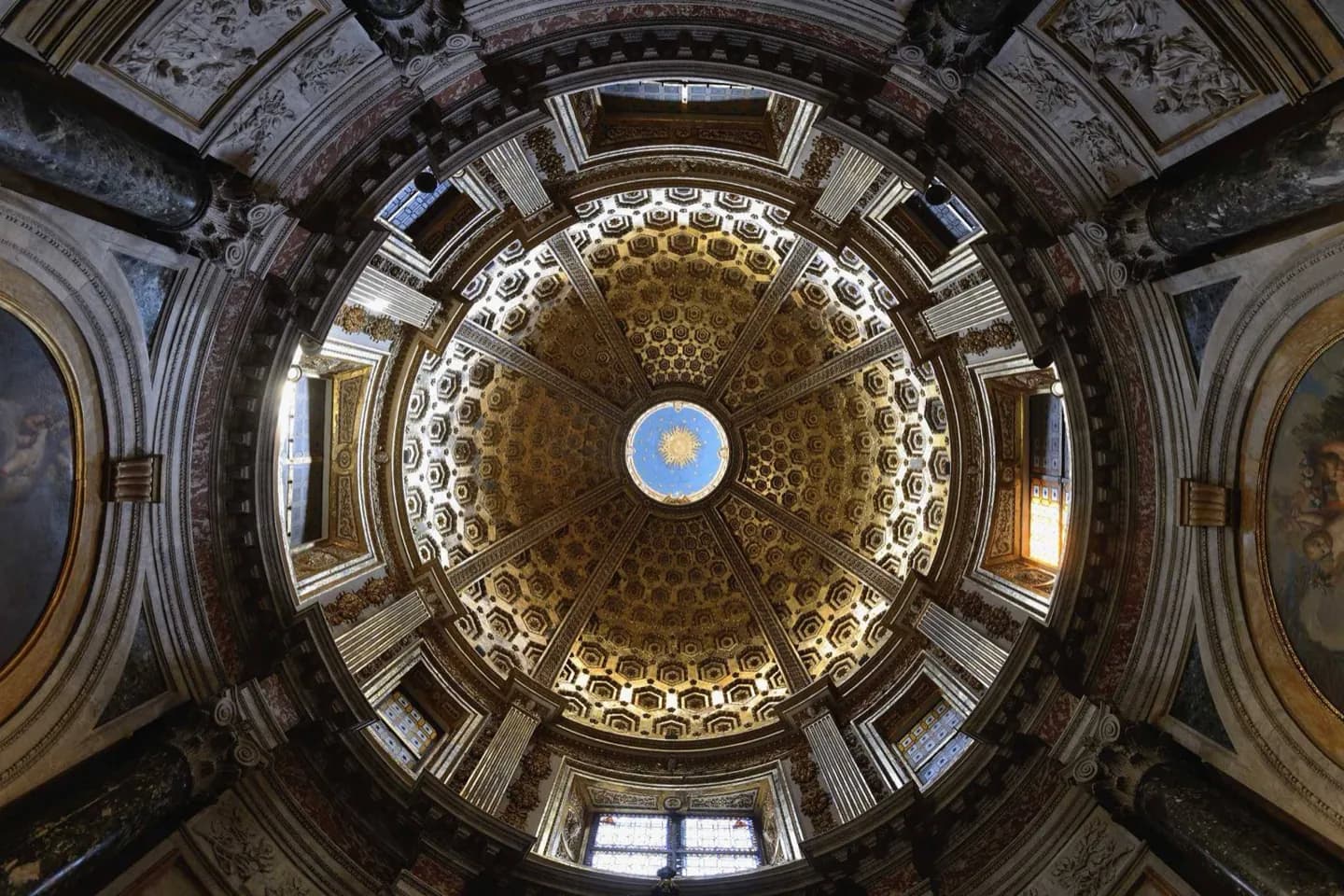
The cathedral turns Siena’s medieval ambition into visible art on every scale. Its black and white stone leads from the façade into a dense interior, while the unfinished expansion outside shows how large the city once intended the building to become.
What to look for
- Black and white marble stripes continue from the exterior into the nave.
- Nicola Pisano’s pulpit is a major sculptural focus inside.
- The inlaid pavement and Pinturicchio’s Piccolomini Library reward separate attention.
The full story
The cathedral took shape over an older sacred site during the 13th century, when Siena’s builders worked in alternating light and dark marble. Those stripes run through the exterior and interior, making the building feel coherent even as its sculpture and decoration accumulated over time. Nicola Pisano’s pulpit and the inlaid pavement reward close attention; the Piccolomini Library adds Pinturicchio’s brilliant painted rooms to the visit. Siena’s ambitions went beyond the cathedral that stands today. In 1339, builders began a vast new nave set across the existing church, a plan that would have more than doubled its size. Work stopped after the Black Death of 1348, and structural difficulties also stood in the way of completion. The surviving walls of that unfinished extension show the scale of the plan better than any description. Look at them after the interior: they turn the cathedral from a collection of masterpieces into a record of a city imagining a larger future.
Useful to know
- Check date-specific admission and floor visibility before visiting.
- Give the interior more than a quick pass, then look for the unfinished expansion outside.
Your next visit
Estimated · Declared scenario and planning estimates; no live opening, weather, queue or booking service.
Outdoor visit · 30–45 min
World planning estimate; admission, opening, visit duration and access need checking.