
Why go
Painted crosses and sculpture by Nicola Pisano sit alongside later works, making the museum a useful bridge between Pisa’s Romanesque buildings and Renaissance art. Give the collection focused time rather than treating it as a quick detour from the Leaning Tower.
What to look for
- Medieval painted crosses show Pisan devotional art at close range.
- Sculpture includes works associated with Nicola Pisano and Donatello.
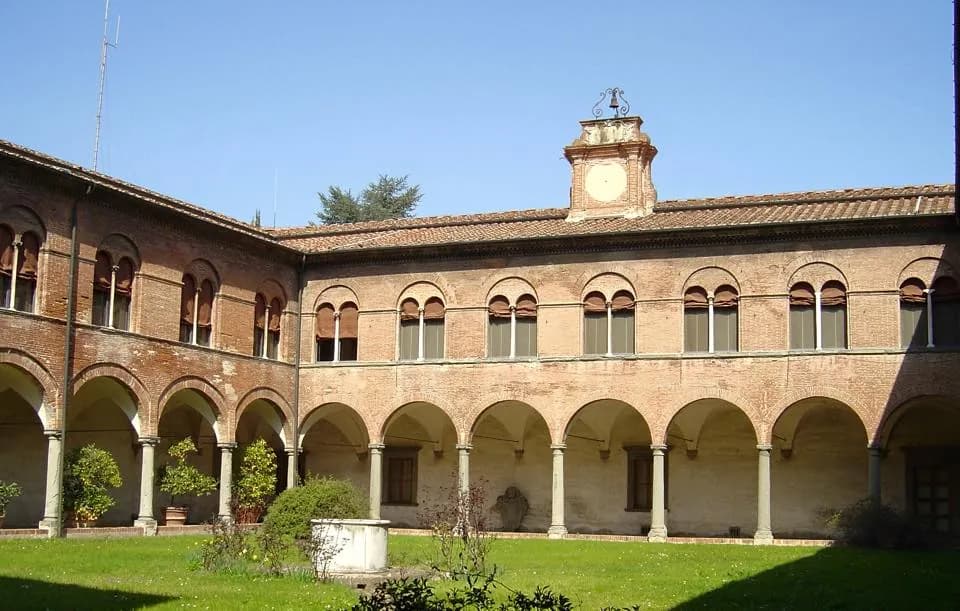
- The collections occupy the restored convent of San Matteo in Soarta.
The full story
The collection draws on churches and religious houses across Pisa and its surrounding area. Painted crosses, carved figures and manuscripts let visitors see works that once belonged to very different sacred interiors side by side. Nicola Pisano’s sculpture and works by Donatello mark changes in how artists shaped the human figure, while the paintings trace local styles across several centuries. The collection grew from an endowment made in 1796 by Pisa Cathedral canon Sebastiano Zucchetti. Further works entered after the Napoleonic suppression of religious institutions, and the Pisan civic museum took shape in the late 19th century. The present national museum opened in 1949 in the restored medieval convent of San Matteo in Soarta. That setting adds another layer: art moved from its original churches into a former religious building, where it can be compared closely rather than encountered one chapel at a time.
Useful to know
- Set aside a substantial museum visit if medieval art is a priority.
- Check the current museum timetable before crossing Pisa for it.
Your next visit
Estimated · Declared scenario and planning estimates; no live opening, weather, queue or booking service.
Indoor visit · 30–45 min
World planning estimate; admission, opening, visit duration and access need checking.