
The full story
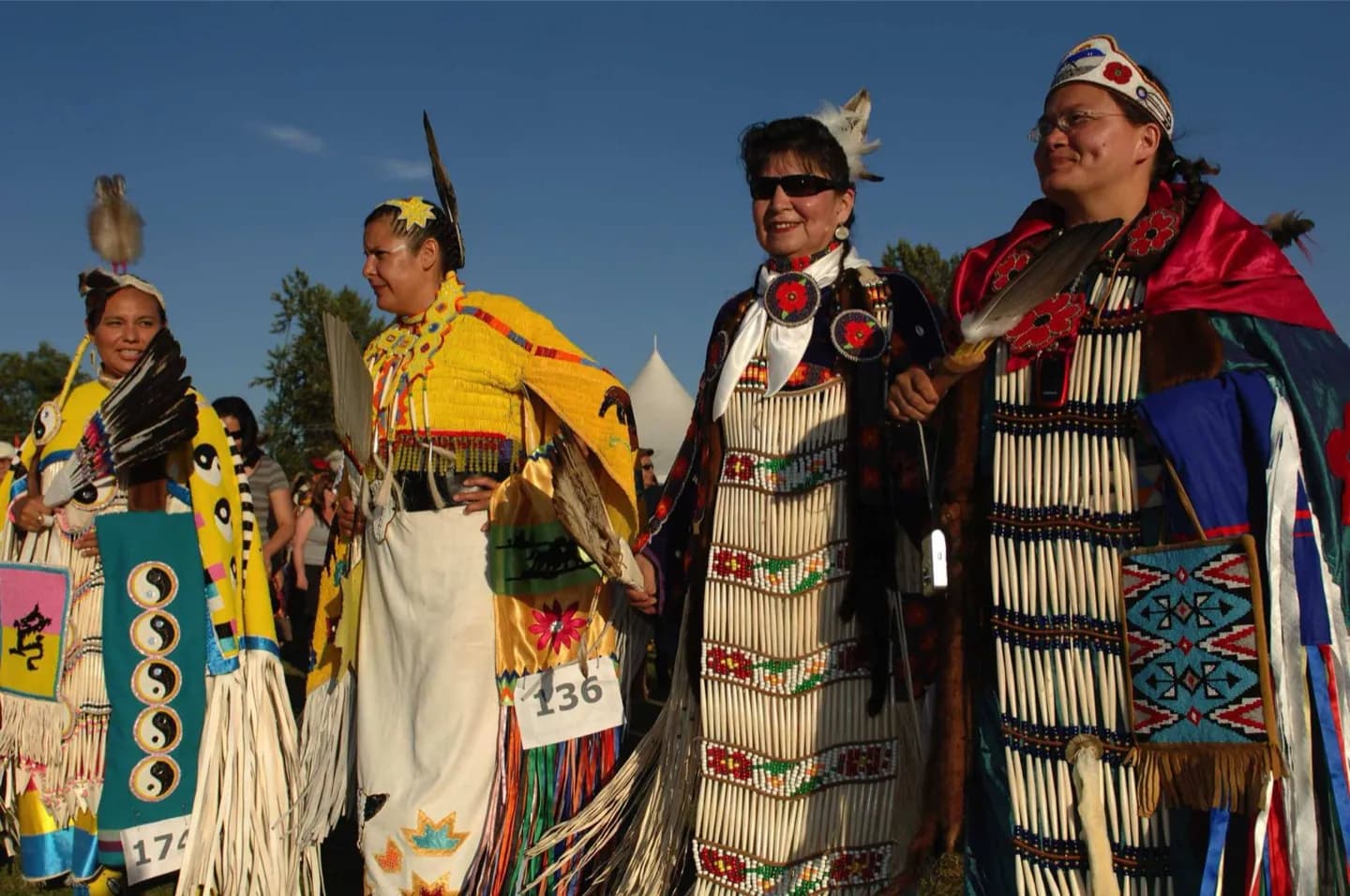
Vancouver stands on the traditional, ancestral and unceded territories of the Musqueam, Squamish and Tsleil-Waututh peoples, whose presence long predates the colonial city. The harbour, river and coastal forests shaped travel, food systems and community life before European arrival. Colonial settlement accelerated around sawmills and Gastown in the nineteenth century; the city incorporated in 1886, and the transcontinental railway connected its port to markets across Canada and the Pacific. That industrial history remains legible in Gastown warehouses, False Creek’s transformed shoreline and the working port. Later migration created one of Canada’s most culturally diverse metropolitan regions, particularly visible in Chinese Canadian institutions, neighbourhood food cultures and trans-Pacific connections. Vancouver’s familiar contrast—dense towers set against ocean and mountains—is not just scenery. It explains the city’s compact downtown, its dependence on bridges and ferries, and the ease with which a city walk can become a forest, beach or mountain outing.