
Why go
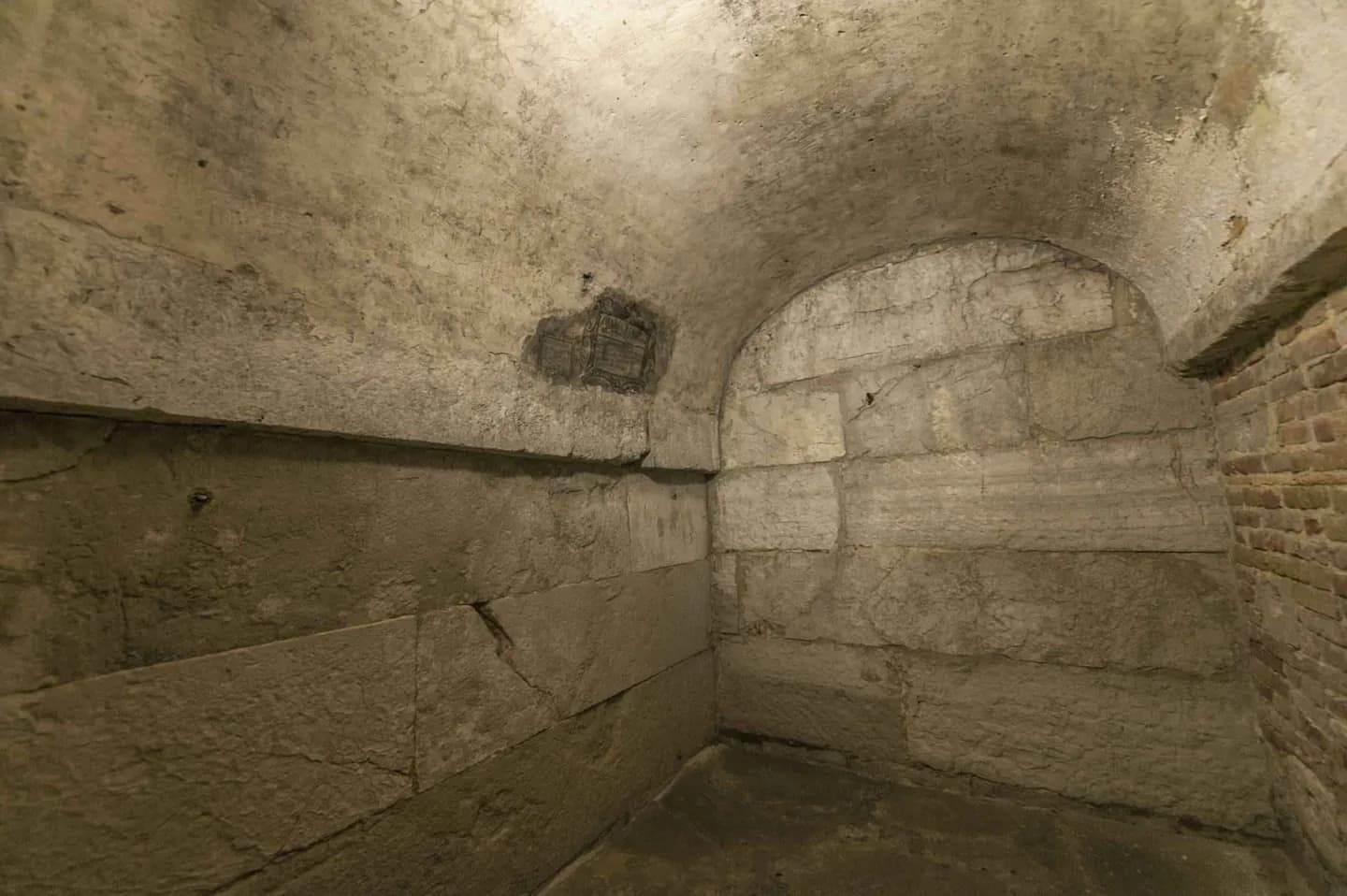
They add an essential counterpoint to the gilded council rooms. The Piombi and Pozzi show how the republic handled state prisoners, while the Bridge of Sighs links the old palace to the later prison building. This is history with a physical setting: stairs, corridors, windows, and water levels shaped confinement.
What to look for
- The Piombi were cells under the palace's lead-covered roof.
- The Pozzi occupied the lower level and were vulnerable to high water.
- The Bridge of Sighs connects the palace with the New Prisons across the canal.
The full story
The prison spaces of the Doge's Palace were divided between very different conditions. The Piombi, or lead chambers, lay beneath the lead-covered roof and became famous through Giacomo Casanova's account of his confinement. Lower down, the Pozzi—named for wells—were cells in the palace's ground-level prison area, where water could be an added problem during acqua alta. These rooms were intended for state prisoners and cases under the Council of Ten or state inquisitors; ordinary criminal justice used other prisons in the city. By the late sixteenth century, the palace's capacity was no longer sufficient. The New Prisons were built across the Rio del Palazzo and linked by the Bridge of Sighs, creating a direct passage between the judicial rooms and detention cells. The bridge is now a familiar exterior landmark, but its original meaning is clearest when paired with the enclosed corridors and cells inside the palace.