Chapter 1 / Venice
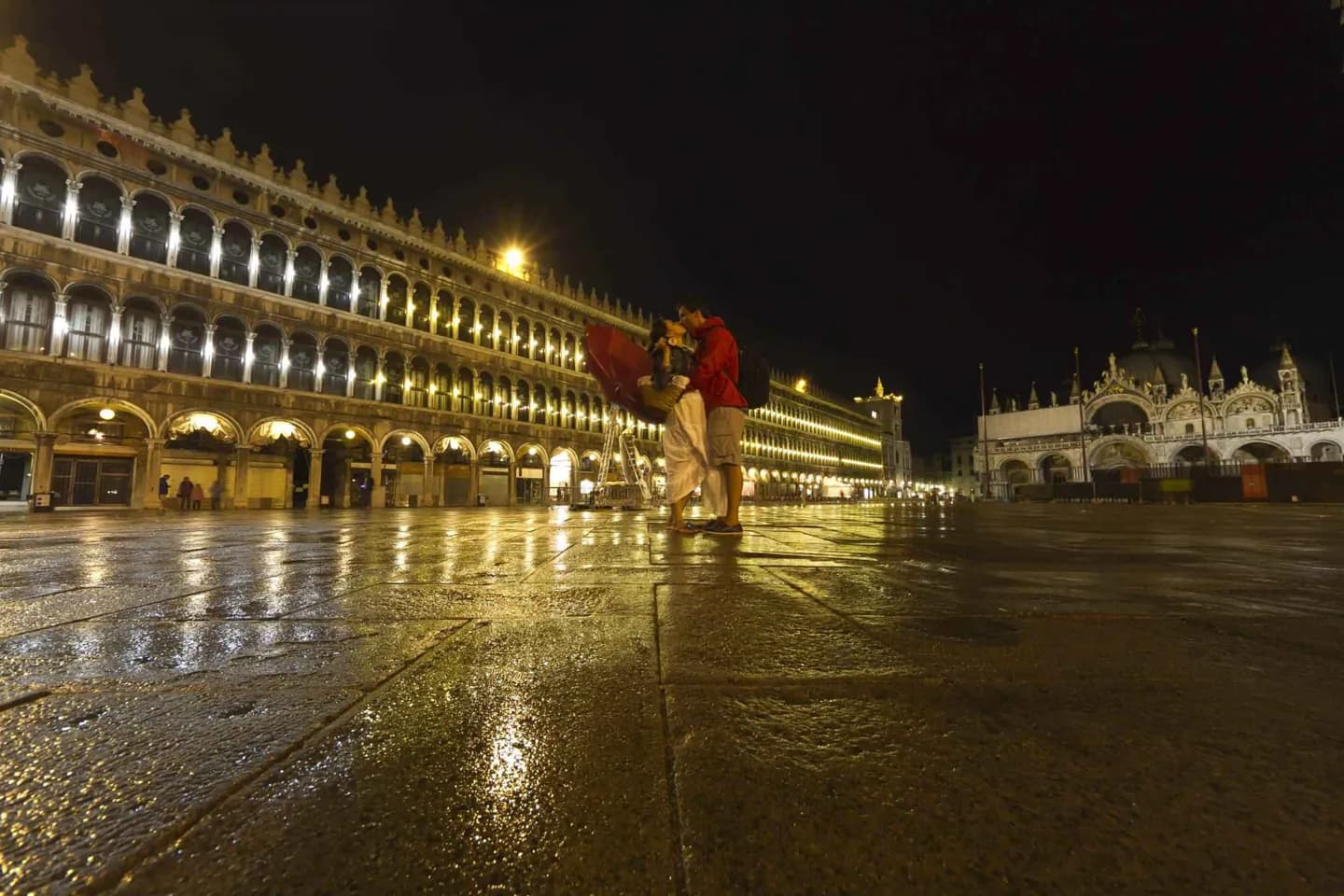
St Mark's Square.
Start with St Mark's Square. Let a detail decide which thread you follow next.
Pause here. What detail would you keep from this place?
Outdoor walks and façade observations. Interior admission is not included.
The full story
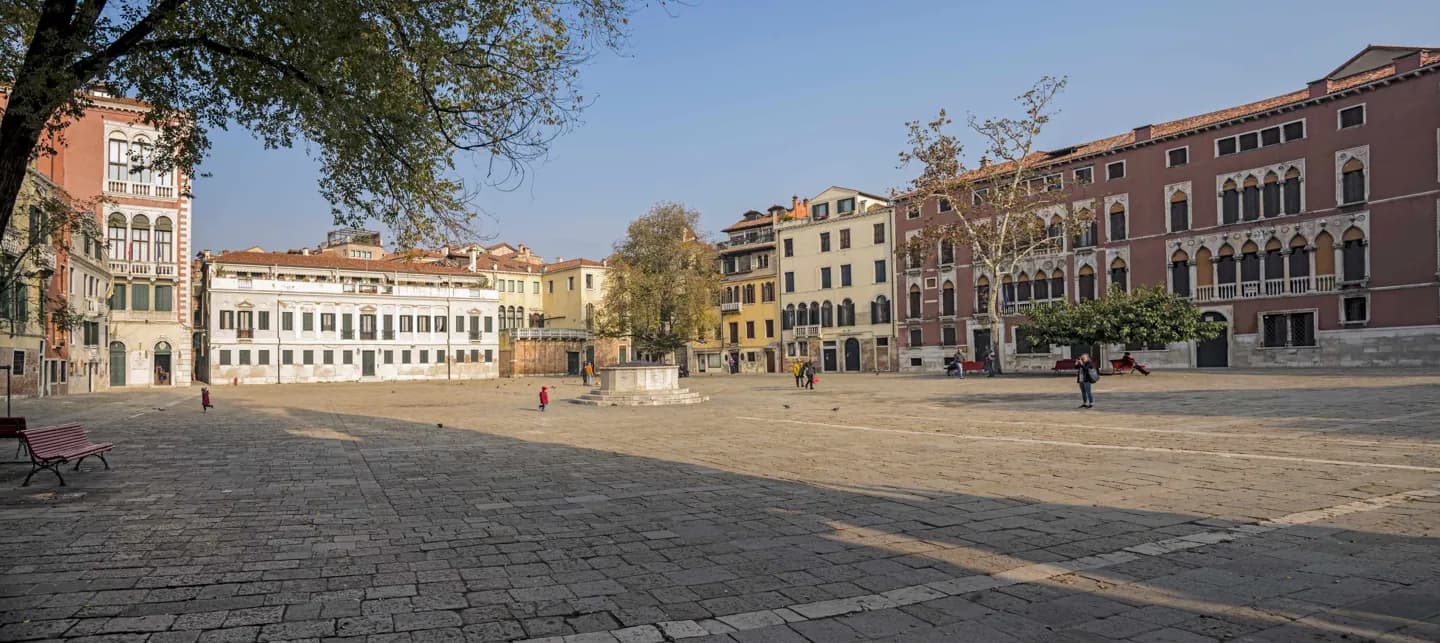
St Mark's Square brings Venice's religious and civic landmarks into one outdoor walk, with arcades around the Piazza and an open extension toward the lagoon.
The square makes the city's centres of authority easy to read together: the basilica, the Doge's Palace and the buildings of the Procuratie share the same public setting. Moving toward the water changes the experience from an enclosed architectural space to Venice's lagoon-facing ceremonial frontage.
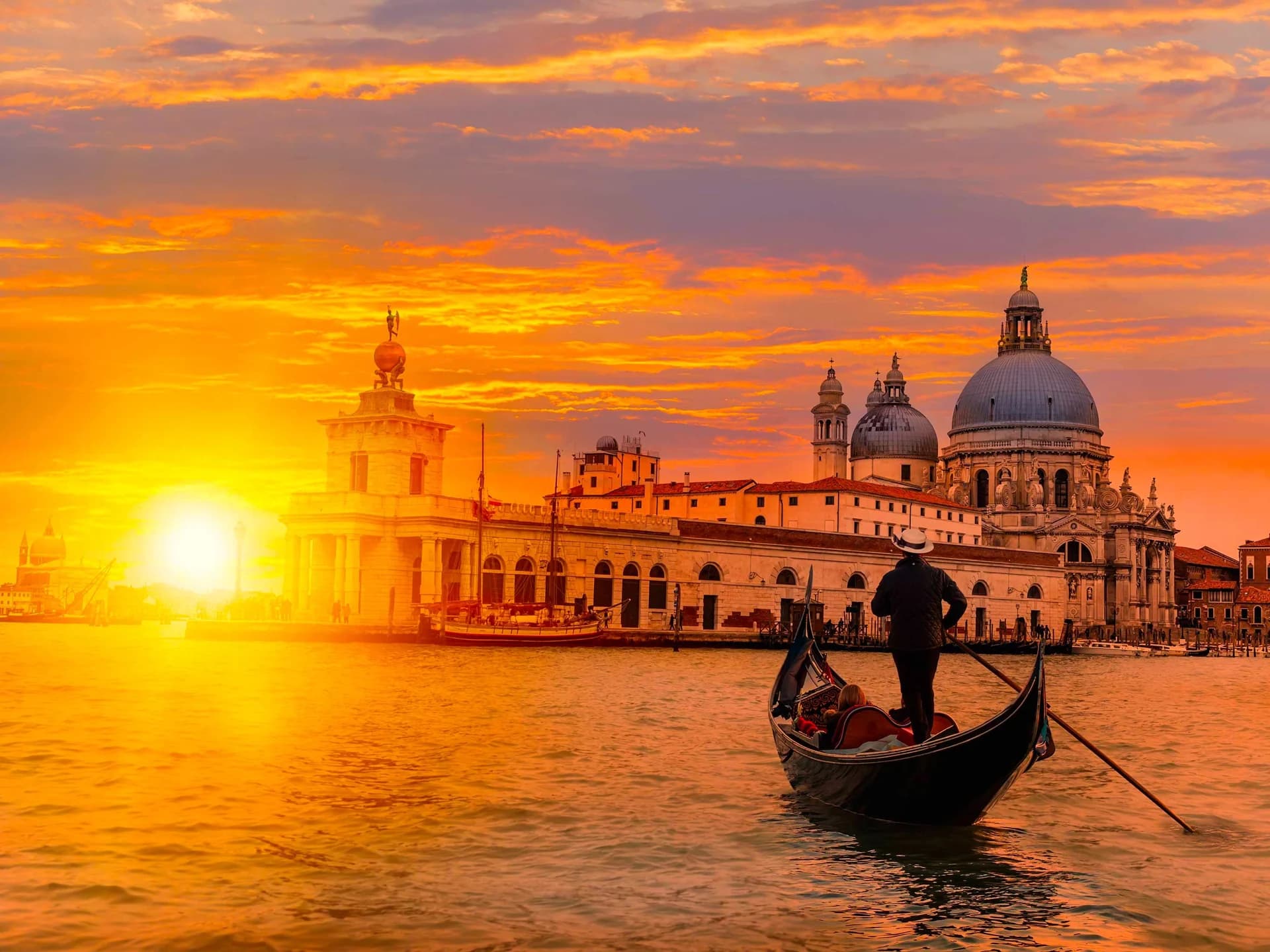
Venice usually calls its public squares campi, but this space is la Piazza. The distinction reflects its role as the shared stage for religion, government and public life. The smaller Piazzetta extends the square between the Doge's Palace and the Biblioteca Marciana, bringing that civic centre directly to the water. The statues above its two columns also tell a story of changing protection. St Theodore was an earlier patron of Venice; St Mark later became the city's defining saint, represented by the winged lion. The lion's own journey extends beyond the lagoon. French forces took the sculpture to Paris after the fall of the Republic, and it returned to Venice after Napoleon's defeat. Looking from these columns back toward the basilica connects a waterside gateway with the sacred imagery that Venice used to express its identity.
- The Clock Tower's arch opens onto the Merceria toward Rialto.
- Two columns in the Piazzetta carry the winged lion and St Theodore.
- The Ala Napoleonica closes the end of the square opposite the basilica.
Walk the Piazza and its lagoon-facing Piazzetta before choosing which adjoining monument to enter.
Check the current tide forecast before a San Marco walk; high water can flood the square.
What is pulling you next?
Another door into this story