
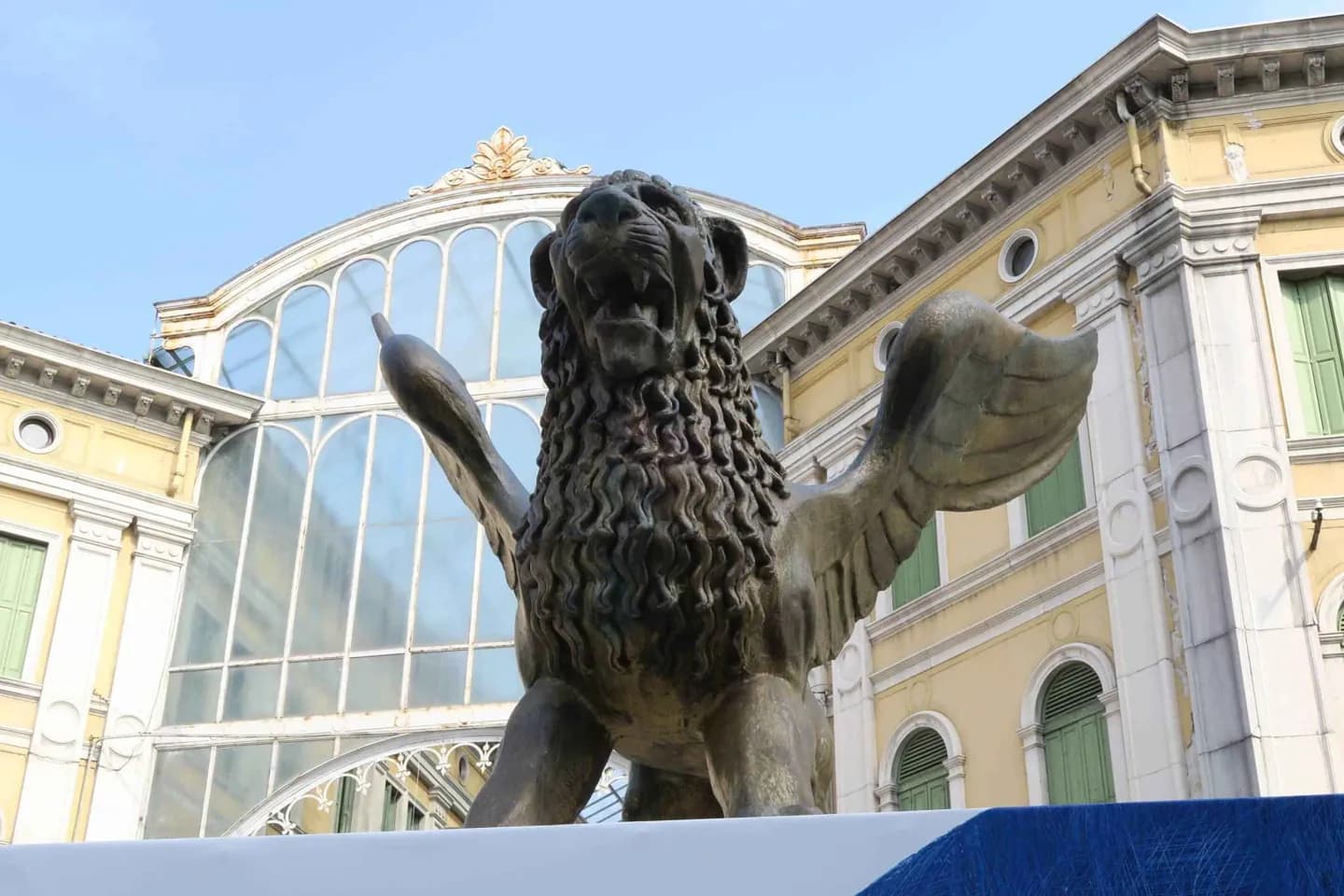
Why go
The Biennale offers a counterpoint to Venice’s historic art. It places current work in a city known for Renaissance painting and Byzantine mosaics, inviting visitors to move between contemporary exhibition spaces and the older architecture that frames them. This contrast makes both the city’s past and its current cultural debate easier to see.
What to look for
- The Biennale connects Venice with international contemporary art and national presentations.
- Its contemporary focus contrasts productively with Venice’s historic visual culture.
The full story
The Venice Biennale belongs to the city’s long tradition of international cultural exchange, but its focus is contemporary art. It brings artists, national presentations and changing curatorial ideas into Venice, creating a temporary conversation with a city already dense with historical imagery. That contrast is part of its value. St Mark’s Basilica and the Doge’s Palace show art serving religious and civic authority; Biennale exhibitions introduce work made for present questions and international audiences. The experience is therefore not only about individual artists. It is also about how a living exhibition occupies Venice’s built environment and changes what visitors notice about scale, materials, national identity and public space. Check the current edition’s official information for venues and access. Its temporary presence makes Venice’s long history of cultural exchange feel immediate.
Useful to know
- Choose a limited set of venues rather than trying to cover an entire edition in one visit.
- Check the official programme for current venues, dates and access details.