
Why go
Wine is a useful regional lens for Venice because the city has long been connected to Veneto’s agricultural hinterland. Knowing a few place names—Soave, Valpolicella, Amarone, Bardolino and the Colli Euganei—helps distinguish regional styles without pretending they are all made in the lagoon.
What to look for
- Soave is associated with Garganega from the Veneto’s cooler northern areas.
- Valpolicella, Amarone and Bardolino are major regional red-wine traditions.
- The Colli Euganei near Padua are known for Moscato fior d’arancio.
The full story
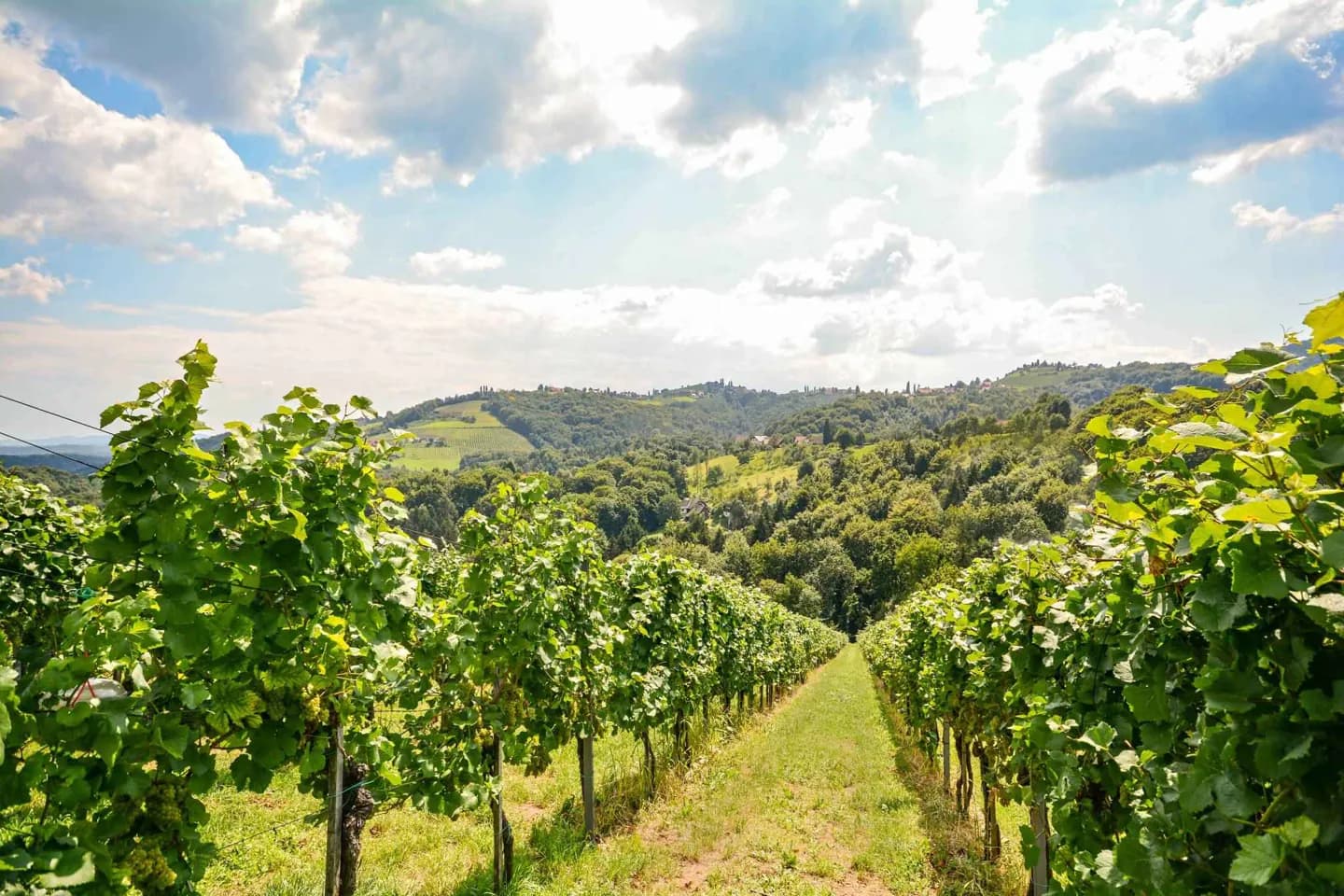
The Veneto is not one wine landscape. Its northern foothills are cooler, while Adriatic plains, river valleys and the Garda area create different growing conditions. Garganega is associated with Soave, while Valpolicella, Amarone and Bardolino represent prominent red-wine traditions. The Colli Euganei near Padua offer another distinctive setting and are known for Moscato fior d’arancio. Producers also work with varieties such as Glera and Verduzzo, alongside international grapes. Venice is the place to taste the region’s wine culture, not to mistake every bottle for a city product. That distinction matters because the city’s historic role was as a trading and consuming centre connected to a broad mainland territory. Regional names therefore matter more than a vague label of Venetian wine.
Useful to know
- Read the origin on a bottle to distinguish Venice-linked regional wine from lagoon-made claims.
- Try contrasting a Veneto white with a regional red to understand the area’s varied conditions.