
Why go
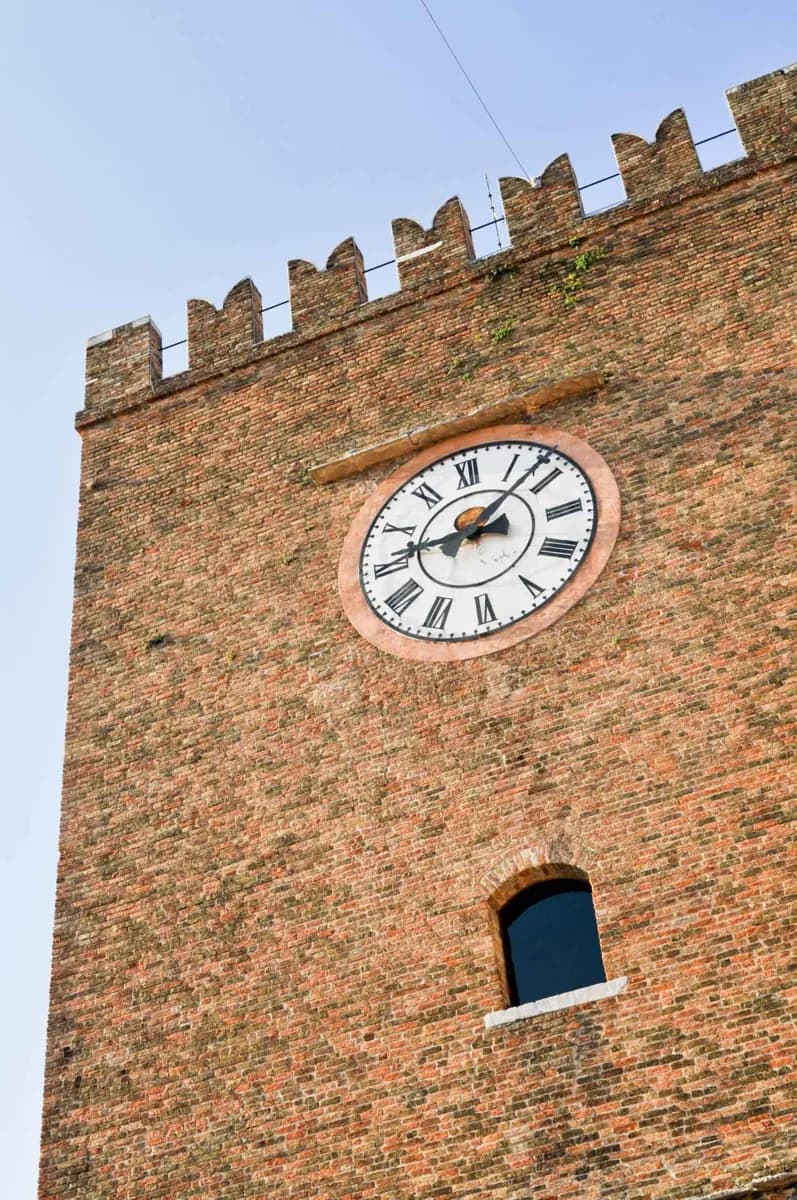
The contrast is geographic and practical: Mestre developed on ordinary mainland streets rather than on a network of islands. The Ponte della Libertà connects it with Venice across the lagoon. A short central walk can add the Torre dell'Orologio to that perspective, but this area serves a different purpose from an island monument circuit.
What to look for
- The Torre dell'Orologio survives in Mestre's centre.
- The Ponte della Libertà carries the mainland connection across the lagoon.
The full story
Mestre briefly held separate city status before becoming part of the municipality of Venice. That administrative change did not make its geography identical to the island city. It remained a mainland settlement linked to Venice by a long crossing over the lagoon. Rapid growth after the Second World War joined it more closely with neighbouring urban areas. In ordinary speech, Mestre is sometimes used for the whole Venetian mainland, although places such as Marghera and Carpenedo have their own identities. This distinction matters when reading an accommodation address or choosing a starting point. The result is a city whose municipal boundaries encompass markedly different landscapes. Mestre's streets and the lagoon islands belong to the same wider Venice, but moving between them requires transport and changes the experience on the ground. The mainland centre is therefore best understood through its own urban history and connection with the lagoon.
Useful to know
- Keep travel between Mestre and the island city separate from walking time in either centre.
- Check the current mainland connection you need before planning a return from the historic centre.
Your next visit
Estimated · Declared scenario and planning estimates; no live opening, weather, queue or booking service.
Outdoor visit · 45–90 min
World planning estimate; admission, opening, visit duration and access need checking.