
Why go
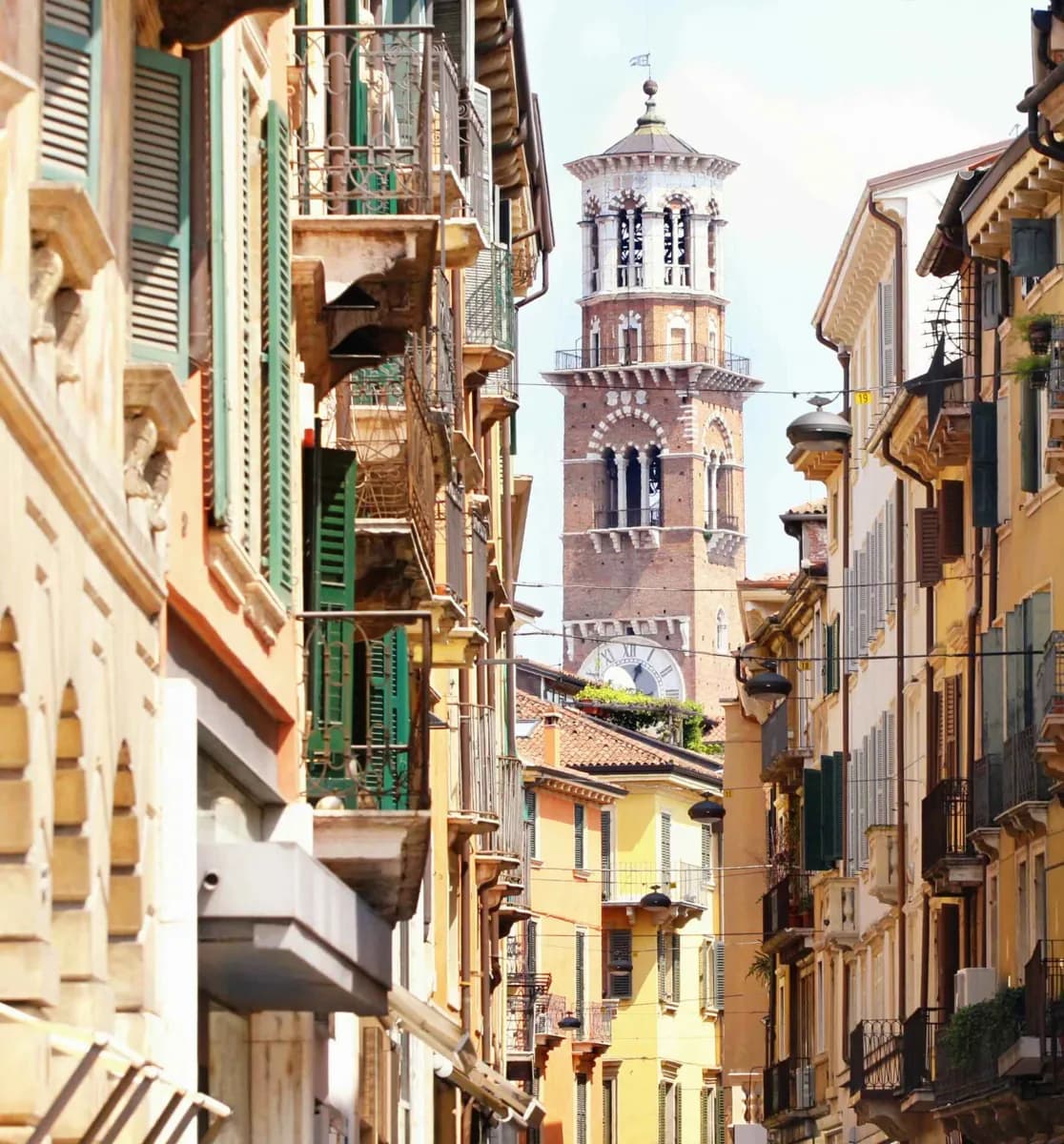
The Arena gives Verona a monumental Roman focus distinct from Venice’s maritime architecture. The Adige supplies another organizing feature for exploring the city, while the surviving urban fabric reflects centuries of later rule. Literary associations add interest, but the physical relationship between amphitheatre, river and historic city gives the excursion its strongest foundation.
What to look for
- The Roman Arena survives within Verona’s urban setting.
- The Adige forms a defining waterway through the city.
The full story
Verona became important under Rome partly because several roads met there. Its amphitheatre, the Arena, remains the clearest large-scale reminder of that period and later acquired a further cultural life through opera performances. Roman infrastructure and subsequent use therefore meet in the same monument. The city then passed through successive political systems, including Ostrogothic and Lombard rule before later medieval governments. Rather than following every change of ruler, a visitor can read Verona through the continuity of its urban setting and the different architectural periods within it. The Adige remains a geographic anchor across that long history. Shakespeare’s plays gave Verona a powerful literary identity, particularly through Romeo and Juliet and The Two Gentlemen of Verona. There is no secure evidence that he visited the city. That distinction helps separate a literary association from the physical history of the places being explored: the stories add a cultural layer, while the city’s Roman and later architecture stands independently of them.
Useful to know
- Make Verona a separate city day rather than adding it to a hurried Lake Garda circuit.
- Check the Arena programme separately if an opera performance is part of the plan.
Your next visit
Estimated · Declared scenario and planning estimates; no live opening, weather, queue or booking service.
Outdoor visit · 240–420 min
World planning estimate; admission, opening, visit duration and access need checking.