
Why go
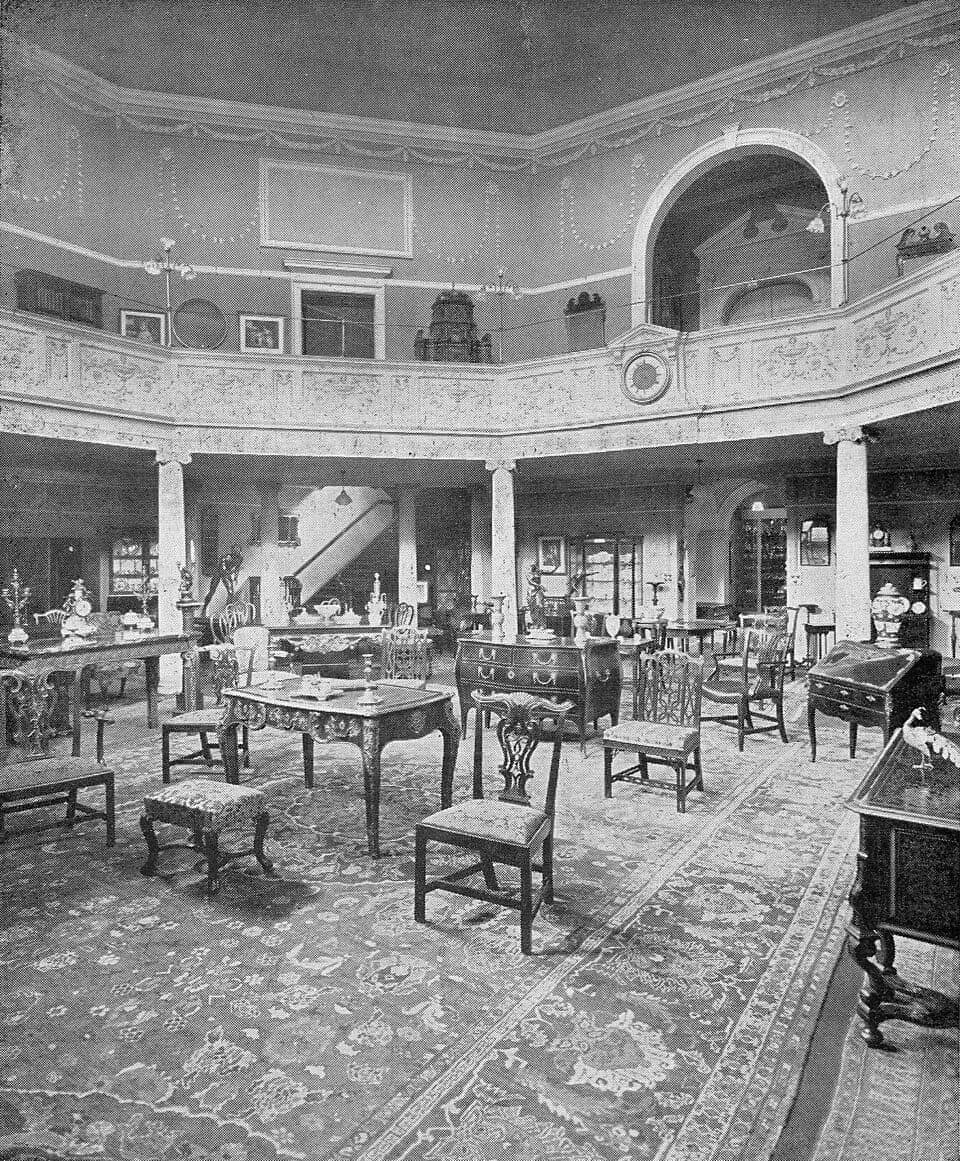
Thomas Lightholder designed the 1767 chapel to be warm and well lit, qualities still legible in its octagonal interior. The building later served as an antiques showroom and exhibition space before its present commercial use. A drink or meal gives access to the interior; this is not an independent heritage museum.
What to look for
- The octagonal room preserves the former chapel’s unusual plan.
- The mezzanine gives a view down toward the bar.
- The bright interior reflects the chapel’s original design brief.
The full story
The Octagon Chapel opened in 1767 to a design by Thomas Lightholder. His brief called for a space that was warm, comfortable and well lit, which helps explain the shape and brightness visitors can still notice inside. Because the leasehold building was never consecrated, it could take on other uses after worship ended. Mallett Antiques adapted it into showrooms, adding workspaces and storage; later it served public purposes during the war and housed art exhibitions. The present restaurant and bar continue that long sequence of reuse. Look up from the centre of the room and then across it from the mezzanine to grasp the octagonal plan. The interest lies in seeing a Georgian chapel survive through several very different occupations.
Useful to know
- Visit during the current venue’s operating times if you want to see inside.
- Combine it with Milsom Place or nearby Milsom Street rather than making a separate heritage trip.
Your next visit
Estimated · Declared scenario and planning estimates; no live opening, weather, queue or booking service.
Indoor visit · 30–45 min
World planning estimate; admission, opening, visit duration and access need checking.