
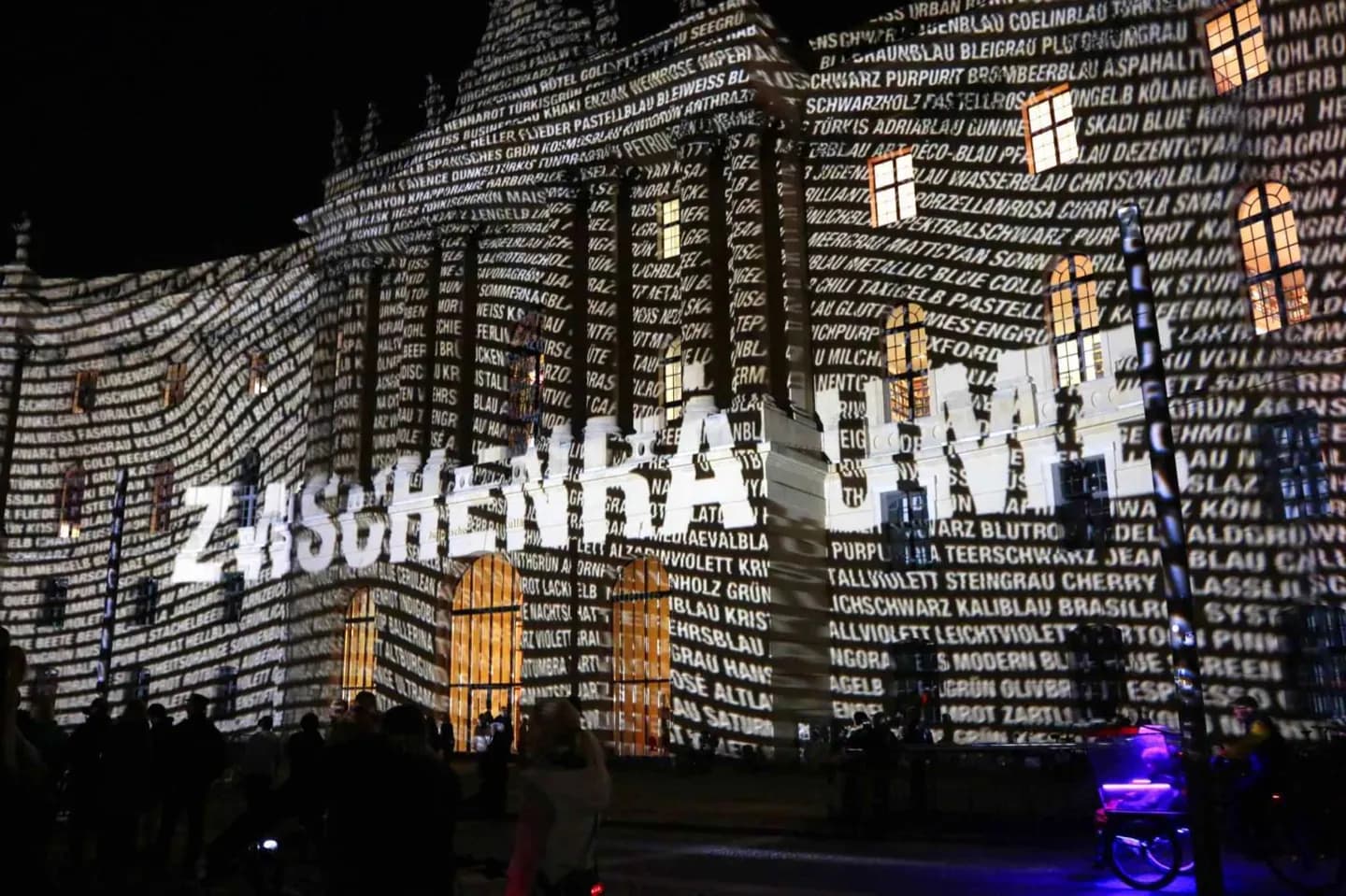
Why go
Read the square as an ensemble with the State Opera, St. Hedwig's Cathedral and Humboldt University buildings. The square is located on the south side of the Unter den Linden boulevard, a major east-west thoroughfare in the city centre. It is bounded to the east by the State Opera building (hence its prewar name), to the west by buildings of Humboldt University, and to the southeast by St.
What to look for
- Look through Micha Ullman's ground-level glass plate into the empty underground library memorial.
- Read the square as an ensemble with the State Opera, St. Hedwig's Cathedral and Humboldt University buildings.
The full story
The square is named after August Bebel, a founder of the Social Democratic Party of Germany in the 19th century. History Early history The square, then called Platz am Opernhaus (i.e. square at the opera house), was laid out between 1741 and 1743 under the rule of King Frederick II of Prussia. On 12 August 1910 it was named Kaiser-Franz-Josef-Platz, in honour of Emperor Francis Joseph I of Austria on the occasion of his 87th birthday. The buildings surrounding the square were largely destroyed in World War II by air raids and the Battle of Berlin. The ensemble was restored in the 1950s and the square renamed on 31 August 1947 as Bebelplatz. Nazi book burning The Bebelplatz is known as the site of one of the infamous Nazi book burning ceremonies held in the evening of 10 May 1933 in many German university cities.
Useful to know
- Visit in daylight for the clearest reading of the architecture and surrounding urban space.
- Combine the stop with nearby sights on foot, allowing extra time only for any separate interior component.