
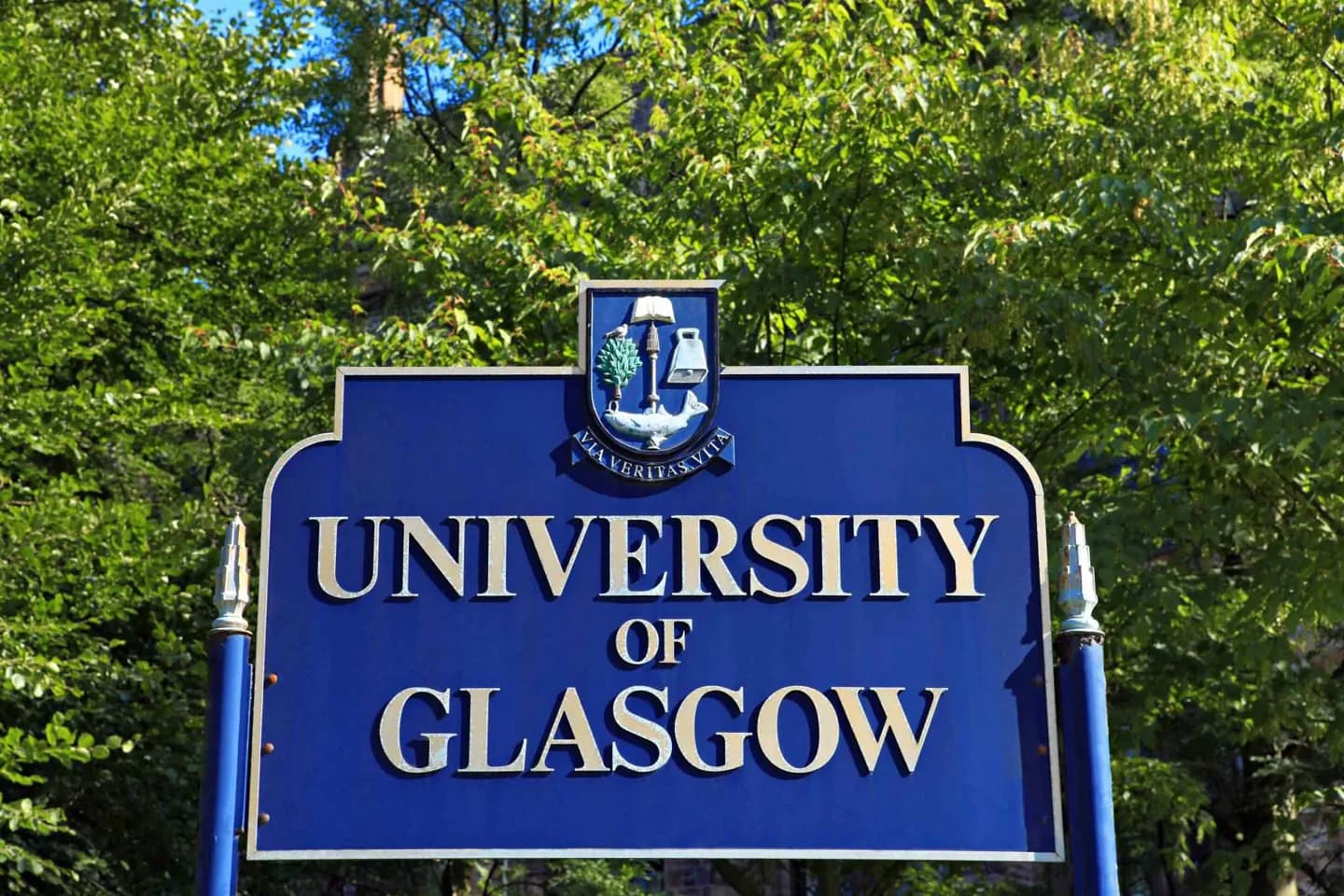
Why go
The university offers one of the West End’s strongest architectural walks. Its move from the High Street to Gilmorehill changed the city’s academic geography, and the current campus still brings history, teaching and museums close together. Walk the main public route, then add the Hunterian if you want collections rather than just exterior views.
What to look for
- Historic university buildings at Gilmorehill.
- The contrast between old stone structures and later campus additions.
The full story
The University of Glasgow was founded in 1451 near the city’s older centre. For centuries its teaching and collections developed around that earlier setting, before the main campus moved west to Gilmorehill in the nineteenth century. That move is still legible in Glasgow: the university’s monumental West End buildings stand apart from the Cathedral and High Street area where its story began. The institution also shaped the city through subjects such as medicine, law, science and engineering as Glasgow grew. On campus, the visitor experience is architectural first, because it remains a working place of study. A self-guided route lets you read the exterior spaces without treating every door as a public entrance. The nearby Hunterian gives the university’s collecting history a more direct public form through its museum and art gallery.
Useful to know
- Follow the university’s self-guided campus route.
- Check separately for guided historical tours or access to individual buildings.
Your next visit
Estimated · Declared scenario and planning estimates; no live opening, weather, queue or booking service.
Outdoor visit · 30–45 min
World planning estimate; admission, opening, visit duration and access need checking.