
Why go
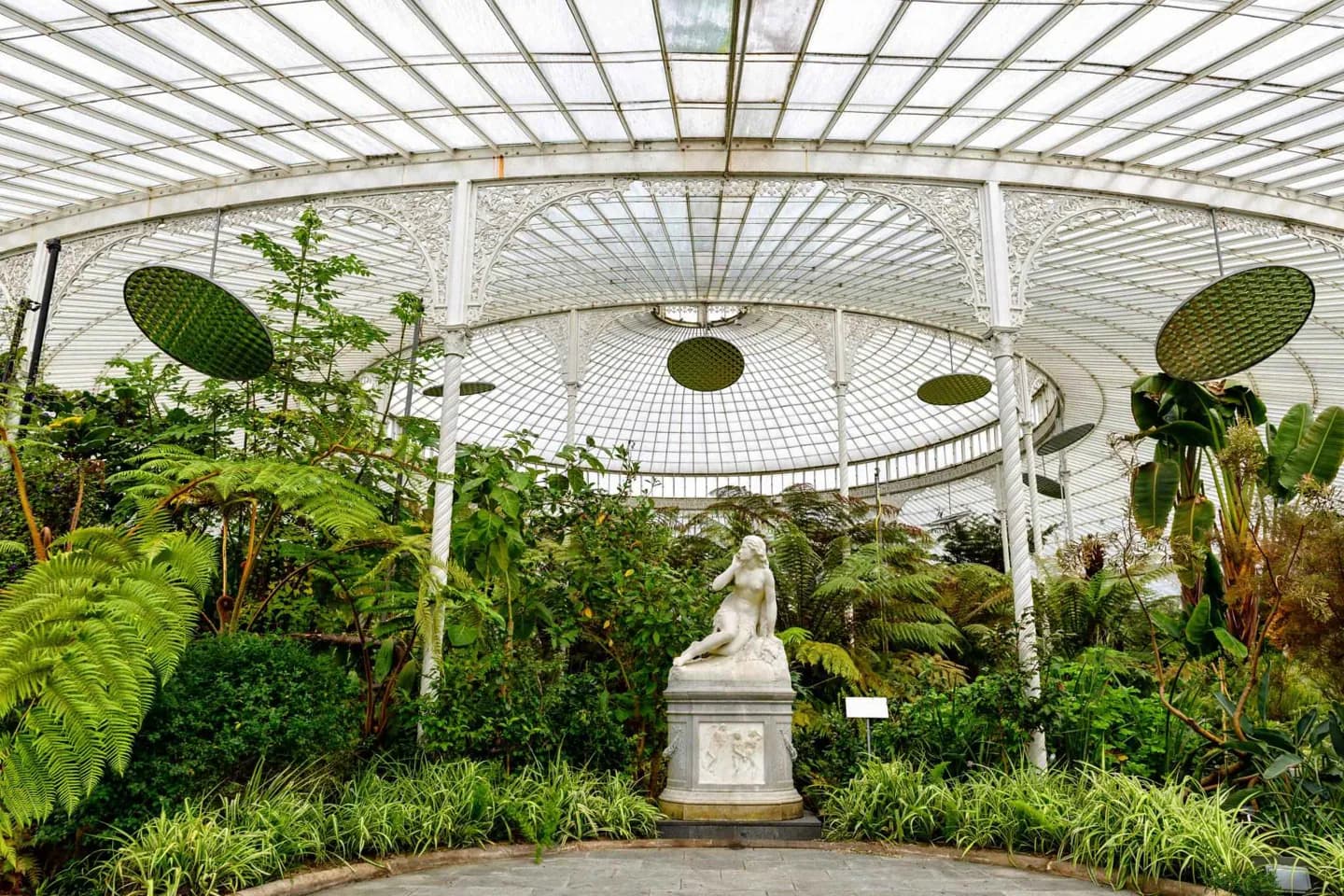
Kibble Palace gives the gardens a strong architectural focus, while the tree collection and paths offer room to wander. Look at the iron frame as closely as the plants: it is part of the site’s nineteenth-century story. The Kelvin Walkway connects the gardens with other West End green spaces if you want to continue on foot.
What to look for
- The curved wrought-iron frame of Kibble Palace.
- Trees along the self-guided garden trail.
- The link from the gardens to the Kelvin Walkway.
The full story
Kibble Palace began as a private glasshouse designed for John Kibble near Loch Long. Its iron components were later brought to Glasgow, and the structure was erected in the Botanic Gardens in the nineteenth century. That move helps explain why the building feels like an attraction in its own right rather than a simple shelter for plants. The glasshouse was taken apart for major restoration in the early twenty-first century and then rebuilt, extending the life of its distinctive ironwork. Outside it, the gardens offer a different experience through trees, paths and the nearby River Kelvin. Spend time looking at both the structure and the planting, then decide whether to stay within the gardens or follow the river corridor towards the rest of the West End.
Useful to know
- Check glasshouse access separately from the outdoor gardens.
- Use the Kelvin Walkway for a longer West End walk.
Your next visit
Estimated · Declared scenario and planning estimates; no live opening, weather, queue or booking service.
Outdoor visit · 30–45 min
World planning estimate; admission, opening, visit duration and access need checking.