
Why go
This day suits visitors who want to connect active geology with Hawaiian ways of understanding the sky and landscape. Begin at Hawaiʻi Volcanoes National Park and follow the areas currently open; trails and overlooks can change with volcanic activity and weather. ʻImiloa Astronomy Center in Hilo provides a valuable interpretive second anchor, linking astronomy and voyaging traditions. Rainbow Falls is a short optional finish close to town. The park alone can fill a day, so drop later stops when closures, crowds or a longer walk demand it. Never plan the route around a promised eruption, and check National Park Service alerts before leaving.
The route, stop by stop
World itinerary estimate: 320–465 min
Times are planning estimates. Unknown visit durations start at an editable 30 minutes; access is checked separately.
- 01
Main stop · 220–240 min
Hawaiʻi Volcanoes National Park
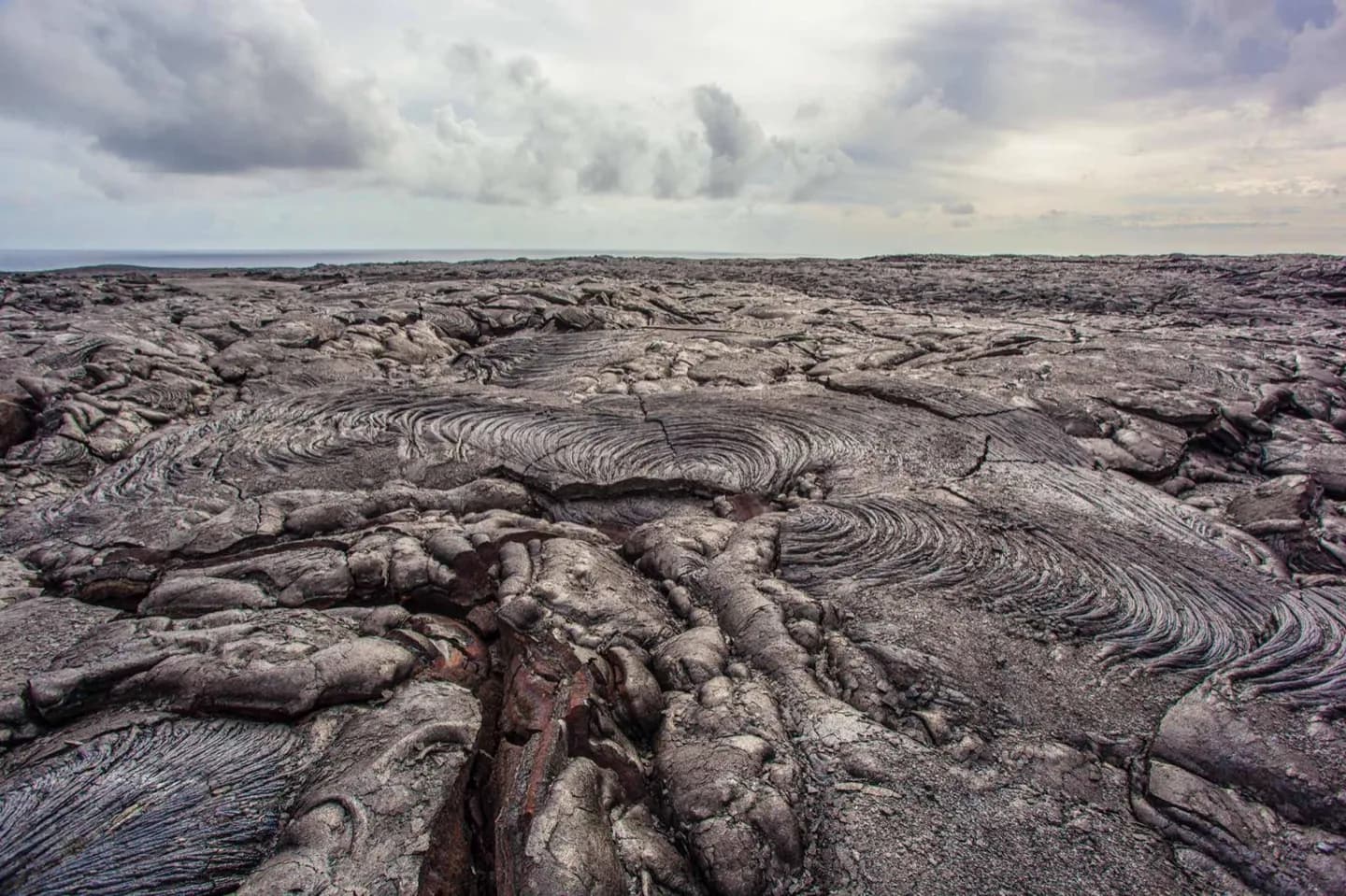
Hawaiʻi Volcanoes National Park protects the landscapes of Kīlauea and Mauna Loa. Crater overlooks, lava terrain and native ecosystems make it the island’s defining geology visit.
Explore Walk · 645 min · Estimated
02Main stop · 80–100 min
Imiloa Astronomy Center of Hawaii
ʻImiloa in Hilo brings Hawaiian voyaging knowledge and modern astronomy into the same museum visit. Exhibits and a planetarium connect island origins with the night sky above Maunakea.
ExploreWalk · 53 min · Estimated
03Main stop · 20–35 min
Rainbow Falls
Rainbow Falls is an easy Hilo overlook onto a waterfall on the Wailuku River. Its broad curtain and lava-framed pool make a quick landscape stop near town.
Explore