
Why go
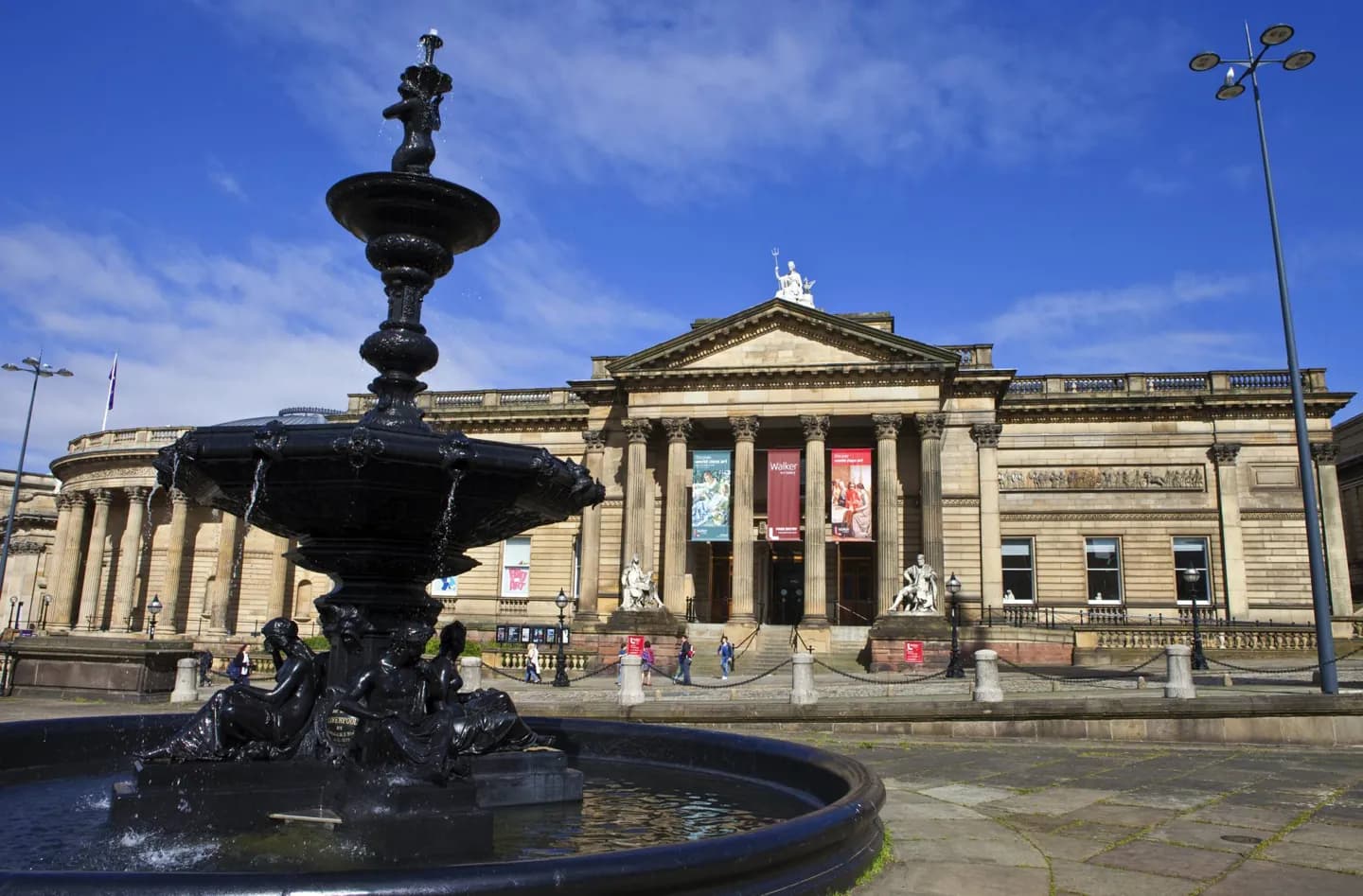
Liverpool's public art collection grew from works assembled by the Royal Institution and later acquisitions by the city. The gallery gives you a reason to enter the William Brown Street cultural cluster instead of only admiring its monumental facades. Leave enough time to follow the collection at your own pace, and check the gallery's current visiting information before setting out.
What to look for
- The gallery sits among the museums and library buildings of William Brown Street.
- Its collection traces roots to paintings acquired by the Liverpool Royal Institution in 1819.
The full story
The roots of the Walker collection reach back to 1819, when the Liverpool Royal Institution acquired paintings from William Roscoe's collection after his banking business failed. Those works did not immediately have the dedicated civic home that visitors see today. The Royal Institution displayed its collection as the city built other holdings. William Brown Library and Museum opened in 1860, giving Liverpool a public cultural centre on the street that still carries Brown's name. The city held its first Liverpool Autumn Exhibition there in 1871, and later bought works for a permanent collection. That history places the Walker among neighbouring public buildings. From the entrance, it is worth looking along William Brown Street before going inside: the neighbouring library and museum make the city's investment in public learning visible in stone.
Useful to know
- Pair the gallery with Central Library or an exterior walk along William Brown Street.
- Check the gallery's own visiting information before fixing the time of your indoor stop.
Your next visit
Estimated · Declared scenario and planning estimates; no live opening, weather, queue or booking service.
Outdoor visit · 30–45 min
World planning estimate; admission, opening, visit duration and access need checking.