
Why go
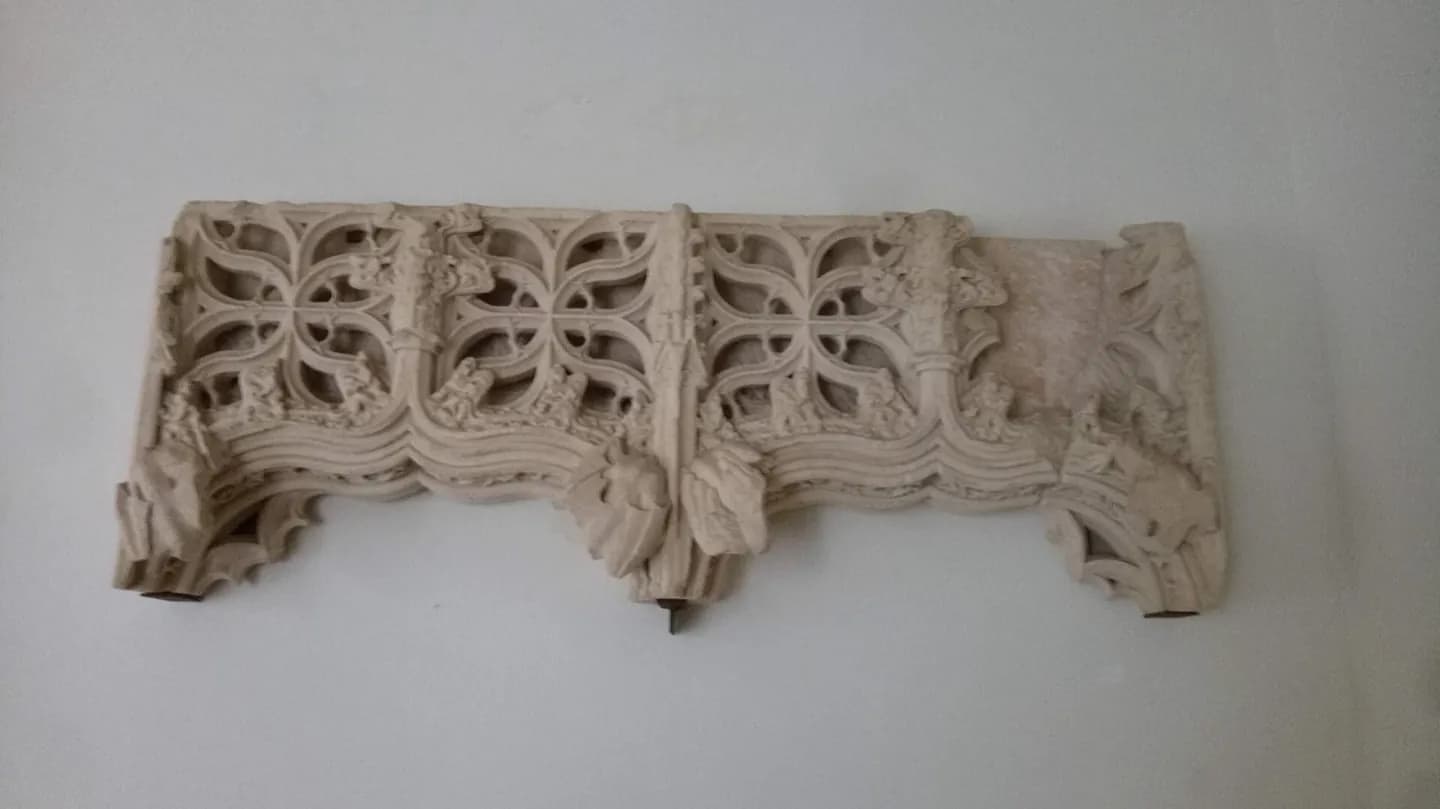
The museum occupies a historic Palma house and brings archaeological finds, medieval panels and later decorative arts into a chronological account of the island. The visit connects Talaiotic and Roman material, medieval art and the building’s courtyard. The reward comes from materials and workmanship seen at close range, with enough time to compare details.
What to look for
- Talaiotic and roman material.
- Medieval art and the building’s courtyard.
The full story
The museum occupies a historic Palma house and brings archaeological finds, medieval panels and later decorative arts into a chronological account of the island. Today, Museum of Mallorca is best understood through Talaiotic and Roman material, medieval art and the building’s courtyard. The wider Museum of Mallorca context is island archaeology and art presented inside a historic Palma mansion. Look closely at surfaces, joints and signs of alteration. These physical details distinguish original work from restoration and later adaptation without requiring specialist knowledge. Stepping back after that close inspection reveals how craftsmanship supports the larger composition and why the surviving material carries more information than a quick overview can provide. Before leaving Museum of Mallorca, set its arrival image—Talaiotic and Roman material—against its closing image: island archaeology and art presented inside a historic Palma mansion.
Useful to know
- Check which galleries are open before committing a long visit.
- Use it to add context before archaeological day trips.
Your next visit
Estimated · Declared scenario and planning estimates; no live opening, weather, queue or booking service.
Indoor visit · 45–90 min
World planning estimate; admission, opening, visit duration and access need checking.