
Why go
The square is more like a broad rising street than a compact plaza. Its axis gives you a clear view to the museum, while the Saint Wenceslas statue marks a place tied to declarations, protest and remembrance. Walking its length shows how everyday shops and major national events share the same urban space.
What to look for
- The National Museum closes the uphill view along the square.
- Josef Václav Myslbek's equestrian Saint Wenceslas stands near the museum.
- The long boulevard shape still hints at the former horse market.
The full story
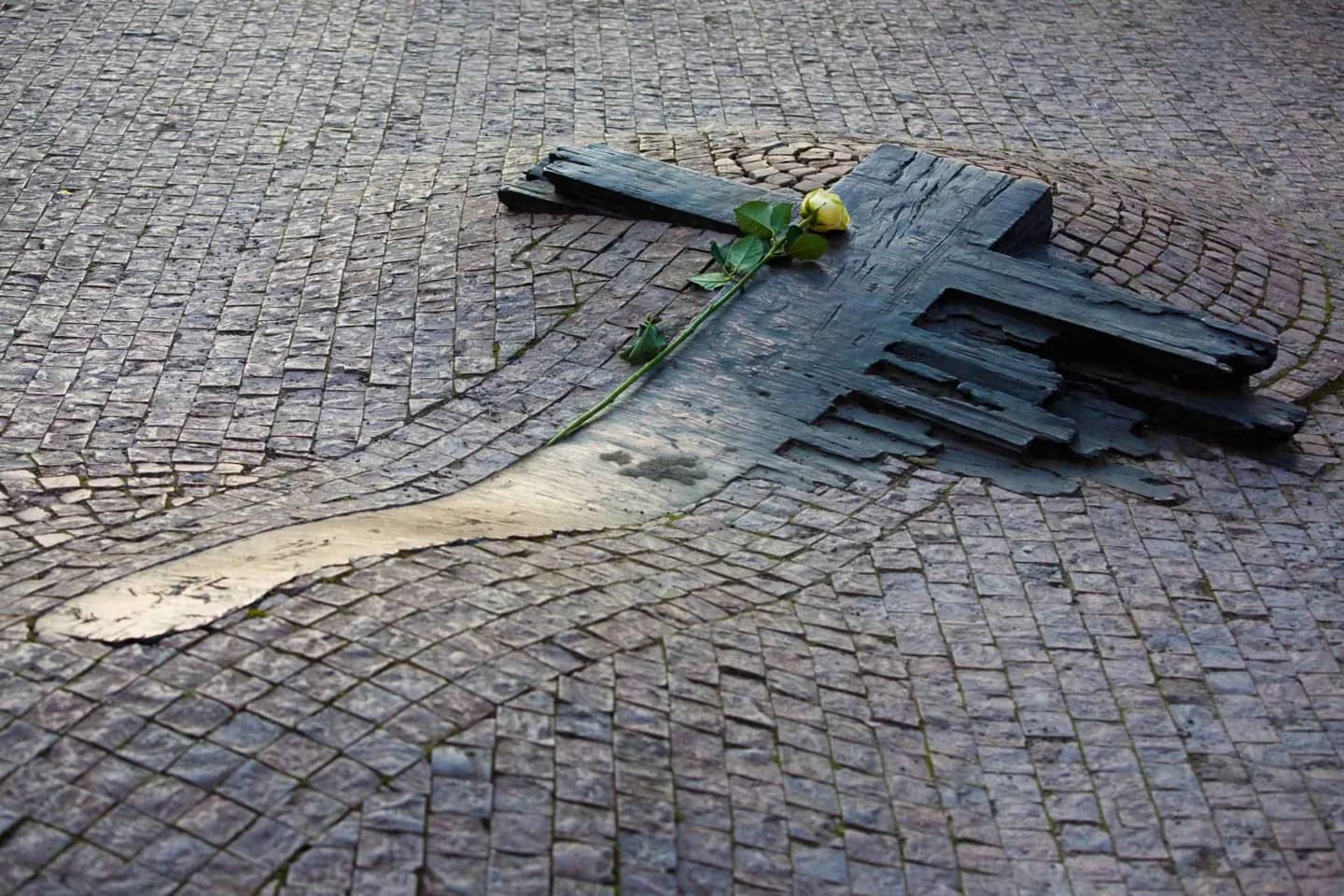
Charles IV laid out this space as a horse market when he founded New Town in the fourteenth century. Its later name honors Saint Wenceslas, whose equestrian statue now anchors the upper end. The boulevard became a place where Prague's public history unfolded. The declaration of Czechoslovak independence was read near the statue in 1918; decades later, Jan Palach protested the Soviet-led invasion by setting himself on fire here. Wenceslas Square also became a focus of the demonstrations of 1989. These events do not turn every storefront into a monument, but they explain why the open axis toward the National Museum carries weight beyond shopping and traffic. The museum and statue at the high end are useful bearings, but the history belongs to the whole length of this public street.
Useful to know
- Walk uphill toward the museum to keep the main view ahead of you.
- Pause by the Wenceslas statue before entering the museum or continuing into New Town.
Your next visit
Estimated · Declared scenario and planning estimates; no live opening, weather, queue or booking service.
Outdoor visit · 15–25 min
World planning estimate; admission, opening, visit duration and access need checking.